Fundada en 1992, RIBUS Inc. es una empresa fabricante que suministra ingredientes naturales, orgánicos y de origen vegetal.
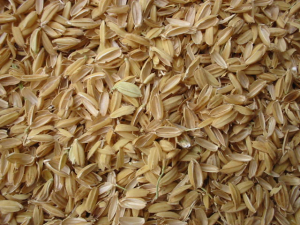 Mediante una tecnología de procesamiento patentada, RIBUS aprovecha los subproductos del arroz que se generan durante la molienda, específicamente la cascarilla que queda cuando el arroz integral se refina para convertirlo en arroz blanco, y los transforma en ingredientes funcionales de alto valor. En lugar de tratar la cascarilla como un residuo, RIBUS la muele y refina hasta convertirla en polvos finos, creando mezclas similares a la proteína que los fabricantes pueden usar para mejorar el desempeño de sus productos, manteniendo al mismo tiempo recetas limpias y transparentes.
Como ocurre en muchas operaciones con granos y semillas, su proceso genera polvo orgánico fino, especialmente durante el transporte neumático, la molienda y los puntos de transferencia. Este polvo incluye cascarilla de arroz liviana que puede permanecer suspendida en el aire si no se controlan adecuadamente, generando tanto problemas operativos como riesgos de seguridad por polvo combustible.
RIBUS se acercó inicialmente a Baghouse.com con una necesidad muy específica: estaban buscando un colector de polvo para su proceso. Lo que comenzó como un solo equipo evolucionó rápidamente conforme avanzó el proyecto. A medida que trabajábamos con su equipo, se dieron cuenta de que entendíamos su proceso, hacíamos las preguntas correctas y podíamos diseñar soluciones que otras compañías simplemente no estaban contemplando.
Después de que el primer colector de polvo ya estaba en marcha, comenzaron a pedir apoyo más allá de la colección de polvo… primero en transporte neumático, donde finalmente diseñamos y suministramos tres sistemas distintos. A partir de ahí, el alcance siguió creciendo. RIBUS nos pidió diseñar y suministrar dos silos de almacenamiento, seguidos por una estación de descarga que permite a los operadores descargar material al proceso de forma segura y eficiente. Durante todo el proyecto, también recurrieron a nosotros de manera constante para recibir orientación de ingeniería, incluso cuestionando recomendaciones hechas por otras firmas de ingeniería.
En un caso, otra compañía les recomendó usar silos ligeros más apropiados para astillas de madera, no para aplicaciones de grado alimenticio. Nosotros les explicamos por qué esos diseños no eran adecuados para su producto ni para su proceso, propusimos la solución correcta para una aplicación alimentaria y siguieron nuestra recomendación. Al final del proyecto, casi la mitad del equipo principal del proceso en la planta —colectores de polvo, ventiladores, ductos, sistemas de transporte neumático, válvulas rotativas, silos y componentes relacionados— había sido diseñado y suministrado por Baghouse.com.
Alcance del proyecto
El alcance del trabajo incluyó evaluar los puntos de generación de polvo a lo largo del proceso de molienda y transporte, diseñar un sistema de colección de polvo correctamente dimensionado e integrar silos de almacenamiento a granel para la cascarilla de arroz recolectada.
Los elementos principales del alcance incluyeron:
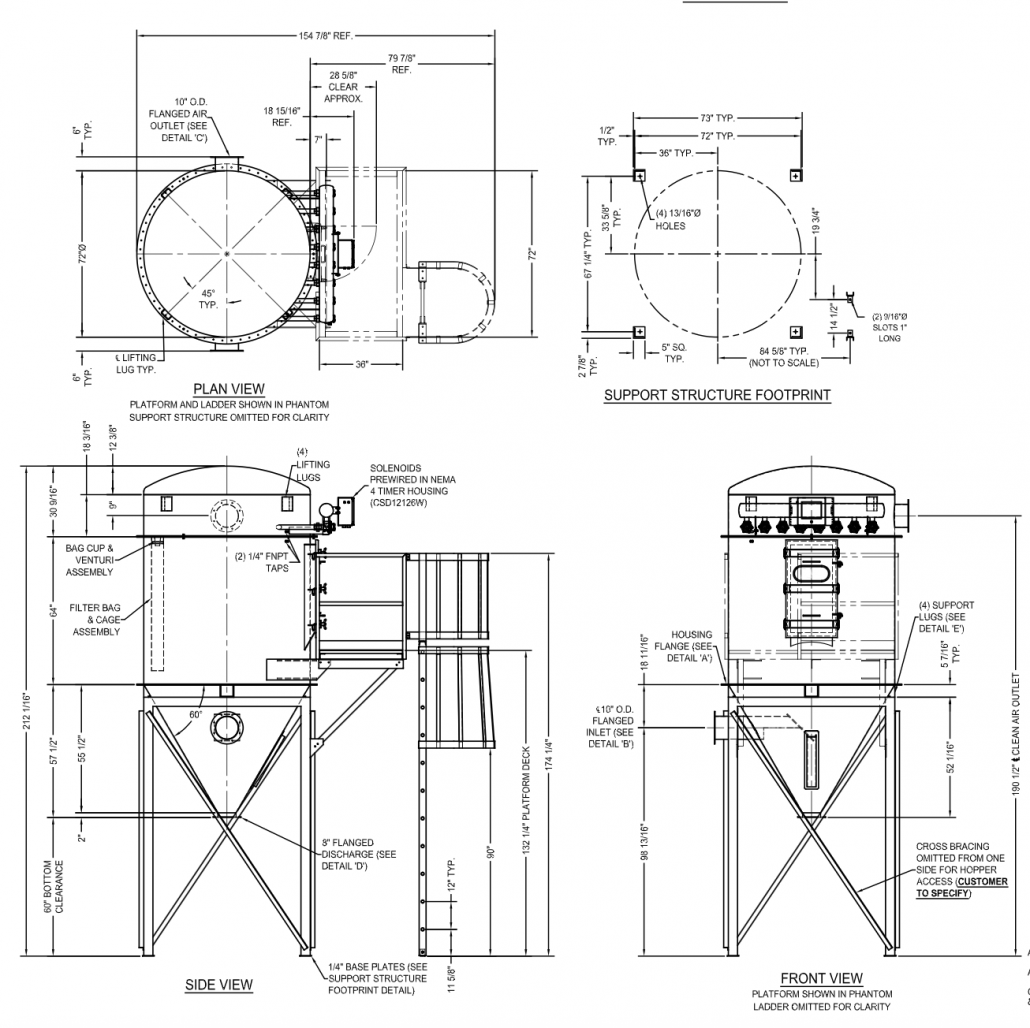
- • Un colector de polvo tipo filter receiver dimensionado para 4,200 ACFM
- • Consideraciones de seguridad por polvo combustible conforme a los lineamientos de NFPA
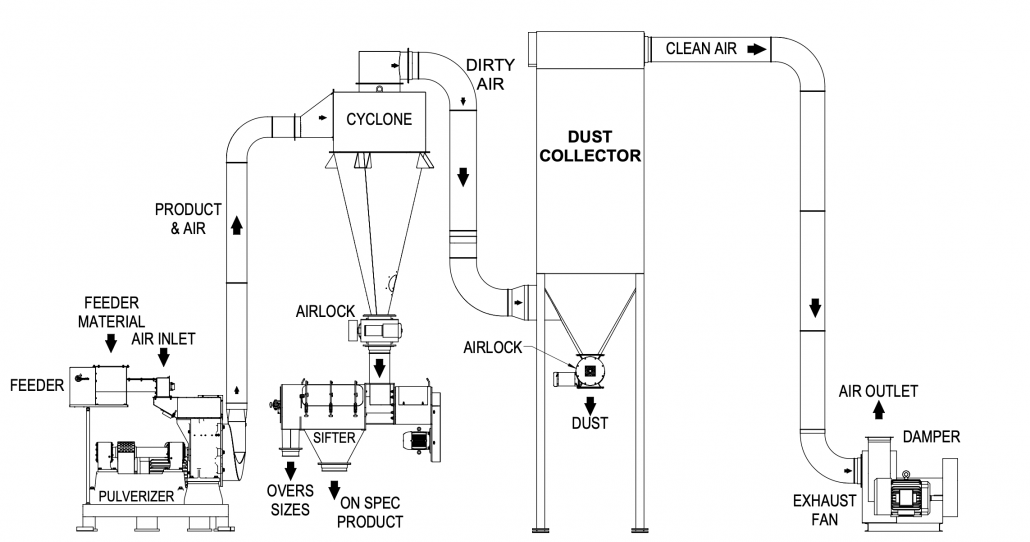
- • Integración con equipos de transporte y separación ciclónica
- • Diseño y suministro de dos silos de almacenamiento de cascarilla de arroz montados a nivel de piso
- • Coordinación con un proyecto de transporte ya existente para agilizar la fabricación y el envío
Durante el desarrollo del proyecto, se hicieron ajustes al diseño con base en la retroalimentación del equipo de RIBUS y en los primeros diseños de referencia. Estos refinamientos permitieron eliminar componentes innecesarios, como una válvula rotativa y un ciclón sobredimensionado, lo que se tradujo tanto en ahorro de costos como en una distribución más limpia y eficiente.
Solución
Sistema de colección de polvo
El sistema de colección de polvo se construyó alrededor de un filter receiver diseñado específicamente para aplicaciones de molienda de arroz. El sistema fue diseñado para 4,200 ACFM a 75°F, con un área total de filtración de 1,840 pies cuadrados, lo que dio como resultado una relación aire-tela conservadora de 2.28:1. Este enfoque de diseño favorece una caída de presión estable, mayor vida útil de los filtros y un desempeño consistente ante cargas de polvo variables.
El colector utilizó 80 elementos filtrantes plisados de carga inferior, lo que permite realizar mantenimiento de manera segura y eficiente sin necesidad de acceso superior. Las velocidades internas se controlaron cuidadosamente, con una velocidad de transporte de 110 FPM y una velocidad intersticial de 196 FPM, reduciendo el riesgo de que el polvo vuelva al filtro mientras se mantiene una captura efectiva de las partículas finas de cascarilla de arroz.
Las características del polvo, incluyendo bajo contenido de humedad, comportamiento de flujo libre y abrasividad moderada, se tomaron en cuenta para la selección de materiales y la geometría interna. También se evaluó un recubrimiento resistente a la abrasión y se mantuvo como opción dependiendo de las expectativas de desgaste a largo plazo.
Silos de almacenamiento de cascarilla de arroz
Para complementar el sistema de colección de polvo, y cumplir completamente con la NFPA, se diseñaron y suministraron dos silos de almacenamiento a granel de la cascarilla de arroz recolectada. Cada silo ofrece 1,500 pies cúbicos de volumen, lo que permitió a RIBUS manejar la acumulación de material de manera eficiente sin interrupciones frecuentes por manejo de producto.
Los silos se fabricaron en acero al carbón soldado calibre 10 y se diseñaron con un diámetro nominal de 12 pies y una pared recta de 14 pies, soportados por una estructura de acero soldada. Se seleccionó un ángulo de tolva de 60 grados para favorecer una descarga confiable del material liviano de cascarilla de arroz.
La seguridad por polvo combustible fue una consideración clave del diseño. Cada silo incluye:
- • Seis paneles de alivio de explosión (40” x 40”) calibrados a 1.0 PSIG
- • Una válvula combinada de alivio de presión/vacío
- • Geometría de venteo adecuada para mantener el cumplimiento con NFPA
- • Acceso a nivel de piso y espaciamiento estructural diseñados para cumplir con los requisitos de venteo de explosión
Entre las características adicionales se incluyeron acceso superior, soportes integrados para líneas de transporte, sensores de nivel alto y bajo, y conexiones bridadas para acoplarse directamente con el ciclón y con el equipo de transporte. Los silos se terminaron con un sistema de recubrimiento industrial adecuado para servicio en exteriores y se enviaron con andamios de apoyo para facilitar su colocación en sitio.
Desafíos durante la instalación
Como sucede en muchas instalaciones agrícolas, la instalación requirió una coordinación estrecha entre el diseño mecánico y las condiciones reales del sitio. Se hicieron ajustes en campo para adaptarse a restricciones estructurales, acceso al equipo y rutas de conexiones de transporte y venteo.
En la instalación de los silos, se tuvieron que considerar aspectos como la coordinación de cimentaciones, la altura de descarga y la alineación con la infraestructura de transporte existente. Aunque los anclajes al concreto, el grout y las revisiones estructurales finales fueron realizados por otros, el diseño de los silos tomó en cuenta estas interfaces desde el inicio para minimizar sorpresas durante la instalación.
Al alinear el calendario de fabricación de los silos con el proyecto de transporte ya existente, se consolidaron los envíos del equipo, reduciendo tiempos de entrega y simplificando la logística para el cliente.
Resultados y conclusión
El sistema terminado le dio a RIBUS una solución integrada que resolvió tanto el control de polvo como el almacenamiento de material a granel dentro de un solo sistema coherente. El equipo de colección de polvo proporcionó un flujo de aire confiable, filtración eficiente y condiciones de operación estables, mientras que los silos de almacenamiento le dieron a RIBUS una forma segura y conforme a normativa para manejar los subproductos de cascarilla de arroz sin interrumpir la producción.
Desde el punto de vista operativo, la combinación de un diseño de filtración conservador, manejo de material asistido por gravedad y capacidad de almacenamiento a granel redujo las necesidades de mantenimiento y mejoró la limpieza general de la planta. Desde el punto de vista de seguridad, la protección contra explosión conforme a NFPA se integró tanto en la parte de colección de polvo como en la parte de almacenamiento del sistema.
Este proyecto resalta un principio importante en el control de polvo en la industria agrícola: las soluciones efectivas van más allá de capturar el polvo en su punto de origen. Cuando la colección de polvo, la separación, el transporte y el almacenamiento se diseñan como un solo sistema, las instalaciones logran operaciones más seguras, mayor confiabilidad y sistemas que siguen funcionando bien a medida que la producción crece.