Cuando ocurren eventos como este, es importante no sacar conclusiones antes de que los investigadores completen su trabajo. Sin embargo, incluso sin conocer la causa exacta, incidentes como este refuerzan algunas verdades fundamentales sobre la seguridad relacionada con el polvo combustible en aserraderos, talleres de carpintería, plantas de pellets y otras operaciones de trabajo con madera. Bajo las condiciones adecuadas, el polvo de madera puede alimentar incendios, deflagraciones y explosiones.
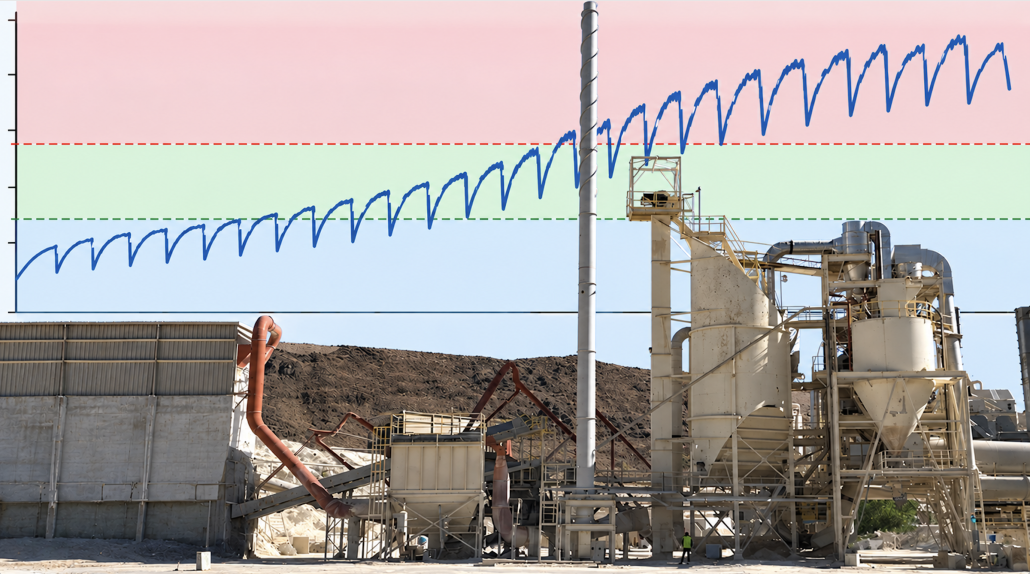
En las instalaciones donde se corta, lija, cepilla, tritura o manipula fibra de madera seca, el polvo puede acumularse en equipos de proceso, silos, transportadores, tolvas, ductos y superficies del edificio. Si se inicia un incendio y existe suficiente acumulación de polvo, la situación puede agravarse rápidamente. Esa es una de las razones por las que la limpieza industrial es tan importante. Un buen programa de limpieza elimina el combustible que puede permitir que un pequeño incendio se convierta en un incidente mucho más grave.
Leé nuestro artículo: Preguntas frecuentes sobre el control de polvo en la industria de la madera.
Otra lección importante es que los procesos deben aislarse lo más rápido posible una vez que se detecta un incendio, siempre que hacerlo sea seguro y esté alineado con los procedimientos de emergencia de la instalación. Mantener el flujo de material puede seguir alimentando el incendio, transportar material en combustión hacia equipos conectados o dificultar el aislamiento del problema. En los sistemas de manejo de polvo de madera, esto puede marcar la diferencia entre un incendio contenido y un evento que se propaga a múltiples áreas de la operación.

What is a Dust Explosion and How Does It Begin?
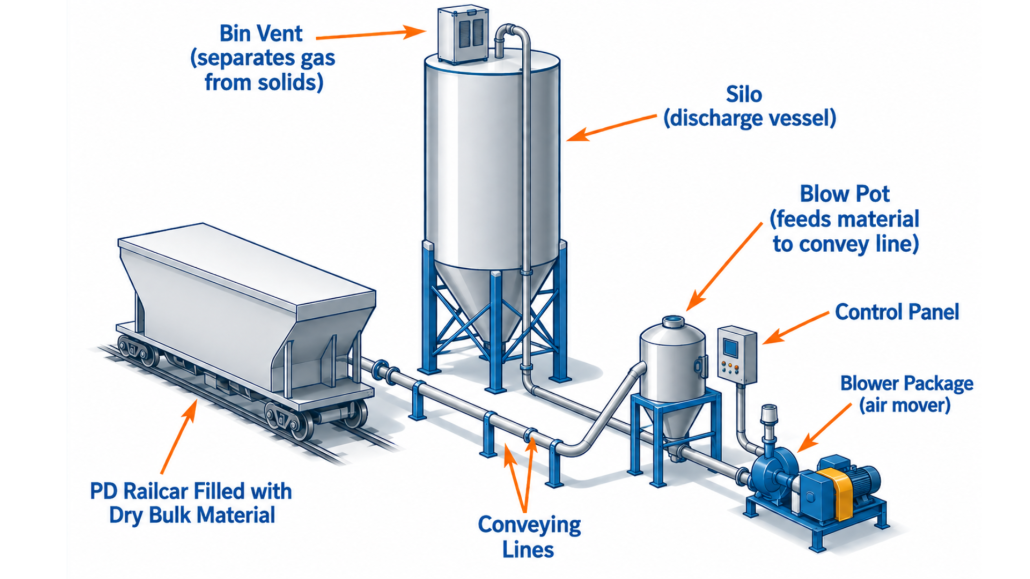
Aquí es donde el diseño del sistema y los equipos de protección adquieren una importancia crítica. En muchas aplicaciones relacionadas con la madera, la protección contra incendios no siempre es un requisito explícito en cada parte del sistema, pero eso no significa que carezca de valor. Los sistemas de detección de chispas, sistemas de extinción, compuertas de desvío (abort gates), sistemas de rociadores y otras medidas de protección pueden ser inversiones muy valiosas, especialmente cuando los colectores de polvo, silos o sistemas de transporte neumático manejan polvo combustible seco. Las protecciones adecuadas dependerán del proceso, del equipo y de los resultados de una evaluación adecuada de riesgos.
La protección y prevención de explosiones también deben abordarse cuando un Análisis de Riesgo de Polvo (DHA) identifica un peligro de explosión. Un DHA es el proceso utilizado para evaluar dónde existe polvo combustible, cómo puede dispersarse e incendiarse y qué medidas de protección son necesarias. En carpinterías y aserraderos, esto puede incluir venteo de explosiones, aislamiento de explosiones, detección de chispas, sistemas de extinción y otras medidas según la aplicación. Si existe un riesgo, debe abordarse antes de que un incidente obligue a hacerlo.
Leé nuestro artículo: ¿Qué es un Análisis de Riesgo de Polvo (DHA) y por qué es importante para los sistemas de control de polvo?
Para los gerentes de planta, equipos de mantenimiento y profesionales de EHS (Medio Ambiente, Salud y Seguridad), este es un buen momento para plantearse algunas preguntas básicas:
⦿ ¿Están los sistemas que generan polvo conectados de manera que un incendio podría propagarse entre ellos?
⦿ ¿Están manteniendo el ritmo de la producción las prácticas de limpieza industrial?
⦿ ¿Son claros y realistas los procedimientos de parada de emergencia?
⦿ ¿Han sido evaluados en cuanto a riesgos de polvo combustible los colectores de polvo, silos y equipos de proceso?
⦿ Y si ya se realizó un DHA, ¿se implementaron realmente todas sus recomendaciones?
Los eventos trágicos como el ocurrido en Maine afectan a las familias, compañeros de trabajo, socorristas y comunidades enteras. También recuerdan al resto de la industria que la seguridad relacionada con el polvo combustible nunca debe tomarse a la ligera. Los riesgos asociados al polvo de madera pueden gestionarse, pero solo cuando las instalaciones los toman en serio e incorporan la prevención, la protección y la planificación de respuesta a emergencias en sus operaciones diarias.
En estos momentos, recordamos a la familia del bombero Andrew Cross, a los socorristas heridos y a todas las personas afectadas por este incidente.

Experto en colectores de polvo, redactor técnico y editor en Baghouse.com
Andy Biancotti está convencido de que el conocimiento es una de las mejores inversiones para una empresa. Como Editor y Gerente de Marketing en Baghouse.com, disfruta entrevistar a ingenieros, técnicos y clientes para capturar las lecciones aprendidas en proyectos reales de control de polvo y convertirlas en recursos prácticos que ayuden a otros profesionales. Con más de dos décadas de experiencia en mantenimiento industrial, operaciones y comunicación técnica, su objetivo es simple: ayudar a las personas para que puedan operar de forma más segura, inteligente y eficiente.