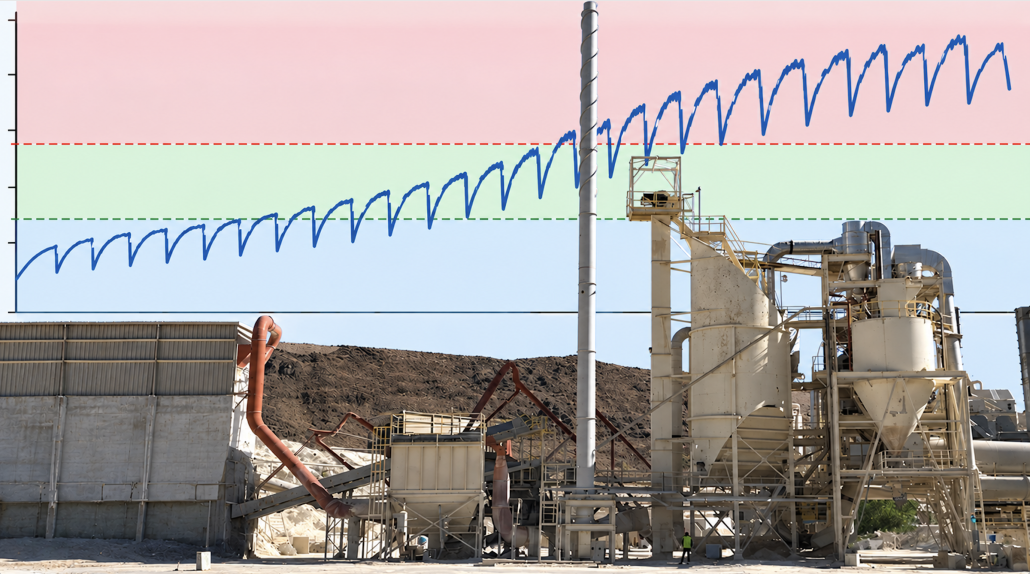
 Cuando un colector de polvo deja de funcionar bien en acerías, fundiciones de aluminio, fundiciones de metales, operaciones de reciclaje y otras industrias de manufactura metalúrgica, el problema generalmente se manifiesta primero en otras áreas: zonas de trabajo con humo, aumento de la presión diferencial, menor vida útil de los filtros, descarga de tolvas sobrecargadas, problemas constantes de mantenimiento y operadores frustrados.
Por eso, el control de polvo en la industria metalúrgica debe verse como una parte integral del proceso productivo. En muchas de estas instalaciones, los cambios en producción suelen ser la prioridad. Se incrementa la potencia de un horno, se reducen los tiempos de fusión, se aumenta el amperaje, se agregan nuevos quemadores o se incrementa la capacidad de producción. Sin embargo, se espera que el colector de polvo siga funcionando como si nada hubiera cambiado. Esa desconexión es donde comienzan muchos problemas.
 En la producción de acero, especialmente alrededor de los Hornos de Arco Eléctrico (EAF) y los Hornos de Metalurgia en Cuchara (LMF), el polvo y los humos son una consecuencia normal del proceso de fusión. Una regla práctica útil es que entre el 1 % y el 3 % del acero fundido termina convirtiéndose en polvo. Eso puede representar aproximadamente entre 10 y 30 kilos de polvo por cada tonelada de acero producida. Cuando se analiza la producción desde esta perspectiva, resulta evidente lo rápido que un colector puede superar las condiciones para las que fue diseñado originalmente.
Un colector se diseña considerando principalmente dos factores: el volumen de gas y la carga de polvo. El volumen de gas está relacionado con el balance térmico del horno, mientras que la carga de polvo se refiere a la cantidad de partículas transportadas por cada pie cúbico de aire. Si un cambio en el proceso incrementa la carga de polvo, el colector ahora debe manejar más partículas sin contar necesariamente con más área de filtración, mayor capacidad del ventilador o mayor capacidad de descarga.
Cuando esto sucede, los equipos de planta suelen observar los mismos síntomas: Aumento de la presión diferencial. Incremento en el consumo energético del motor del ventilador. Menor succión en el horno. Áreas de trabajo más polvorientas y con más humo. Reducción del flujo de aire. Desgaste acelerado de los filtros. Sobrecarga de los sistemas de descarga de polvo de las tolvas. Ninguno de estos problemas ocurre de manera aislada; todos están relacionados entre sí.
Quemadores de oxígeno
Muchos productores de acero han instalado quemadores de oxígeno en sus hornos de arco eléctrico para aumentar la producción. La lógica es simple: más calor y tiempos de fusión más cortos significan una mayor producción. Sin embargo, desde el punto de vista del colector de polvo, esto también significa que la misma cantidad de polvo se genera en menos tiempo. Esto incrementa la carga de polvo y puede llevar al colector a operar por encima de las condiciones para las que fue diseñado originalmente.

Generar más calor y reducir los tiempos de fusión significa producir más polvo en menos tiempo.
Paneles y ductos enfriados por agua
Cada vez es más común utilizar paneles y ductos enfriados por agua en lugar de revestimientos refractarios en los sistemas de evacuación de humos de los hornos. Esto permite realizar coladas más grandes porque se dispone de más espacio para la carga. Sin embargo, las coladas más grandes generan más humos y pueden sobrecargar el colector.
También introducen otro riesgo operativo: las fugas. Cuando el agua se filtra hacia los paneles o ductos, puede formarse una capa húmeda de polvo sobre los filtros. Esto incrementa la presión diferencial y obliga al sistema de limpieza a trabajar con mayor frecuencia. El calor y la humedad pueden provocar hidrólisis en los filtros de poliéster y debilitar los filtros. Además, el polvo puede acumularse en el ventilador, provocando vibraciones y mantenimiento más frecuente. Desde el punto de vista del mantenimiento, este es uno de esos problemas que parece estar relacionado con los filtros... pero en realidad se trata de un problema de proceso y humedad.
Procesos de escoria espumosa
Los procesos de escoria espumosa utilizan coque fino u otras fuentes de carbono para crear una capa de escoria sobre el baño metálico y conservar el calor del horno. Desde el punto de vista de la producción, puede ser una estrategia muy efectiva. Sin embargo, desde el punto de vista del control de polvo, la ubicación de la inyección es fundamental. Si este material se inyecta demasiado cerca del sistema de extracción de aire, la carga de polvo puede aumentar y partículas de coque sin quemar pueden ser arrastradas hacia el colector. Esto no solo genera un problema de carga de polvo, sino también un riesgo de incendio. Lo ideal es que la inyección se realice en el lado opuesto a la campana de absorción de aire.
Aumento del tamaño del transformador
Los transformadores más grandes permiten fundir más rápido al suministrar más energía eléctrica al horno. Al igual que sucede con los quemadores de oxígeno, una fusión más rápida implica generar más polvo en menos tiempo. El colector puede seguir funcionando físicamente, pero quizás ya no tenga la capacidad adecuada para las condiciones reales de operación.

Los filtros para colectores se utilizan en una enorme variedad de industrias y aplicaciones.
En aplicaciones EAF y LMF, la selección del filtro tiene un impacto directo en su vida útil, el desempeño del colector y el cumplimiento de los límites de emisiones. Este no es el lugar para elegir un filtro genérico. Las características del material particulado pueden variar significativamente según el proceso y el filtro debe resistir las condiciones reales de operación.
Para los colectores de las acerías, el medio filtrante debe cumplir varios requisitos específicos: resistir chispas, resistir la hidrólisis cuando existe presencia de humedad, tener buena resistencia a la abrasión, capturar eficazmente partículas finas y soportar ciclos repetidos de limpieza sin perder integridad. Además, debe mantener el cumplimiento de emisiones a largo plazo, no solo cuando los filtros son nuevos.
Aquí es donde muchas plantas metalúrgicas pierden dinero sin darse cuenta. Un filtro puede estar funcionando técnicamente, pero seguir siendo una mala elección si se desgasta prematuramente, se ciega o obliga al sistema de limpieza a trabajar más de lo necesario.

Filtros y tratamientos - Infográfico
Descarga gratis este infográfico: Filtros y Tratamientos Explicados
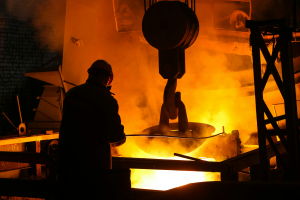 En la producción de aluminio, uno de los principales factores para aumentar la producción es incrementar el amperaje de las cubas electrolíticas. Esto suele ser una de las formas más económicas de aumentar la capacidad productiva, especialmente en fundiciones antiguas donde el espacio físico es limitado y las grandes inversiones de capital son difíciles de justificar.
Pero aumentar el amperaje no solo afecta la producción de metal. También incrementa el volumen de gas, la temperatura del gas y las emisiones de fluoruro de hidrógeno (HF). El mayor volumen y temperatura del gas introducen más humedad y aire de dilución al sistema de depuración. Además, el HF adicional reacciona con el electrolito enriquecido con flúor ya presente en el proceso. En otras palabras, el depurador ahora debe manejar simultáneamente más gas, más calor y una mayor demanda química.
La solución para aumentar la capacidad del colector

Invertir en filtros plisados puede darte una menor presión diferencial, mejor eficiencia de filtración y una vida útil más larga.
Los filtros plisados ofrecen aproximadamente el doble de área de filtración que los filtros convencionales dentro del mismo espacio. Esto reduce la relación aire-tela, disminuye la resistencia al flujo de aire y puede extender significativamente la vida útil de los filtros. En muchas instalaciones, los filtros plisados han alcanzado vidas útiles de entre 18 y más de 55 meses.
Esto es importante porque, en una fundición de aluminio, el objetivo es mantener un desempeño estable incluso cuando las condiciones operativas cambian. Los filtros plisados permiten aumentar el área de filtración sin necesidad de ampliar físicamente el colector.
No todas las instalaciones metalúrgicas son una acería o una fundición de aluminio, pero muchos de los principios son los mismos. Las fundiciones, talleres metalmecánicos, plantas de reciclaje, operaciones de soldadura y esmerilado, e incluso laboratorios de impresión 3D que trabajan con polvos metálicos generan partículas que pueden causar problemas graves si no se capturan y controlan adecuadamente.

Un sistema de colección de polvo correctamente diseñado, operado y mantenido es la mejor defensa contra los riesgos del polvo combustible en tu planta.
Un sistema de control de polvo correctamente diseñado, operado y mantenido es la principal defensa contra los riesgos asociados al polvo combustible. En estos entornos, el sistema debe hacer mucho más que eliminar polvo molesto. Puede ser necesario controlar los polvos conductivos, polvos combustibles, humos tóxicos, chispas y partículas ultrafinas que permanecen suspendidas y llegan a las zonas de respiración de los trabajadores. A diferencia de los colectores convencionales, los sistemas para polvo metálico suelen requerir protecciones específicas para la aplicación, como: arrestadores de chispas, válvulas de aislamiento contra explosiones,y filtros antiestáticos.

Experto en colectores de polvo, redactor técnico y editor en Baghouse.com
Andy Biancotti está convencido de que el conocimiento es una de las mejores inversiones para una empresa. Como Editor y Gerente de Marketing en Baghouse.com, disfruta entrevistar a ingenieros, técnicos y clientes para capturar las lecciones aprendidas en proyectos reales de control de polvo y convertirlas en recursos prácticos que ayuden a otros profesionales. Con más de dos décadas de experiencia en mantenimiento industrial, operaciones y comunicación técnica, su objetivo es simple: ayudar a las personas para que puedan operar de forma más segura, inteligente y eficiente.