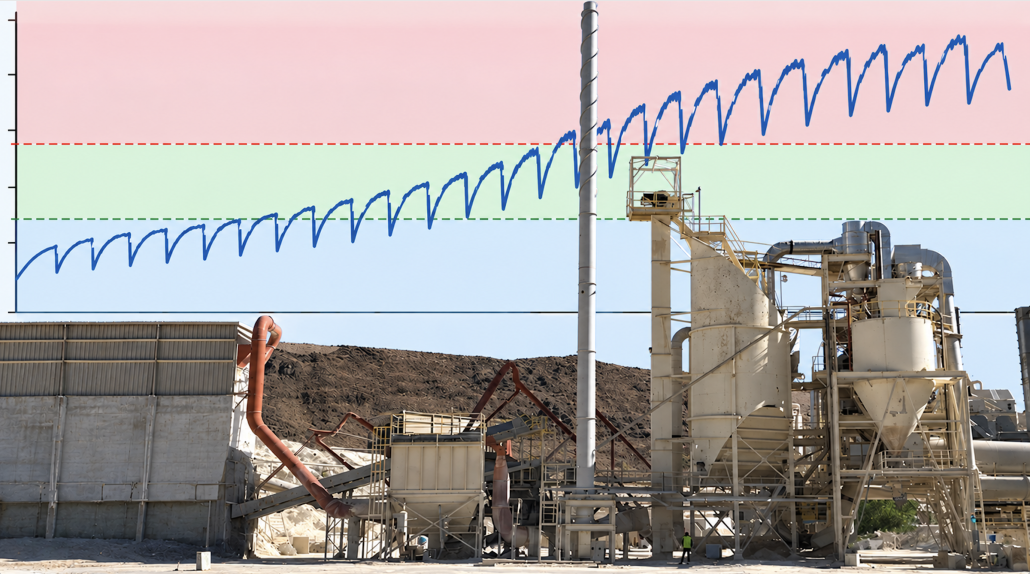
When plants talk about dust collection direct and indirect costs, the conversation usually starts with the obvious numbers: filtros, válvulas, aire comprimido y quizá el motor del ventilador. Esos son costos reales, pero solo representan una parte del panorama.
En la práctica, el mayor costo de un colector de polvo muchas veces no es lo que se gasta directamente en el colector mismo. Es el efecto que ese colector tiene sobre el resto de la operación cuando no está funcionando bien.

Esa es la diferencia entre los costos directos y los costos indirectos. Si solo se pone atención al primer grupo, es muy fácil tomar decisiones que en papel parecen económicas, pero que terminan costando mucho más en producción, mantenimiento y cumplimiento normativo.
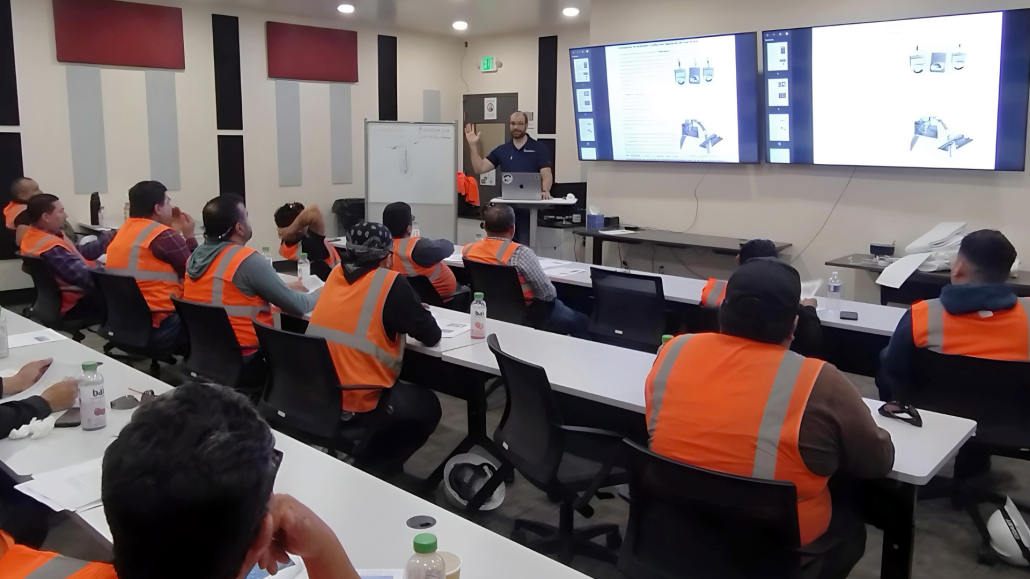
As Dominick Dal Santo, Sales Director of Baghouse.com, often explains, “El costo real de un sistema de colección de polvo debe medirse por su impacto en la planta en su conjunto, no solo por el precio de los filtros”.
Los costos indirectos son los efectos posteriores de un mal desempeño del colector de polvo. Al principio son más difíciles de ver, pero normalmente son los que tienen el mayor impacto económico.
⦿ Tiempo muerto
Esta suele ser la categoría más costosa. Si un problema en el colector de polvo detiene una línea de producción, el costo no es la válvula o el filtro que falló. El costo es la producción perdida.
Una buena forma de calcularlo es hacerse una pregunta sencilla:
¿Qué le cuesta a esta planta una hora de interrupción?
Para algunas instalaciones, la respuesta puede ser de $5,000 por hora. Para otras, puede ser de $25,000 o más. Una vez que se conoce ese número, resulta mucho más fácil justificar mantenimiento preventivo, inspecciones y cambios oportunos de filtros.
⦿ Cuellos de botella en producción
Un colector de polvo no tiene que fallar por completo para costarle dinero a la planta. Si no puede mantener el flujo de aire, es posible que el proceso tenga que bajar la velocidad. Las campanas dejan de captar bien, los transportadores se llenan de polvo, los operadores se quejan y la capacidad de producción baja.
Puede que el sistema siga funcionando, pero si está reduciendo la succión, aumentando la necesidad de limpieza o forzando al proceso a trabajar por debajo de su objetivo, ya está costando dinero.
⦿ Calidad del producto
 Las fuentes secundarias de polvo se generan por fugas, derrames de material, mala limpieza o incluso por polvo que entra a través de puertas, ventanas o el sistema de ventilación. En algunas plantas, una mala colección de polvo afecta directamente la calidad del producto. El polvo que se escapa hacia el área equivocada puede contaminar el producto. En procesos por lotes, una captación deficiente puede cambiar la consistencia o generar material fuera de especificación. Eso puede traducirse en retrabajo, desperdicio o quejas de clientes.
Este costo muchas veces se pasa por alto porque se le atribuye al proceso y no al colector. Pero si una captación deficiente es parte de la causa, entonces debe incluirse en el cálculo del costo.
⦿ Cumplimiento ambiental
Si tu colector tiene fugas o no está controlando eficazmente las emisiones de partículas, el costo puede ir mucho más allá de la limpieza en planta. Una instalación puede enfrentar multas, violaciones a sus permisos o requisitos adicionales de reporte.
Esta es otra área donde una pequeña decisión enfocada en costo directo puede generar una penalización indirecta mucho mayor. Una planta puede retrasar el reemplazo de un juego de filtros con fugas para ahorrar dinero y terminar arriesgándose a una violación de emisiones que cuesta mucho más que el cambio de filtros.
⦿ Cumplimiento en salud y seguridad
En muchas industrias, los trabajadores pueden estar expuestos a altos niveles de polvo, lo que provoca problemas respiratorios que pueden derivar en enfermedades respiratorias graves e incluso mortales.
Poor dust collection can also affect worker exposure and plant safety. That may involve OSHA concerns, combustible dust hazards, or general housekeeping and visibility issues. These costs are not always immediate, but they can become very expensive very quickly if an audit, injury, or incident occurs.

Experto en colectores de polvo, redactor técnico y editor en Baghouse.com
Andy Biancotti está convencido de que el conocimiento es una de las mejores inversiones para una empresa. Como Editor y Gerente de Marketing en Baghouse.com, disfruta entrevistar a ingenieros, técnicos y clientes para capturar las lecciones aprendidas en proyectos reales de control de polvo y convertirlas en recursos prácticos que ayuden a otros profesionales. Con más de dos décadas de experiencia en mantenimiento industrial, operaciones y comunicación técnica, su objetivo es simple: ayudar a las personas para que puedan operar de forma más segura, inteligente y eficiente.