Joe Kastigar, Regional Sales Manager of Boss Products
Every year, facilities across North America continue to struggle with the same challenge: combustible dust. While many plants recognize the explosion hazards, understanding how to properly evaluate and protect against those hazards is a far more complex task.
To provide a practical perspective, we sat down with Joe Kastigar, Regional Sales Manager at Boss Products, whose work focuses on helping industrial facilities understand and implement practical fire and explosion protection solutions. In this interview, Joe shares common issues he sees in the field, misconceptions about combustible dust protection, and why prevention always costs less than recovering from an incident.
— Joe, when companies think about combustible dust, what is the biggest misconception you encounter?
Joe:Without question, it’s the belief that “nothing has ever happened here, so we must be fine.” I’ve walked into facilities that have been operating for twenty or thirty years without an incident, and management takes that as evidence that they don’t have a combustible dust problem. Unfortunately, that’s not how these hazards work.
Dust hazards usually develop gradually. Maybe production has increased over the years, maybe the process has changed, maybe equipment has been modified, or maybe housekeeping standards have slowly slipped. Nobody notices the risk increasing because it happens one small step at a time.
— What actually causes a dust collector explosion?
An explosion typically begins when an ignition source enters the dust collector.
Joe:People sometimes imagine the dust collector itself somehow “creating” an explosion. That’s really not the case. A dust collector simply happens to be one of the places in a facility where you intentionally concentrate combustible dust, suspend it in the air, and continuously move oxygen through it. If an ignition source is introduced, you’ve created conditions where an explosion can occur.
The characteristics of the material matter tremendously—particle size, concentration, moisture content, chemistry, and operating conditions all influence the hazard.
For example, a furniture manufacturer processing hardwood dust has very different challenges than an aluminum polishing operation or a food processing plant handling starch or sugar. The dust collector might look similar from the outside, but the hazard profile can be completely different.
One mistake we occasionally see is companies assuming, “Our neighboring plant handles wood dust and uses this solution, so we’ll just do the same thing.” That can be a dangerous assumption. Every facility needs to understand its own dust characteristics.
— How can a company know if its dust is actually combustible?
Joe:Well, they shouldn’t just guess. You’d be surprised how many conversations start with someone saying, “We’ve always assumed our material isn’t combustible.” The reality is that sugar, flour, wood dust, paper dust, plastics, coal, many pharmaceuticals, agricultural products, and numerous metal dusts can all become hazardous under the right conditions.
Our recommendation is almost always the same: perform a Dust Hazard Analysis and obtain laboratory testing whenever appropriate. I like to think of the DHA as the blueprint for everything else. It doesn’t simply answer whether dust is combustible—it identifies where hazards exist throughout the process, evaluates the risks, and helps determine what protection measures make sense. Without that information, companies often spend money in the wrong places while overlooking their highest-risk areas.
— If a facility has good housekeeping, does that eliminate the combustible dust hazard?
Joe:No. Good housekeeping is incredibly important because it reduces fuel available for secondary explosions. But it doesn’t eliminate the hazards inside your dust collection equipment itself.
Inside a pulse jet baghouse, for example, you’re intentionally collecting combustible particulate every second the system operates. Inside the ductwork you’re conveying combustible material continuously.
Housekeeping is one layer of protection. Engineering controls, explosion isolation, venting, inspections, and maintenance are equally important for combustible dust explosion protection.
— Are explosions always caused by the dust collector itself?
Joe:Not at all. Quite often, the ignition source originates somewhere completely different and simply travels into the collector.
We’ve seen situations where a spark generated upstream in production traveled through the conveying system into the baghouse. That’s one reason spark detection and extinguishing systems can be so valuable—they intervene before that ignition source ever reaches the collector.
Likewise, explosion isolation deserves far more attention than it sometimes receives. Without proper isolation, a combustible dust explosion that starts in one piece of equipment can propagate through interconnected ductwork into another collector, cyclone, process vessel, or production area.
— What preventive measures should facilities prioritize?
Joe:Regular inspections, preventive maintenance, employee training, and understanding process changes are some of the highest-value investments a facility can make.
Air leaks develop slowly. Rotary valves wear gradually. Differential pressure starts creeping upward over months rather than overnight. Pulse valves lose performance incrementally. If nobody is watching those trends, the system slowly moves further away from its intended operating condition until eventually somebody notices visible dust, production problems, or worse.
The plants that consistently perform well are usually the ones with maintenance teams that understand exactly what their dust collection system is telling them long before it becomes a crisis.
— Joe, explosion venting is probably one of the most recognized forms of combustible dust explosion protection. People hear about explosion vents all the time, but I'm not sure everyone understands what they actually do. Can you explain it?
Joe:Absolutely. At its core, explosion venting is about giving an explosion somewhere safe to go.
If pressure is allowed to build inside a dust collector or process vessel with nowhere to escape, the result can be catastrophic structural failure. A properly engineered explosion vent is designed to release that pressure in a controlled direction, reducing damage to the equipment and, more importantly, helping protect people nearby.
A properly designed, operated and maintained dust collection system is the great defense against combustible dust hazards in your facility
One thing I always stress is that explosion venting isn’t a one-size-fits-all solution. I’ve walked through facilities where someone assumed they could just install a vent panel anywhere on a collector and be protected. It just doesn’t work that way. Vent sizing, placement, discharge direction, and the surrounding environment all have to be engineered specifically for that installation.
When we’re talking about industrial dust collectors, every baghouse, cartridge collector, cyclone, and process vessel has to be evaluated based on its own operating conditions and hazards.
— But what if venting outdoors isn't an option? We see a lot of facilities with collectors located inside buildings or in tight spaces.
Joe:That’s exactly where flameless venting becomes a valuable option. Traditional explosion vents typically require a safe outdoor discharge area because they release both pressure and flame. But in many facilities, that simply isn’t practical. You might have personnel working nearby, adjacent equipment, or building layouts that don’t provide a safe venting path.
Flameless venting is designed to relieve the explosion pressure while helping contain and cool the flame before it exits the device. That can significantly reduce the risk of secondary fires and make installations possible where conventional venting would be difficult or impossible.
I’ve seen facilities where relocating an entire dust collector outdoors would have required major structural changes costing hundreds of thousands of dollars. In some of those situations, properly engineered flameless venting provided a practical solution while still meeting the facility’s protection objectives.
— Another topic that seems to generate a lot of questions is explosion isolation. Why is it such an important part of the overall protection strategy?
Explosion isolation valve
Joe:Because explosions rarely stay where they start. People sometimes think of a dust collector as a standalone piece of equipment, but in reality it’s connected to an entire network of ductwork, conveyors, hoppers, cyclones, and processing equipment. Without isolation, pressure waves and flame fronts can travel right through those interconnected ducts and spread throughout the facility.
That’s why we always encourage facilities to think beyond protecting a single collector and instead evaluate the entire conveying and dust collection system as one integrated process.
— Speaking of preventing incidents before they happen, how important are spark detection and extinguishing systems?
Joe:In many applications, they’re absolutely critical. Spark detection systems continuously monitor the conveying stream for sparks or flames before they reach downstream equipment like baghouses or cartridge
collectors. If a spark is detected, an extinguishing system can automatically activate and eliminate that ignition source before it reaches combustible dust accumulations.
I’ve seen situations where something as simple as a worn bearing or a small piece of metal entering a pneumatic conveying line generated enough heat to create a real ignition hazard.
— Grounding and bonding don't get nearly as much attention as explosion vents or spark detection. Why do you think they're so often overlooked?
Joe:People naturally focus on sophisticated technologies and sometimes forget that static electricity itself can become an ignition source. Proper grounding and bonding help dissipate static charge buildup throughout the system and are fundamental components of combustible dust protection. They’re relatively straightforward engineering controls, but they can provide enormous safety benefits.
— Beyond the obvious safety concerns, what are the real operational consequences when a combustible dust explosion occurs?
Joe:Obviously, everyone thinks about equipment damage first, but you can have employee injuries or fatalities, major structural damage, extended production shutdowns, regulatory investigations, insurance issues, damaged customer relationships, and significant reputational harm.
I’ve seen facilities spend months trying to recover after a serious incident. In many cases, the direct repair costs were only a fraction of the total financial impact once lost production and business interruption were considered. From a business standpoint, investing in prevention is almost always far less expensive than trying to recover afterward.
— How often should combustible dust protection systems be inspected and tested?
Joe:More often than many facilities realize. It’s not enough to install combustible dust explosion protection equipment and assume it will always work as intended. Explosion vents, isolation devices, spark detection systems, sensors, and suppression equipment should all be inspected and maintained according to the manufacturer’s recommendations and your facility’s maintenance program.
We’ve seen situations where perfectly good safety equipment became ineffective simply because it hadn’t been inspected in years.
— When should companies actually start thinking about explosion protection? During the design phase, or after the system is already installed?
Joe:As early as possible—without question. It’s almost always easier and more cost-effective to design combustible dust explosion protection into a system from the beginning than to retrofit it later.
Early planning allows engineers to properly integrate explosion venting, isolation devices, spark detection, monitoring systems, and equipment layouts without compromises or unnecessary costs.
— Finally, what's your biggest piece of advice for plant managers responsible for combustible dust safety?
Joe:Don’t wait until you’re reacting. Bring in qualified specialists before there’s an incident. Review your baghouses, ductwork, conveying systems, combustible dust explosion protection equipment, housekeeping practices, and maintenance procedures together—not separately.
The best facilities I’ve worked with don’t think of combustible dust safety as a project that gets completed. They treat it as an ongoing operational discipline. Those companies rarely make headlines, and honestly, that’s exactly the goal.
The Experts Recommendation
Protecting industrial facilities starts with recognizing that every process is unique. For facilities evaluating their current dust collection systems or planning new installations, involving experienced dust collection and explosion protection specialists early in the process can help reduce risk and create a safer working environment.
Dust Collection Expert, Technical Writer & Editor at Baghouse.com
Andy Biancotti believes that knowledge is one of the best investments any company can make. As Editor and Marketing Manager at Baghouse.com, he enjoys interviewing engineers, technicians, and customers to capture the real-world lessons behind successful dust collection projects and turn them into practical resources that others can learn from. With more than two decades of experience in industrial maintenance, operations, and technical communication, his goal is simple: help people better understand their systems so they can work safer, smarter, and more efficiently.
https://baghouse.com/wp-content/uploads/2026/06/Interview-Joe-Kastigar-from-Boss-Products.png10801920Andy Biancottihttps://www.baghouse.com/wp-content/uploads/2018/03/BH-Logo-Alt-01.pngAndy Biancotti2026-06-29 09:45:562026-07-17 12:27:51Interview With Joe Kastigar from Boss Products — Common Combustible Dust Challenges
Despite how important dust collection systems are in a facility, many of the people responsible for operating and maintaining them have never had the opportunity to learn how they actually work.
That’s why Baghouse.com created Dust Collection Explained, a new educational video series designed to make dust collection easier to understand. Our goal is simple: we take the questions we hear every day from plant personnel, maintenance teams, engineers, and managers, and provide practical, straightforward answers that can help improve the performance, reliability, and safety of their dust collection systems.
Why Dust Collection Knowledge Matters
If you’ve spent any time around industrial dust collection systems, you’ve probably seen it happen. A plant starts having dust issues, filters seem to be wearing out too quickly, differential pressure keeps climbing, or operators complain that a certain area is getting dusty again. The first instinct is often to blame the dust collector.
But as Matt Coughlin, Engineer and Owner of Baghouse.com, often points out, “The dust collector is usually the victim, not the cause.”
Many dust collection problems don’t actually originate inside the baghouse. Poor airflow, excessive emissions, dust buildup, high operating costs, and frequent maintenance can often be traced back to something else entirely: a modified duct run, a plugged hopper, a process change, an improperly designed hood, or a cleaning system that’s no longer set up correctly.
The challenge is that dust collection systems rarely stay the same throughout the life of a facility. Production increases. New equipment is added. Conveyors get moved. Ductwork gets rerouted. Someone adds a pickup point here, another branch there. Individually, each change may seem minor. Over time, however, those small changes can have a significant impact on system performance.
“We see systems all the time that worked great when they were installed,” says Dominick Dal Santo, Sales Director and Baghouse Expert at Baghouse.com. “Then twenty years later, after dozens of modifications, nobody remembers what changed, but everyone knows the system isn’t performing the way it used to.”
That’s one of the biggest reasons we created Dust Collection Explained. We wanted to provide a practical resource that helps maintenance teams, operators, engineers, and managers better understand how these systems work and how to identify problems before they become expensive.
What You'll Learn in This Video Series
The series covers the same questions our team hears every week during inspections, training sessions, and troubleshooting visits.
We’ll also talk about topics that are often overlooked, such as source capture, hood design, ductwork engineering, pneumatic conveying, hopper design, pulse-cleaning optimization, and troubleshooting system performance issues.
“Our goal isn’t to turn everyone into a dust collection engineer,” explains Dave Dal Santo, Dust Collection Expert. “It’s to help people understand enough about their systems that they can ask better questions, recognize warning signs earlier, and make smarter decisions.”
Each episode focuses on practical information that can be applied immediately in the field.
A Resource for the Entire Team
Employees from different areas benefiting from the in-depth analysis of their systems and the most efficient maintenance routine
One of the things we’re most excited about is that this series can be beneficial for all of the departments affected by the performance of dust collectors.
Maintenance personnel can use it to better understand common failure points and improve preventive maintenance programs. Operators can learn how process changes affect airflow and system performance. Engineers can gain insights into system design and optimization. EHS professionals can strengthen their understanding of emissions control, housekeeping, and compliance.
Even experienced professionals often discover opportunities for improvement.
“We’re still learning every day,” says Matt.“Every plant has something unique going on. That’s one of the reasons dust collection is so interesting. There’s always another challenge to solve.”
Learning from Real-World Experience
There are plenty of videos online that explain dust collection theory. What makes this series different is that it’s built around real-world experience.
The lessons come directly from thousands of hours spent inside cement plants, mines, foundries, food facilities, woodshops, recycling operations, chemical plants, and manufacturing facilities across North America.
“We wanted to create the kind of training resource we wish every plant had access to,” says Dominick.“Something practical. Something useful. Something that helps people avoid making the same mistakes we’ve seen hundreds of times.”
Building Better Dust Collection Systems
By sharing the knowledge we’ve gained from decades of field experience, our hope is that Dust Collection Explained helps facilities improve performance, reduce maintenance costs, extend equipment life, and create safer, cleaner workplaces.
We invite you to watch the series, share it with your coworkers, and use it as a training resource for your team. Sometimes, a better understanding of dust collection is all it takes to solve problems that have been frustrating a facility for years.
Dust Collection Expert, Technical Writer & Editor at Baghouse.com
Andy Biancotti believes that knowledge is one of the best investments any company can make. As Editor and Marketing Manager at Baghouse.com, he enjoys interviewing engineers, technicians, and customers to capture the real-world lessons behind successful dust collection projects and turn them into practical resources that others can learn from. With more than two decades of experience in industrial maintenance, operations, and technical communication, his goal is simple: help people better understand their systems so they can work safer, smarter, and more efficiently.
https://baghouse.com/wp-content/uploads/2026/06/Dust-Collection-Explained-1.png9411672Andy Biancottihttps://www.baghouse.com/wp-content/uploads/2018/03/BH-Logo-Alt-01.pngAndy Biancotti2026-06-25 10:22:152026-07-20 16:51:37Dust Collection Explained: A New Video Training Series
Fighting Rust and Corrosion In Dust Collectors With Ceramic Coatings
A New Approach to Protecting Dust Collection Equipment
Corrosion is one of the most common—and expensive—problems affecting industrial dust collection systems. It can be a baghouse exposed to humid process air, a dust collector handling corrosive chemicals, or ductwork operating in harsh outdoor environments… in all these instances rust slowly eats away at equipment, shortens service life, increases maintenance costs, and can eventually lead to catastrophic failures. “Corrosion is a major industry challenge,” says Sarah Whitmore, a Reliability Engineering Supervisor at Midwestern Manufacturing Solutions.
While traditional corrosion protection has relied mostly on short-lived, physically bonded coverings of substrate surfaces such as tapes, elaborate three-part coating systems (zinc, epoxy, and urethane), and cathodic protection, these merely attempt to lengthen the time before the steel asset inevitably rusts. While these methods can be effective in many situations, they all have limitations. Paint chips. Epoxy coatings can crack. Moisture can work its way underneath damaged coatings and begin attacking the underlying steel.
At Baghouse.com, we’ve partnered with EonCoat to adopt an innovative ceramic coating technology that offers a fundamentally different approach to corrosion protection. Rather than simply creating a barrier on the surface of the metal, this technology chemically bonds with the steel itself, creating an extremely durable protective system that helps extend equipment life even in aggressive operating environments.
Why Corrosion Is Such a Serious Problem
Industrial dust collectors often operate in conditions that are ideal for corrosion, such as high humidity, condensation events, acidic gases, salt-laden air, chemical vapors, outdoor weather exposure, temperature cycling, and abrasive dust streams.
Over time, corrosion can affect virtually every component of a dust collection system:
⦿ Collector housings
⦿ Hoppers
⦿ Ductwork
⦿ Fan housings
⦿ Structural supports
⦿ Access doors
⦿ Clean air plenums
⦿ Exhaust stacks
⦿ Transition sections
⦿ Exterior steel structures
Once corrosion begins beneath conventional coatings, it often spreads unnoticed until visible rust, leaks, or structural deterioration appear.
Ideal Applications
Ceramic coatings can provide significant value in industries such as:
⦿ Cement
⦿ Mining
⦿ Asphalt
⦿ Biomass
⦿ Food processing
⦿ Grain handling
⦿ Wood products
⦿ Chemical processing
⦿ Power generation
⦿ Waste-to-energy
⦿ Steel manufacturing
⦿ Foundries
⦿ Battery recycling
“If the coating works as well as we hope, it could help to stop or minimize corrosion and extend the longevity of a range of oil and gas assets. Since the ceramic coating takes changes in temperature, humidity, and dew point out of the equation during application, it can be reliably used in tough environmental conditions that might otherwise compromise the corrosion protection of typical coatings.”
“What caught my eye about [CBPC coating] was its unique adhesion and chemical properties,” says Sarah, who visited EonCoat facility in Fuquay-Varina, North Carolina, to view its corrosion testing lab, processes, and procedures for its CBPC coating.
“If its hard outer shell is breached or knocked off, it still has corrosion protection where traditional coatings do not. Whether its coating is aged, beaten, or banged around, it still protects the surface. If you remove the outer ceramic shell, the chemical bond with the substrate still stops corrosion at the surface.”
In contrast to typical paint polymer coatings that sit on top of the substrate, the anti-corrosion coating bonds through a chemical reaction with the substrate, and slight surface oxidation actually improves the reaction. This makes it impossible for corrosion promoters like oxygen and humidity to get behind the coating the way they can with ordinary paints. The corrosion barrier is covered by a true ceramic shell, which resists corrosion, fire, water, abrasion, chemicals, and temperatures up to 1000°F.
As the coating reacts with the steel, it creates two complementary protective layers:
A corrosion-resistant passivation layer
This chemically bonded layer protects the steel itself, making it extremely difficult for oxygen, moisture, humidity, or salts to penetrate beneath the coating and initiate corrosion.
A dense ceramic outer shell
At the same time, a hard ceramic shell forms over the passivation layer. This outer layer provides additional resistance against water intrusion, chemical attack, impact damage, abrasion, weathering, and fire exposure.
Extremely Fast Return to Service
“With the ceramic coating for corrosion protection, we’re able to get facilities back up and running right away after spraying, sometimes in an hour,” says Michael Reynolds, Maintenance Manager at Gulf Coast Industrial Processing.
The ceramic coating can serve as both primer and topcoat in a single application, with rapid curing characteristics:
⦿ Dry to the touch in approximately one minute
⦿ Hard dry in about 15 minutes
⦿ Equipment can often return to service in roughly one hour
For facilities where downtime is expensive, minimizing maintenance outages can provide substantial operational benefits.
“That kind of speed in getting a facility producing again can potentially save millions per day in reduced downtime. It makes sense to use the ceramic coating anywhere steel is used and may corrode, from pipelines and processing to storage.”
EonCoat is a true ceramic coating that delivers a tough-as-nails, corrosion resistant coating that can stand up to just about any application in the industrial or commercial sector
Independent corrosion testing has compared ceramic coatings against numerous conventional anti-corrosion products using accelerated salt spray and UV exposure methods designed to simulate harsh real-world environments.
Long-duration ASTM B117 salt spray testing has demonstrated performance exceeding 10,000 hours with exceptional corrosion resistance.
Baghouse.com recently had the opportunity to use ceramic coating in the retrofitting of an existing baghouse in a very challenging battery recycling application with high temperature, lots of moisture in the gas stream, as well as HCl and HF acid that was quickly eating away the interior steel of the baghouse. The coating was very promising in initial testing, and it will make the baghouses last much longer.
While every industrial application is different, these results illustrate why ceramic coatings have gained attention as an alternative approach to long-term corrosion protection.
Where Ceramic Coatings Can Be Applied in Dust Collection Systems
One of the strengths of this technology is its versatility. Ceramic coatings can be used to protect many critical dust collection components, including:
Baghouse housings
Exterior and interior surfaces can be protected from environmental exposure and corrosive operating conditions.
Hoppers
Hoppers frequently experience condensation and moisture accumulation that can accelerate corrosion.
Ductwork
Long duct runs exposed to changing temperatures or outdoor weather benefit from enhanced corrosion protection.
Fan housings
Fans often experience abrasion and moisture simultaneously, making them excellent candidates for durable ceramic protection.
Exhaust stacks
Stacks are continually exposed to changing weather conditions and process gases that can accelerate deterioration.
Structural steel
Support legs, platforms, ladders, and walkways can all benefit from long-term corrosion resistance.
Retrofit projects
Existing equipment showing early signs of corrosion may be refurbished and protected rather than completely replaced, potentially extending service life and reducing capital expenditures.
Operational Benefits Beyond Corrosion Protection
While corrosion resistance is the primary objective, facilities often realize additional operational advantages:
⦿ Extended equipment service life
⦿ Reduced maintenance requirements
⦿ Lower repainting costs
⦿ Improved resistance to abrasion
⦿ Enhanced chemical resistance
⦿ Reduced downtime for repairs
⦿ Better long-term asset preservation
⦿ Potentially lower lifecycle ownership costs
For aging dust collection systems, protecting existing assets can often be considerably more economical than complete replacement.
How Baghouse.com Uses Ceramic Coating Technology
At Baghouse.com, our goal is to help customers maximize the life and performance of their entire dust collection system.
When corrosion threatens that investment, advanced ceramic coatings provide another tool that can be incorporated into inspection programs, refurbishment projects, and long-term maintenance planning.
Every facility has different operating conditions, dust characteristics, temperatures, and chemical exposures. Our engineering team evaluates each application individually and recommends solutions based on real operating conditions rather than one-size-fits-all assumptions.
If your baghouse, ductwork, fan, or structural steel is showing signs of rust or corrosion, it may be possible to restore and protect it rather than replace it. In many cases, proactive intervention can significantly reduce future maintenance costs while extending the useful life of your equipment.
Frequently Asked Questions About Ceramic Coatings for Industrial Dust Collectors
1. What is a ceramic coating for an industrial dust collector?
A ceramic coating is a chemically bonded protective layer applied to steel surfaces to protect them from corrosion, moisture, chemicals, abrasion, and harsh operating environments. Unlike conventional paints that simply sit on the surface, ceramic coatings form a chemical bond with the substrate, creating a durable barrier against rust and degradation.
2. Why do dust collectors rust in the first place?
Rust typically develops when moisture, condensation, acidic gases, or corrosive chemicals come into contact with exposed steel surfaces. Common causes include operating below the dew point, wet dust, outdoor exposure, process upsets, and years of normal wear and tear.
3. Where can ceramic coatings be applied on a dust collection system?
Ceramic coatings can be applied to many steel components, including baghouse housings, dirty air plenums, clean air plenums, hoppers, ductwork, fan housings, transition pieces, cyclones, structural steel, and other areas exposed to corrosion or abrasive service.
4. Can ceramic coating be applied over existing rust?
In many cases, yes. After proper surface preparation and removal of loose corrosion products, ceramic coatings can be applied to previously rusted surfaces. The required level of surface preparation depends on the condition of the equipment and the coating system being used.
5. How is ceramic coating different from conventional paint?
Traditional paints create a mechanical film over the steel that can allow moisture and oxygen to migrate underneath if damaged. Ceramic coatings chemically bond with the substrate and create a much more durable protective barrier that is highly resistant to corrosion, chemicals, abrasion, and high temperatures.
6. Can ceramic coating extend the life of an aging baghouse?
Absolutely! Applying a ceramic coating can significantly slow further corrosion, protect structural components, reduce maintenance requirements, and extend the useful service life of existing dust collection equipment, often delaying costly replacement projects.
7. Is ceramic coating resistant to high temperatures and chemicals?
Yes… Many industrial ceramic coatings are specifically designed to withstand elevated temperatures, chemical exposure, abrasion, UV radiation, and other harsh environmental conditions that would quickly degrade conventional coatings.
8. Does ceramic coating reduce maintenance costs?
It can. By protecting steel surfaces from corrosion and minimizing deterioration, ceramic coatings can reduce repair frequency, lower maintenance labor requirements, minimize downtime, and decrease the need for expensive structural replacements.
9. Is ceramic coating only useful for severely corroded dust collectors?
No. Ceramic coatings can be used both proactively and reactively. Applying them before severe corrosion develops can dramatically increase equipment longevity, while applying them to aging equipment can help stop further deterioration and restore long-term reliability.
10. How can Baghouse.com help determine if ceramic coating is the right solution?
Every application is different. The Baghouse.com team can inspect your equipment, evaluate corrosion damage, operating conditions, process temperatures, moisture exposure, and chemical environment, then recommend whether ceramic coating is the best solution or if other repairs or upgrades would provide greater long-term value.
Dust Collection Expert, Technical Writer & Editor at Baghouse.com
Andy Biancotti believes that knowledge is one of the best investments any company can make. As Editor and Marketing Manager at Baghouse.com, he enjoys interviewing engineers, technicians, and customers to capture the real-world lessons behind successful dust collection projects and turn them into practical resources that others can learn from. With more than two decades of experience in industrial maintenance, operations, and technical communication, his goal is simple: help people better understand their systems so they can work safer, smarter, and more efficiently.
https://baghouse.com/wp-content/uploads/2026/06/EonCoat-Ceramic-Coating.png10801920Andy Biancottihttps://www.baghouse.com/wp-content/uploads/2018/03/BH-Logo-Alt-01.pngAndy Biancotti2026-06-22 09:00:122026-07-08 13:29:02Fighting Rust and Corrosion In Dust Collectors With Ceramic Coatings
The company USG (United States Gypsum) operates a wide range of manufacturing facilities, and that means its dust collection challenges are not all the same. Some plants produce drywall-related products, some focus more on stucco, some handle gypsum from mining or synthetic gypsum sources, and others run specialty lines like acoustical ceiling tile production. Across all of those processes, dust collection is tied directly to production stability, housekeeping, emissions, maintenance labor, filter life, and worker exposure.
Over the course of more than 14 years, Baghouse.com has become a recurring technical resource for USG. Our team conducted on-site inspections, led training classes for plant managers, maintenance personnel, engineers, EHS managers, project managers, and operations teams, and then followed that work with practical recommendations, replacement parts, redesigns, controller upgrades, retrofit concepts, and in several cases complete project execution.
That long-term relationship meant we were not walking into each plant cold. We understood how USG’s processes varied from site to site, where the recurring weak points tended to be, and how to explain dust collection in a way that helped each plant team make better decisions. It also meant USG had a partner it could call when a plant needed more than just replacement filters. In many cases, what they really needed was someone who could explain why the system was struggling, how to fix it, and how to operate it correctly going forward.
How the Partnership Worked
Michael McDonough, Plant Engineer of the USG Fort Dodge Plant, explains: “We reached out to Baghouse.com due to numerous issues with the dust collection systems throughout our facility. Additionally, many of our employees lacked a true understanding of how dust collection systems function, their importance, and proper maintenance practices.”
One of the most useful parts of this relationship was the combination of inspection plus training
At each site, we inspected the collectors, looked at ductwork, filters, cages, pulse systems, hopper discharge, differential pressure readings, and overall operating practices. Then we used that real-world information in training sessions with plant personnel. That gave operators and maintenance staff something much more useful than a generic class. They could see their own systems, their own problems, and the reasons those problems were happening.
That format helped in two ways. First, it gave USG’s people a much better understanding of how dust collectors are supposed to operate. Second, it gave us direct feedback from the people actually running and repairing the systems every day. That often exposed issues that would never show up from a quick walk-through alone, such as how the units were being pulsed, how filters were being changed, what operators believed the controls were doing, or which “temporary” workarounds had quietly become permanent.
Over time, that kind of back-and-forth created better operating habits, better maintenance decisions, and better capital planning.
From the beginning, the team at Baghouse.com was extremely cooperative, attentive, and willing to come on-site to fully understand the problem. Their hands-on inspections were outstanding, and the recommendations they provided were practical, durable, and clearly based on experience.
Throughout the process, communication was excellent, and they stayed engaged until all concerns were addressed. We are very satisfied with the results and would absolutely recommend Baghouse.com to anyone looking for a team that goes above and beyond to find and fix the root cause of dust collection issues — all at very competitive pricing.”
Why Long-Term Support Matters
A lot of dust collector problems are not isolated equipment failures, but systemic issues that repeat from plant to plant:
⦿ Outdated collector styles still being used for applications they no longer fit
When a company has multiple plants, those issues can quietly become “normal.” A long-standing relationship gives a company a much better chance of catching those patterns and fixing them consistently instead of plant by plant in isolation.
That is what made the USG relationship valuable. We were able to help individual plants with immediate issues, while also helping USG build a stronger internal understanding of dust collection across multiple locations.
"Dominick's training was extremely effective and well-received. He was able to engage staff from different departments and facilitate a real-world understanding of dust collection system operation and maintenance. This training not only boosted our team's technical knowledge but also increased their confidence in maintaining these systems, which will likely result in more consistent equipment performance and fewer recurring issues."
Site-by-Site Summary
Galena Park, Texas
USG Galena Park, TX Facility
Galena Park is a good example of how a long relationship becomes more useful over time. We had worked there earlier, then re-engaged more recently when the site needed fresh support.
One of the main issues involved the SRC regrind system dust collector. The system appeared to be oversized or overpowered for the actual application, and the ductwork had been modified so heavily over time that it no longer worked as intended. When the filters were clean, the system likely pulled too much airflow and started drawing material out of the screw and bucket elevator rather than just collecting airborne dust. That overloaded the collector quickly, choked the airflow, dropped conveying velocity in the ducts, and eventually led to plugging.
The duct layout itself also created problems. Dead-end branches, awkward inlet angles, and pickup designs that introduced too much air made the system unstable. Our recommendation was not just “replace the filters.” We proposed reworking the ducting, reducing unnecessary airflow, balancing pickups with blast gates, and trying cartridges with wider pleat spacing to improve dust release. We also identified a longer-term path that would involve replacing the cartridge collector with a baghouse-style unit or carefully tying the pickups into another system.
Galena Park also had broader permitting concerns. USG needed confidence that the filters selected for certain units would support revised and more stringent air permit requirements. We helped them select the correct filter media and provided the technical documentation needed to support those emission expectations. That kind of support is a good example of where Baghouse.com adds value beyond parts supply alone.
Some of the issues found in this facility were dust leaking to the clean side of the plenum, blinded filters, and bended cages.
Bridgeport, Alabama
USG Bridgeport, AL Facility
Bridgeport’s audit revealed several issues that are common in older or heavily used systems, but they were serious enough that they deserved immediate attention.
In the high-bay area, some units processing combustible dust had only partial fire prevention steps in place but still lacked the protection devices typically required under NFPA guidance. At a minimum, those systems needed the right style of airlock, explosion venting with a clear vent path, and explosion isolation on the dirty-air ducting. Several systems were missing key pieces of that protection strategy.
Another recurring issue at Bridgeport was instrumentation. Differential pressure readings on many units were unreliable because the gauges and sensing lines were in poor condition or had not been maintained properly. In practice, that meant operators and maintenance personnel were making decisions without trustworthy DP information. At the same time, many units were left running in timer mode and pulsing continuously even when the process itself was off.
Compressed air quality was another major concern. Corrosion on air headers and related piping suggested moisture in the compressed air system. That kind of plant-wide issue shortens the life of valves, couplings, diaphragms, and other components, and it undermines the performance of every pulse-cleaned collector tied to that air supply.
Our work at Bridgeport gave the site a technical roadmap for improving explosion protection, restoring accurate DP monitoring, improving cleaning strategy, and addressing air system quality. It also led to ongoing support for replacement filters and cages and helped the plant make more informed decisions about its hardware and maintenance practices.
Some of the issues found in this facility were blown-apart pleated filters (due to excessive cleaning and high PSI), as well as gauges and lines in poor physical shape and a lack of maintenance.
Fort Dodge, Iowa
Fort Dodge was one of the clearest examples of why a good inspection has to go beyond the obvious symptom.
The C-Base dryer mixer baghouse had been burning through filters at a staggering rate. The plant had replaced hundreds of filters in a relatively short period, with costs running into the hundreds of thousands of dollars. At first glance, it would have been easy to frame that as a filter problem. It was not.
The process depends on wet slurry being dried in the duct run before reaching the collector. But the run between the centrifuge and baghouse was too short for proper drying and mixing. To compensate, the plant had added elbows and made the path more tortuous, which created high abrasion in the ducting. There was also no cyclone upstream, even though that process would normally benefit from one to take the brunt of the load and add reaction time.
Inside the collector, failed filters had fallen off and were still sitting in the unit. Differential pressure was not being measured across the baghouse itself. The system lacked an airlock, the hopper had been reworked into a trough and screw conveyor arrangement, the temperature probe was not where the plant thought it was, and there were signs the fan had been modified to run faster than expected. In short, the problem was a mix of process design, instrumentation, temperature uncertainty, vacuum conditions, and collector configuration.
Our recommendations were staged. In the short term, we recommended sending failed filters for analysis, adding real DP monitoring, relocating and recalibrating the temperature probe, and verifying actual process conditions. In the medium term, we recommended adding a cyclone, incorporating an airlock back into the design, repairing leaks, and leaving the baghouse to handle fines rather than the full load.
We also recommended converting the pulse-jet collectors across the site from timer mode to clean-on-demand control. That change alone can reduce overcleaning, save compressed air, stabilize DP, and extend filter life. Fort Dodge is a strong example of how Baghouse.com helped USG identify root causes, not just surface symptoms.
Dust leaks in the bin vents, control boards and solenoid boxes need repair/replacement. Duct addition without a cyclone collector, causing abrasion in the elbow.
Danville, Pennsylvania
USG Danville, PA Facility
Danville highlighted a maintenance issue that often gets underestimated: cages.
Many cages at the plant had been reused too many times and stored poorly. We found cages that were rusted, bent, twisted, and in such poor condition that they were almost certainly contributing to early bag failures. Rust, sharp edges, and deformation all create abrasion points that shorten filter life dramatically. In some cases, the cages looked original to collectors that had been in service for many years.
There also appeared to be a disconnect between what the plant believed it was stocking and what was actually in the warehouse. Some units were thought to require epoxy cages, but what was on hand often did not match the documentation.
Our recommendation was simple but important: install new cages with the next full bag changeout across all baghouses rather than continuing the practice of excessive reuse. We also recommended using more practical cage materials where appropriate rather than defaulting to costly epoxy-coated versions.
Danville’s audit also identified two cyclones in poor condition, bin vents and collectors that were good candidates for pleated filter conversion, and problematic exhaust ducting on the Desteamers that encouraged buildup and pointed to possible leakage on the clean-air side. Even where the site did not immediately launch large capital projects, the inspection gave them a more disciplined way to think about bag and cage reliability.
Non standard ducting design, two cyclones in poor condition, leaking material. Cages have been reused too many times, and many were in very bad condition.
River Rouge, Michigan
At this site, process changes had left the existing ductwork far removed from what the plant actually needed. One large process baghouse still had the footprint and layout of an older, much larger system, even though many of the original pickups were gone. The result was a collector with plenty of hardware but poor real-world performance at the remaining pickup points.
We helped the plant repurpose two existing dust collectors that had not been in service and put them back to work for a different application after a grinder move. We also worked on the process baghouse itself by redesigning ductwork to match current process needs rather than historical ones. That included removing unnecessary old duct runs, rerouting the system to the active pickups, and converting the collector to pleated filters so the plant could simplify maintenance and eliminate bag-and-cage handling in that unit.
The River Rouge site also had issues with inaccessible or poorly located DP lines, timer-mode cleaning, reclaim collector cleaning failures, worn pulse valves, and ductwork that needed rethinking. This site showed how a plant can get much better performance from existing assets when the system is reworked to fit the current process instead of the original one.
Multiple units had DP lines installed too far from the units or attempted to split the airlines to go to multiple gauges.
Southard, Oklahoma
Southard may be the strongest example of how training plus inspection can change the way a plant thinks about dust collection.
The site had multiple systems that were clearly undersized, the wrong collector style, or both. Some areas had extreme dust leakage and dust accumulations. Several collectors were based on in-house-made envelope-style designs that had been copied and reused over time. The issue was that the plant had effectively standardized around a design philosophy that did not match many of the real applications.
Baghouse sizing had also been treated too generically, as if a certain “size” collector could be used everywhere. In reality, collector selection has to be tied to the airflow, dust load, application, and process conditions of each system. That mismatch created a situation where some units were oversized and worked acceptably, while others were severely undersized and performed poorly.
Southard also had major overpulsing problems. Many systems were set with off-times that were far too short, were left in continuous mode, or had high and low DP settings configured so badly that they effectively never stopped pulsing. Some units were cleaning every few seconds even when the process was offline. That wastes compressed air and destroys filter life.
The training component at Southard was especially valuable because it helped the plant understand that what had become “normal” was not actually good dust collector practice. Over time, that helped the site move away from some of the in-house designs and begin replacing units with properly selected collectors from Baghouse.com. Several of those replacements have already been made and are performing well.
Training class brought attention to some aspects of the dust collection design. undersized dust collectors, conveying system poorly designed and air headers installed far from the units and then connected to the blowpipes via long runs of rubber hose.
Greenville, Mississippi
The site at Greenville had several practical operating issues that were limiting performance. We found pulse valves firing too fast, worn diaphragms, inaccessible DP gauges, poorly enclosed bag dump pickup areas, long flexible duct runs that added unnecessary static pressure, and a previous spark or smolder incident in a fiberglass baghouse hopper that raised the question of spark detection and extinguishing.
In finishing, perlite, grinder, and slitter-related systems, we identified weak pulse performance, overly frequent cleaning, and non-optimal hood and duct configurations. We recommended diaphragm replacement, more appropriate timer settings, redesign of pickup hoods where needed, improved accessibility for inspection, and in some cases considering more maintenance-friendly discharge equipment.
Greenville is a good example of a plant where relatively modest corrections could improve performance, reduce wear, and make the systems easier to live with every day.
Walworth, Wisconsin
USG Walworth, WI Facility
This facility produces acoustical ceiling tiles, and the main processes include cutting, planing, machining, and painting. Rather than simply asking for a standard audit report, the plant wanted future-state engineering drawings showing recommended changes to its systems.
Our work there focused on reviewing four baghouse systems, with the main effort centered on redesigning Systems 1 and 2 and planning refurbishment and duct improvements for Systems 3 and 4. That included reviewing required airflow, filter area, fan sizing, duct sizing, and the static pressure needed to support the actual process demands. In other words, Walworth used the inspection process to plan strategically for a better system layout going forward.
Sweetwater, Texas
USG Sweetwater, TX Facility
Sweetwater goes back further than many of the other sites and is part of the longer history of the relationship.
This plant showed many of the classic issues that repeat in underperforming baghouses: badly sealed doors, deteriorated gaskets, separation between clean and dirty plenums, dust buildup on external surfaces, misfiring pulse valves, open unused pickup taps, visibly blinded bags, and suspiciously low DP readings that were likely false.
Operational practices were also part of the problem. The plant had effectively defaulted to continuous cleaning because clean-on-demand operation was not working as expected. Filter bags were being changed only one at a time as needed, with little record of full changeouts, and hoppers were reportedly being struck with sledgehammers when plugging was suspected.
Our inspection and training work at Sweetwater helped show the site how leakage, false DP readings, poor sealing, and operating habits can all combine to undermine dust collection performance. More recently, USG also returned to Baghouse.com for additional equipment support there, showing the value of maintaining the relationship even when years pass between major projects.
“We contacted Baghouse.com because we needed better data and insight into the condition of our older dust collectors. Their team came on-site, conducted a thorough inspection of all our units, and provided a detailed report with clear recommendations. What really stood out was their depth of knowledge and hands-on expertise, as well as the training they provided to our team, which was a huge plus.
Communication was always timely and reliable — even during a snowstorm — and they kept us informed throughout the project, which is still ongoing.
I would highly recommend Baghouse.com because of the honesty, respect, and care they showed during our visit. It was clear they truly want to get your equipment running properly and will do the right thing for your facility.”
What USG Gained From This Relationship
The value of this partnership was not only in the reports or the parts sold afterward. It was in the cumulative effect.
USG gained a technical partner that could:
• Inspect systems plant by plant and identify both obvious and hidden problems
• Train plant personnel so they could operate and maintain collectors more effectively
• Explain key concepts like differential pressure, clean-on-demand cleaning, pulse settings, filter drag, bag and cage practices, and duct design in practical terms
• Recommend site-specific solutions instead of generic fixes
• Support follow-up work with filters, cages, controller upgrades, duct redesigns, refurbishments, retrofits, and new collectors
• Help plants make better permitting, safety, and maintenance decisions
For a multi-site manufacturer, that consistency matters. When plant managers, maintenance teams, and EHS personnel are better trained, the systems last longer, fewer mistakes get repeated, and dust collection stops being treated as something mysterious or purely reactive.
That is also where the profitability comes in. Better-trained employees make better operational decisions. Reliable DP readings improve troubleshooting. Clean-on-demand cleaning reduces wasted compressed air and unnecessary pulsing. Better duct design improves capture. Proper cages reduce bag failures. Correct collector selection reduces chronic downtime and emergency maintenance. Every one of those improvements supports the process, not just the collector.
Conclusion
USG’s work with Baghouse.com is a strong example of what a long-term technical relationship should look like.
The biggest takeaway is that USG’s willingness to bring in outside expertise, train its people, and keep working plant by plant created real value across the organization.
For any manufacturer operating multiple plants, that is one of the biggest advantages of a long-standing relationship with Baghouse.com: We help plants understand them, improve them, and get more out of them over time.
Director of Operations | Dust Collection Specialist | Industrial Filtration Consultant
Dominick DalSanto is an author and environmental technologies expert specializing in dust collection systems. He has nearly a decade of hands-on working experience in the industry. Dominick is the sales director and sales technical advisor for an industrial dust collection equipment manufacturer. Personally took the lead on key projects each year from sales engineer to field advisor to project manager to business relations. Born in San Bernardino County, California, and raised in Chicago, he currently resides in Buenos Aires, Argentina.
Short answer: If you have one or two intermittent dust-producing operations, a portable dust collector is often the better fit. If you have several fixed machines generating dust every day, a central dust collection system usually gives you better long-term performance, more consistent airflow, easier dust handling, and lower day-to-day disruption.
The right choice depends on how your shop actually runs: the number of dust sources, how often they run, the type of dust, your floor space, maintenance resources, and whether your process is likely to change.
In this article, we provide a detailed explanation to help you decide what’s best for you.
Why This Decision Matters?
A lot of facilities do not really choose between portable and central systems. They grow into the decision. One machine gets added, then another, then another, and before long there are portable units scattered around the building. At that point, it becomes a matter of workflow, maintenance time, indoor air quality, noise, and whether the collection method still matches the operation.
A dust collection system should support production… If operators are constantly repositioning units, emptying containers, cleaning filters, or working around equipment that takes up valuable space, the collection strategy may be costing more than you think. That is why this decision deserves more thought than simply comparing equipment prices.
When a Portable Dust Collector Makes More Sense
Portable systems are usually the better option when flexibility matters more than scale. A portable dust collector is a self-contained unit placed close to the dust source, which means little or no fixed ductwork and a much faster installation. These self-contained units typically include a motor, fan, filtration system, and dust collection container—all packaged in a mobile unit that can be positioned where needed.
Looking at the types of portable collectors, we can generally categorize them into three groups:
Single-stage collectors: More affordable units where the fan handles both air movement and dust, suitable for lighter applications
Two-stage collectors: Feature a separation stage before the fan, extending motor life and improving efficiency
Cyclonic separators: Use centrifugal force to separate particles before filtration, significantly improving filter longevity
This approach works well when:
⦿ You have one machine or one operator at a time
⦿ Tools are mobile or frequently rearranged
⦿ Dust sources are spread far apart
⦿ You are working in a small shop
⦿ You need something temporary or easy to relocate
⦿ The process produces lighter-volume smoke or dust rather than heavy continuous loading
Portable systems are often attractive because they are simple to install and easier to justify on a smaller budget. In many shops, they also make sense for handheld tools or temporary stations where a fixed ducted system would be impractical.
There is also a technical advantage worth mentioning. Because portable units usually have very short duct runs, they avoid much of the static pressure loss that comes with a large duct network. In the right application, that can make them quite effective at the source. In smaller setups, a good portable unit with the right cartridge air filter can do the job well without the cost of a full central system.
When a Central Dust Collection System Is the Better Choice
A central system makes more sense when dust collection needs to function as part of the process every day, not as a movable accessory. In this setup, multiple machines connect to one collector through fixed ductwork, and the dust is captured and discharged to one location.
The heart of any central system is typically located in a dedicated mechanical space or outside the main production area. This centralized location houses the main collection unit, which generally consists of:
⦿ A powerful motor (typically 5+ HP for commercial applications)
⦿ Primary collection container or hopper
⦿ Filtration system (typically with a larger surface area than portable units)
⦿ Ducting system with blast gates to control airflow to different zones
A central system is usually the better choice when:
⦿ Several fixed machines produce dust regularly
⦿ Multiple pickup points may operate in the same shift
⦿ Floor space is too valuable to lose to portable units
⦿ Indoor noise has become a problem
⦿ Operators need a system that is always ready to work
One of the biggest practical advantages is consistency. A central system is always connected, always in position, and usually equipped with automatic cleaning controls. In many cases, that means longer life for industrial filter bags, because the system is designed to clean itself as the differential pressure rises.
Modern central systems have evolved considerably from earlier generations. Today’s systems frequently incorporate features like:
It also simplifies housekeeping. Instead of several barrels, bags, or small collectors spread around the shop, one main system handles the dust stream in a single location.
We had a few portable dust collectors in our shop for the last 15 years. It was fine as we grew. We would add a machine and add a point of use dust collector (cheap Delta units to 10hp Dustiks units), turning them on when we were running that machine. But since we are now in the process of putting our CNC router, CNC panel saw, CNC dowel drill-inserter and edgebander, we were recommended to install a central collection system. This will have a return air so as not to lose all our heat. The main reason for this is the noise and the barrels of sawdust we're producing.
Jonathan McGirr
Plant Manager
Portable vs. Central Dust Collectors
Filter Life and Cleaning
Portable systems are often maintained manually. If the operator forgets to pulse clean the unit or delay cleaning too long, airflow drops and filter life can shorten quickly. Central systems generally use automatic cleaning based on timer settings or differential pressure, which helps maintain more stable performance over time.
That does not mean central systems are maintenance-free. They still need routine inspection, replacement dust collector parts, and attention to controllers, valves, and filters. But from a day-to-day operating standpoint, they usually require less operator involvement.
When comparing portable and central dust collection systems, filtration efficiency stands as perhaps the most critical technical consideration. Both approaches can achieve high-efficiency filtration, but they do so through different means and with varying levels of consistency.
The effectiveness of these systems is measured primarily through MERV (Minimum Efficiency Reporting Value) ratings, with higher numbers indicating better filtration of smaller particles. In the table below, you will see the comparison of filtration efficiency.
Space and Workflow
Portable units occupy production space right where people are trying to work. In a small shop, that may be acceptable. In a busy facility, it becomes a recurring inconvenience. Central systems usually move the collector outside or into a dedicated area, which opens up the floor and removes some of the visual and physical clutter from the process area.
That difference becomes more important as shops grow. A unit that seems compact at first can become a problem when there are several of them.
Cost
Portable systems usually cost less up front. Central systems usually cost more initially because of ductwork, engineering, installation, and controls. But the cost comparison changes over time.
A central system can save money by reducing labor spent emptying bins, replacing multiple filters, and dealing with noise and congestion around the machines. In larger operations, that long-term value often outweighs the initial price difference.
A comprehensive cost analysis must consider installation, operational expenses, maintenance requirements, and system longevity to accurately assess total ownership costs.
Maintenance Reality
A single portable collector is simple to maintain. Five or six portable collectors scattered around the plant are a different story. Central systems are more engineered and more complex, but maintenance is concentrated in one place. For facilities with limited skilled maintenance personnel, that can actually be an advantage.
This is also where stocking the right industrial dust collector replacement parts becomes important. One well-maintained central system is often easier to support than several separate units using different filters and components.
Safety and Compliance
Safety can be the deciding factor. If your dust is combustible or hazardous, it becomes a code and risk-management issue.
A properly designed, operated and maintained dust collection system is the great defense against combustible dust hazards in your facility
A central system handling combustible dust may require:
In those cases, the cost and design complexity go up, but so does the importance of getting it right. A regulation-compliant central dust collector installation is an engineered system that has to match the dust hazard, process conditions, and facility layout.
Space and Installation
When I worked solo, I had a bag type indoor collector. One day, after emptying 3-4 bags of shavings, I calculated the time I spent performing this chore and multiplied by my shop rate. I had already paid for a central collector, I just didn't have it, so to speak. And this was in a one-man shop. I called Baghouse.com the next day to see what my options were.
Juan Miguel Conti
Woodshop Operations
So, Which One Should You Choose?
Matt Coughlin, Engineer and Owner of Baghouse.com, comments: “The key difference isn’t necessarily between portable versus central, but rather between properly sized, modern systems versus inadequate or outdated ones. A correctly specified portable system can outperform an aging or poorly designed central system.”
The best decision comes from looking at the real operating conditions:
⦿ How many dust sources do you have
⦿ How often do they run
⦿ Are they fixed or mobile
⦿ What kind of dust are you collecting
⦿ How much floor space can you give up
⦿ Who will maintain the system
⦿ Are compliance or combustible dust requirements involved
Looking ahead, both system types continue to benefit from technological advancements. Portable systems have seen dramatic improvements in filtration efficiency, noise reduction, and smart controls—narrowing some of the historical performance gaps with central systems. Simultaneously, central systems have become more adaptable with modular designs and better zoning capabilities that address traditional flexibility limitations.
1. Is a portable dust collector enough for a small woodworking shop?
Often yes. If the shop has limited space, a few machines, and only one operation running at a time, a portable unit can be a practical and cost-effective solution.
2. When does a central system start to make more sense?
Usually when several fixed machines are producing dust regularly, especially if operators are already spending too much time emptying bins, moving equipment, or dealing with noise and clutter.
3.Are central systems always more efficient?
Not always, but in multi-machine operations they often are. A properly engineered central system can deliver more stable airflow, better automatic cleaning, and easier dust handling than multiple small units.
4. Are portable systems better for handheld tools?
Yes, in many cases. Handheld or mobile tools are harder to connect to permanent ductwork, so portable extractors are often the more practical option.
5. What is the biggest hidden cost of using several portable units?
Labor. Emptying multiple containers, cleaning filters, replacing more dust collector parts, and working around the units every day can add up quickly.
6. What is the biggest risk of a central system?
If the unit goes down, more of the shop may be affected. That is why design quality, maintenance planning, and keeping critical spare parts matter.
7. Can a central system improve indoor air quality?
Yes. In many shops, central systems help reduce residual dust in the workspace because the main collector is remote and the dust is handled in one location rather than recirculated around multiple portable units.
8. Do I need a central system for combustible dust?
Not automatically, but combustible dust often pushes the design toward a more engineered solution. The right answer depends on the dust, the process, and the safety requirements identified through a DHA.
9. Can I start with portable units and move to a central system later?
Yes. Many facilities do that. It can be a good phased approach, especially if the shop is growing and the long-term layout is not finalized yet.
10. How do I know which option fits my facility best?
Start with the basics: number of machines, required CFM, dust type, layout, maintenance capability, and safety requirements. From there, the right direction usually becomes much clearer.
Dust Collection Expert, Technical Writer & Editor at Baghouse.com
Andy Biancotti believes that knowledge is one of the best investments any company can make. As Editor and Marketing Manager at Baghouse.com, he enjoys interviewing engineers, technicians, and customers to capture the real-world lessons behind successful dust collection projects and turn them into practical resources that others can learn from. With more than two decades of experience in industrial maintenance, operations, and technical communication, his goal is simple: help people better understand their systems so they can work safer, smarter, and more efficiently.
https://baghouse.com/wp-content/uploads/2026/05/Portable-vs.-Central.png10801920Andy Biancottihttps://www.baghouse.com/wp-content/uploads/2018/03/BH-Logo-Alt-01.pngAndy Biancotti2026-06-11 15:05:052026-07-01 17:12:34Should I Use a Portable Dust Collector or a Central Dust Collection System?
In this article, we compile 14 of the most common questions we received in our latest webinar Improving Dust Collection in Cement Plants and Mining Applications, and summarize the expert guidance on what matters most for designing, operating, and troubleshooting dust collection systems in these demanding environments.
1 — What is the difference between a baghouse and a cartridge collector for cement applications?
2 — In a cement plant, does an ESP achieve higher collection efficiency than a baghouse?
3 — What is a process baghouse dust collector in a nuisance baghouse dust collection system?
4 — What affects the price of a baghouse filter?
5 — How often do cement dust collection filters need to be replaced?
6 — Can a cement dust collection system be integrated directly into a ground mixing plant?
7 — What regulations govern cement dust emissions on U.S. construction sites?
8 — How to prevent moisture incursions in your dust collection systems?
9 — From your experience, what do plants and OEMs struggle with the most in cement and mining facilities?
10 — How can I deal with corrosion inside the baghouse?
11 — What is respirable crystalline silica and what is the acceptable occupational exposure for RCS (respirable crystalline silica)?
12 — How do I prevent ductwork clogging and hopper breaching in my cement plant?
13 — How to monitor air quality in a cement plant?
14 — How to control fugitive dust emission in our cement plant?
1 — What is the difference between a baghouse and a cartridge collector for cement applications?
Baghouses and cartridge collectors can both do an excellent job controlling dust, but cement applications tend to push the design toward baghouses. Cement plants usually deal with heavy dust loading, meaning that a lot of dust is carried into the collector with the airflow.
Baghouse systems are generally more rugged for this type of duty because, when they’re sized correctly, they keep working effectively even as dust loading varies. Cartridge collectors can work well too, but in cement—where dust loads are high—cartridge performance can be more challenging depending on the arrangement. If cartridges are used, they usually need to be vertical-style (cartridges hanging vertically like bags). With horizontal cartridge layouts, dust can accumulate on the top of the cartridges, forming a “mountain” of material that interferes with pulsing and can effectively reduce the usable filter area.
So while cartridge collectors are viable in some cement-related uses, baghouses are typically the safer default for most cement dust control scenarios.
2 — In a cement plant, does an ESP achieve higher collection efficiency than a baghouse?
ESP (electrostatic precipitator) performance depends heavily on application scale and modern emission requirements. In general, ESPs are not typically more efficient than baghouses in cement plants. ESPs are usually reserved for very large facilities, such as large cement kiln operations where airflow can be on the order of hundreds of thousands to millions of CFM.
ESPs use energized plates to charge incoming particles and attract them to collection surfaces, which allows dust removal without traditional filter media. Historically, ESPs were sometimes competitive when considering total lifetime cost. However, they have not kept pace as well with stricter emission standards at many major sources, and many ESP installations have been converted to baghouses because baghouses provide very high and reliable collection efficiency that aligns better with current regulatory expectations.
There are also wet ESPs that use water, and those may be comparable to baghouses in some situations, but they’re less common since cement dust and water aren’t a good practical fit.
3 — What is a process baghouse dust collector in a nuisance baghouse dust collection system?
A process baghouse is typically integrated into the production flow. The material collected is often valuable or part of a product stream, so after filtration it may be conveyed back into the process or returned to a silo/bin. In other words, the baghouse is part of how the facility manages material handling and product recovery. Examples mentioned include systems that might return collected dust to the process or capture material that can be recaptured as process output.
On the other hand, a nuisance baghouse collects dust from sources like conveyor belts, elevators, and pickup points primarily to prevent dust from escaping into the building or environment, after which the dust is typically disposed of rather than reused.
4 — What affects the price of a baghouse filter?
Temperature is usually the first driver: if the process temperature is around 260°F or below, polyester filters are often the most common choice because they’re durable, cost-effective, and widely available. When temperatures go higher than that, aramid filters become more appropriate since they handle elevated temperatures (up to roughly the mid-400°F range depending on the specific aramid).
Next comes the type of dust and whether chemicals are present, because chemical exposure can require special media and treatments. For instance, if acid resistance is needed, or if oleophobic treatment is required, or if improved collection efficiency and dust release call for adding a PTFE membrane, the bag cost increases accordingly.
Bag construction also affects price. Features designed to improve durability—such as wear strips, tough cuffs, and double disc bottoms—typically require additional materials and sewing, and they add cost. Those upgrades can be a strong investment when abrasion is a problem.
Finally, lead time impacts cost: standard bags may have a 3–5 week lead time, and requesting rush service can add meaningful premiums, ranging from around 20% for a moderate acceleration to much higher costs for very short turnaround—potentially 50% or more in some cases—depending on production capacity and inventory.
5 — How often do cement dust collection filters need to be replaced?
Replacement timing depends on how hard the filters are being worked, how heavy the dust loading is, and how difficult the overall process is.
A heavily loaded baghouse running 24/7 may require bag changes every few months, while a lighter-duty application—such as one-shift or intermittent operation—can allow the bags to last for years. Rather than relying on a fixed calendar schedule, is important to monitoring differential pressure (DP) across the filters. As new bags are installed, DP is low (for example, starting around about 1 inch of water column), then it gradually rises over time as the bags become increasingly loaded.
The pulse cleaning system helps control that rise, causing DP to fluctuate, but eventually it reaches a point where the cleaning can no longer restore filter performance. When DP climbs into a higher range (the example given was roughly 5–6 inches on a Magnahelic-style gauge), that indicates the bags are becoming blinded and should be replaced soon. For planning and predictability, the recommendation was to check DP frequently—at least daily or weekly—so you can forecast bag life rather than discover it only after performance drops.
Bags can sometimes fail early due to design or process issues, including temperature spikes, but if the DP trend is tracked, you can usually see when bags are approaching end of life. Operational practices also matter: over-cleaning in timer mode can shorten bag life because wear comes largely from pulsing itself, not just from dust impact. Over-cleaning can also remove the dust “cake” that provides protective filtration during normal operation.
Baghouse maintenance quality, system sizing, and the selection of appropriate filter media/treatments (including upgrades like reinforced bottoms or wear cuffs when relevant) can extend service life as well.
6 — Can a cement dust collection system be integrated directly into a ground mixing plant?
In general terms, integration can mean building dust collection into the same enclosure or cabinet as process equipment. In some cases, certain machines (such as blasting machines and related equipment) may come with a dust collector built directly into the cabinet.
There were also approaches where dust collectors were modified into conveyor systems—by shortening filters and packaging the collector closer to the point of material handling. However, this approach is less commonly recommended today because packed-in, tightly integrated collector configurations often don’t perform well. The preferred approach in most cases is a central dust collector pulling air through ductwork from the relevant pickup points, because it tends to be more efficient than spreading many small collectors around the plant and typically allows for better overall performance.
7 — What regulations govern cement dust emissions on U.S. construction sites?
For manufacturing, mining, or processing facilities, the OSHA General Duty Clause applies, which requires employers to protect workers from unsafe conditions—though it is broad and not dust-specific. Beyond that, specific OSHA or MSHA standards usually apply depending on the facility type.
Permissible exposure limits apply for respirable silica, since cement-related dust work often involves silica-containing materials.
Standards have become more stringent in recent years, which has pushed facilities that were previously operating under looser limits to adopt new dust control measures to remain compliant.
8 — How to prevent moisture incursions in your dust collection systems?
Moisture is one of the biggest enemies of a baghouse system because it can quickly lead to operating problems… most importantly, condensation inside the ductwork and on/within the filter media. The goal is to keep moisture out as much as possible, but if moisture is unavoidable, you still have to manage the conditions so that the system stays above the dew point. That starts with designing the pickup hood and capture layout carefully when there is steam or moisture nearby.
For processes like gypsum handling, kettles, batch cooking, or anywhere steam is present, you can handle steam and moisture in the dust collector as long as everything stays warm and stays free of condensation. In practice, that means keeping the ductwork and baghouse (and even the exhaust side) insulated, and using heat tracing or heaters when needed—sometimes even natural gas heaters.
You may also modify process conditions so the gas traveling through the system is hotter by reducing the amount of cooler ambient air that gets entrained (for example, adjusting hood location relative to a furnace).
Just as important are startup and shutdown procedures: the recommended approach is to warm up and get the baghouse/ductwork ready first, then bring the process gas through. During shutdown, the system should be purged with clean air for a few minutes to clear out moist gas and then allow temperatures to drop safely without passing through the dew point in a way that causes condensation.
For more general ambient conditions (not steam processes), moisture still often enters through “leak points,” so maintenance is key. If the baghouse is outdoors, moisture can be sucked in through access doors that don’t seal properly, so door seal integrity should be checked regularly (quarterly, or even monthly if needed). Similarly, abrasive cement dust can wear holes in duct elbows and other components over time; once those leaks develop, cold and moist ambient air can be pulled into the system. The most typical causes are poor flanges, failed seals, and worn duct sections—so checking and maintaining duct integrity helps prevent moisture incursions from becoming a recurring issue.
9 — From your experience, what do plants and OEMs struggle with the most in cement and mining facilities?
Cement and mining facilities run into a mix of design/capital issues and ongoing maintenance problems, but the recurring theme is that many failures come down to fundamentals—especially differential pressure measurement and proper maintenance practices.
One major struggle on a small scale is not having accurate, reliable DP (differential pressure) readings. Since DP is essentially the key indicator of what’s happening inside the baghouse, unreliable readings make it hard to diagnose issues, optimize operation, and even understand performance versus emissions. When DP gauges aren’t reliable, operators often end up with uncertain conditions and “suspect” system behavior, and that uncertainty is also connected to common operational problems like improper clean-on-demand versus timer-based pulsing.
Some reasons DP monitoring often fails: lines to gauges may not be cleaned, gauges can become clogged, and sometimes gauges are installed in locations that make it inconvenient to read—like high up on ladders—so the information isn’t actually used. Upgrading to gauges that send readings to a control room (rather than requiring manual checks) was suggested as a straightforward improvement.
Maintenance staff may not always be trained—especially with turnover—so simple inspection habits get missed. Facilities end up letting issues grow until performance drops and the plant staff struggles to identify why the system isn’t keeping dust under control.
On the design side, the biggest recurring issue was that baghouses are often undersized. In efforts to lower up-front cost, some systems end up smaller than they should be, sometimes based on vendor claims that the system can “do more with less,” or because the plant specifies aggressively to save money. The result is that the baghouse can appear to “work acceptably” while still performing poorly: dust remains in the plant, suction at pickup points is reduced, and filters may wear quickly. Undersized or wrongly matched designs can also include choosing the wrong collector type (for example, using cartridge collectors when a baghouse would have been more appropriate for the dust-loading duty).
Finally, systems can change after commissioning—new machines, moved/additional ductwork, added pickup points, or closed sections. Even if the dust collection system was originally well designed, layout and airflow balancing changes can “water down” airflow where it’s needed.
10 — How can I deal with corrosion inside the baghouse?
Corrosion inside a baghouse is usually tied to condensation—when moisture enters the system and then condenses on metal surfaces, it drives corrosion.
The main strategy is to prevent condensation “at all costs,” which means controlling moisture ingress and keeping the system temperature conditions correct. A key operational and maintenance theme was that most corrosion tends to show up around the areas where leaks are most likely: at the door, around airlocks, and around duct flanges. Those locations often involve gaskets and seals, and when gaskets wear, air leakage allows cold, humid air (especially from outside the system) to mix with warmer process air.
In winter conditions, for example, cold outside air entering a hot gas stream can create the conditions for condensation. Beyond temperature and moisture control, here is a detail that’s often overlooked during maintenance: bolts may be tightened only “finger tight.” Even with good gaskets, inadequate clamping can cause leakage, which can bring in moist air and restart the condensation/corrosion cycle.
In addition, if your application is extremely aggressive and you can’t fully manage temperature or chemical exposure, the webinar mentioned a potential option: a high-temperature ceramic corrosion-resistant coating (described as being applied to steel interiors of baghouses/structures).
11 — What is respirable crystalline silica and what is the acceptable occupational exposure for RCS (respirable crystalline silica)?
RCS can be airborne even when it isn’t obvious as visible dust because it’s very small, but it can still cause serious lung health effects. It’s regulated because it’s dangerous: repeated or chronic exposure can lead to severe lung disease, and the transcript noted the risk of lung cancer with repeated/chronic exposure as well as potential risk with high-dose single exposures.
The acceptable occupational exposure limits can change over time, so you should check the current OSHA and MSHA exposure limits that apply to your workplace. If silica dust is present, facilities are typically regulated and need to verify compliance by checking applicable limits and (where needed) conducting air monitoring/testing using appropriate sampling methods to understand exposure levels and then designing dust collection to remove silica dust from the work environment.
12 — How do I prevent ductwork clogging and hopper breaching in my cement plant?
Preventing ductwork clogging starts with ensuring the air velocity is high enough to keep particles from settling. This can be achieved by maintaining at least the minimum conveying velocity so that dust remains entrained and continues flowing through the duct system. If velocity drops below that threshold, dust settles out, begins to build up, and can eventually cause plugging.
In many systems, the ductwork itself is where most engineering effort is needed—not the baghouse or fans—because the ductwork must be correctly sized to maintain proper airflow conditions. It’s not as simple as swapping in extra hoses or closing/opening sections; ductwork geometry matters. Where ducts branch and join, duct sizes typically must increase like a “tree trunk” concept, so air doesn’t slow down at junctions (which leads to buildup). Conversely, too-fast airflow can increase wear.
For hopper-related issues like bridging (a form of material blocking), some dusts are more likely to stick or agglomerate than others. Storing dust in the hopper should be avoided. The hopper should not function like a long-term storage bin; instead, after dust falls from the filters during pulsing, the bottom discharge equipment (airlock/screw, depending on your system) should remove the collected material so the hopper is essentially empty before the next pulse. Bridging problems often happen because the hopper is holding material too long rather than clearing it on each cycle.
Finally, in crushing and cement operations, you’ll often see a grasshopper leg style hopper/duct arrangement. The purpose is to help heavier material fall back into the process while lighter fines travel upward into the ductwork. These designs can be very common, but they require careful execution for the specific application.
Having cleanout doors and access panels in the ductwork is beneficial, so maintenance can inspect periodically (as part of quarterly checks), vacuum out any settling dust, and prevent small buildup from turning into a serious clog.
13 — How to monitor air quality in a cement plant?
To establish what’s actually in the air inside the plant, you can use real-time air quality monitoring devices—sometimes portable—and sensors that measure dust/exposure levels and can provide readings through connected tools (including options that clip on, connect to phones, or provide ongoing exposure information). The goal is to build a baseline so you understand what the workforce and areas of the facility are experiencing.
For longer-term and broader coverage, IoT-connected sensor systems (such as a Dust IQ-type solution), where you can place sensors around the facility and view results on a real-time dashboard showing how much dust is in the air at any moment.
For confirming dust control effectiveness, you can also install particulate sensors on ductwork/fan exhaust locations—especially to detect bypass before it becomes visible emissions.
In addition, broken bag detectors and other monitoring devices in the exhaust duct can serve as early warning signals that the system may be letting dust through on the “clean side” of the baghouse, potentially helping operators respond before a shutdown or regulatory issue occurs.
14 — How to control fugitive dust emission in our cement plant? Our company is already using baghouses/ESPs and dust suppression methods, but the problem still persists…
Even when major dust control equipment is present, persistent fugitive dust often comes down to what’s “small” but critical in the system—most notably issues related to modified ductwork and plant practices that have drifted over time.
Review the plant and troubleshoot the source. In some cases, it’s also culture—there can be an assumption that cement/mining work simply must look dirty all the time.
Technically, when fugitive dust remains a problem despite using baghouses/ESPs and suppression, repeated changes to the duct system over the years (and the way people assume those modifications are still correct) can be the reason dust control isn’t delivering. In other words, the system may have been designed properly originally, but after multiple ductwork modifications, pickup-point changes, or routing adjustments, the actual airflow balance and capture at the source may no longer match what the plant needs—so dust continues to escape.
You often need a focused inspection/assessment to find those drift points and then correct the ductwork and related fundamentals, rather than assuming the existing baghouse/ESP alone guarantees cleanliness everywhere.
Do you have any additional questions that were not covered in this article?
If you have specific questions about your cement baghouse setup or mining applications and want expert guidance on maintenance or upgrades, reach out to the team at Baghouse.com. Our dust collection specialists can help you evaluate your system and offer practical solutions tailored to your operation.
President | Dust Collection Engineer | Industrial Air Pollution Control Specialist
Matt Coughlin is an author, engineer, and dust collection expert specializing in industrial filtration systems, air pollution control, and process ventilation. With more than two decades of experience in the dust collection industry, Matt has helped design, troubleshoot, and optimize hundreds of dust collection systems across a wide range of industries, including cement, mining, food processing, woodworking, metals, power generation, chemical manufacturing, and bulk material handling. Born and raised in Southern California, Matt continues to work closely with industrial facilities around the world, helping companies improve their dust collection performance through engineering expertise, practical solutions, and long-term technical support.
https://baghouse.com/wp-content/uploads/2026/06/Slide25.png10801920Matt Coughlinhttps://www.baghouse.com/wp-content/uploads/2018/03/BH-Logo-Alt-01.pngMatt Coughlin2026-06-11 10:08:102026-07-01 14:15:5514 Most Common Questions About Dust Collection in Cement & Mining
When US Ecology, now part of Republic Services, expanded its Beatty, Nevada, hazardous waste stabilization operation, the company needed a dust collection system that would be dependable, easy to operate, and appropriate for a demanding process in a remote desert environment. Baghouse.com had already supported the facility for years with maintenance, filter changeouts, bags, cages, and general dust collector support, so when the expansion project began, the team reached out to us to help define the next phase.
The Beatty site handles hazardous materials from industrial sources. Some materials are treated in other ways, but for this part of the operation, the process involves unloading hazardous material onto large concrete mixing beds and blending it with stabilizing reagents such as lime, lime kiln dust (LKD), bentonite, and similar materials. Once stabilized, the material can be managed safely as part of the site’s disposal process.
According to Dominick Dal Santo of Baghouse.com, the project started with a design role. As he explained, “They actually hired us first to design the specifications for the system and for the bid package that eventually they would send to multiple vendors.” That early involvement gave Baghouse.com the chance to shape the system correctly from the start.
The goal was straightforward: support a new building with three enclosed mixing bays, each needing reliable dust capture, simple airflow paths, and collector equipment robust enough for high dust loading from reagent mixing.
Scope of Work
Baghouse.com’s role centered on engineering and supplying a complete dust collection package for the new stabilization building, along with a later-added reagent storage silo system.
For the main dust collection portion of the project, the package included:
Later in the project, the scope expanded to include reagent storage and unloading equipment for the materials being blended into the hazardous waste stream. That package included:
⦿ Two reagent storage silos
⦿ Two bin vent dust collectors
⦿ Two auger screw conveyors
⦿ Two slide gates
⦿ Truck unloading piping
The project also included engineering support for commissioning and training.
Dominick described the original design goal in very practical terms: “They had worked with somebody else at a different plant, and they had a very complicated system for the dust collection. And they asked us to simplify it and recommend all the specifications for the dust collection system.” That became one of the defining features of the project… Baghouse.com designed a straightforward system that fit the building and the process.
Solution
The final design used three identical pulse-jet baghouses, one dedicated to each mixing bay. Each system was designed for 25,000 ACFM and built around a Baghouse.com 144TB-BHT-270 collector. Each collector included:
⦿ 270 filter bags
⦿ 5,258 square feet of filter media
⦿ 16 oz singed polyester bags with PTFE membrane
⦿ 6-inch diameter x 144-inch long bags
⦿ 270 galvanized 12-wire cages
⦿ Air-to-cloth ratio of 4.75:1 at 25,000 ACFM
⦿ Top-load filter access
⦿ Heavy-duty all-welded construction
⦿ NEMA 4 control panel
⦿ Dwyer DCT2010 clean-on-demand capable controller with 4–20 mA output
⦿ 18 premium long-life 1.5-inch pulse valves
⦿ 72 inches of hopper discharge clearance
⦿ OSHA access ladder, handrail, and service platform
The fans were New York Blower backward inclined Class 4 SWSI fans, each paired with a 100 HP motor, sized for the 25,000 CFM duty at the required static pressure.
On the reagent side, Baghouse.com supplied two legged, smooth-wall storage silos, each sized at roughly 169 tons nominal capacity, with:
The bin vents themselves were compact pulse-jet units designed for 600 ACFM max per system, using pleated filters and differential pressure-based control.
Together, these systems gave the facility both source capture over the mixing operations and dedicated storage/venting support for the dry reagent side of the process.
Installation Challenges
Although the final system layout was simple, the project still had its share of engineering challenges.
One of the more important issues involved seismic and structural design for the area. The Beatty site required careful attention to foundation and stack requirements, especially for the tall exhaust stacks and elevated collectors. During the project, Baghouse.com had to revise the exhaust stack design to make it more robust and suitable for local conditions.
Dominick noted that this was one of the bigger hurdles: “After the project was in motion, we had to change the specification for how to design the exhaust stack… this place has tons of earthquakes, right? So they’re really picky about how you design the foundations.”
The team also had to make changes to the collector support height later in the project. According to Dominick, “At the last minute, they asked us to raise the baghouses up. So we had to make them taller and redo the engineering so that, again, they were rated for the earthquake ratings in the area.”
Another challenge was project timing. The reagent silo package was added after the main dust collection project was already underway, which meant integrating additional equipment without disrupting the broader schedule. That required coordination with the general contractor, Bodell Construction, and careful management of fabrication and project sequencing.
Even with those changes, the project stayed focused on a clean, workable solution rather than letting complexity creep into the design.
Outcome and Conclusion
The Beatty Stab 2 project is a good example of how Baghouse.com can contribute well before equipment is built or installed. In this case, the value started with helping define the system itself. Baghouse.com served as the technical dust collection partner during the design phase, created the specification package, supplied the main equipment, and supported the project as it moved from concept to execution.
The result was a three-bay dust collection system built around straightforward source capture, appropriately sized pulse-jet baghouses, properly matched fans, and a supporting silo system for the dry reagents used in stabilization. The design also gave the plant room to operate and maintain the equipment without dealing with unnecessary duct complexity.
Just as importantly, the project built on an existing relationship. Baghouse.com had already supported the site for years before the expansion. That familiarity with the plant and its needs helped make Baghouse.com a more useful engineering partner when it came time to scale up.
For facilities planning a new hazardous materials process, expanding a reagent handling system, or simply trying to avoid overcomplicating a new dust collection installation, this project shows the value of involving dust collection specialists early.
Director of Operations | Dust Collection Specialist | Industrial Filtration Consultant
Dominick DalSanto is an author and environmental technologies expert specializing in dust collection systems. He has nearly a decade of hands-on working experience in the industry. Dominick is the sales director and sales technical advisor for an industrial dust collection equipment manufacturer. Personally took the lead on key projects each year from sales engineer to field advisor to project manager to business relations. Born in San Bernardino County, California, and raised in Chicago, he currently resides in Buenos Aires, Argentina.
https://baghouse.com/wp-content/uploads/2026/05/Republic-Services-Case-Study.png10801920Dominick DalSantohttps://www.baghouse.com/wp-content/uploads/2018/03/BH-Logo-Alt-01.pngDominick DalSanto2026-06-08 07:05:152026-06-30 22:25:04Case Study — Dust Collection for Hazardous Waste at Republic Services (Former US Ecology)
If you are concerned about the dust collection cost, the first thing to know is that square footage is not a reliable predictor. Two buildings of the same size can have completely different dust collection costs depending on CFM, dust type, duct complexity, and whether NFPA/OSHA combustible dust requirements apply.
In this article, we’ll give you a practical overview of dust collector pricing and show you where most of the money typically goes.
The Fastest Way to Think About Dust Collection Cost
Tier 1 - $8K–$25K
Portable extractor for one welder, one grinder, one CNC
Tier 2 - $60K–$180K
Small central system, 4–8 pickup points, 3,000–8,000 CFM
Full plant systems, 25,000–60,000 CFM, NFPA-compliant protection
Tier 5 - $1.0M–$2.5M+
High-hazard combustible dust, pharma, battery, fine metals
The key point is this: your dust type matters more than your industry label. A small pharmaceutical bench may only need a Tier 2 system. A woodworking or metal operation with combustible dust and NFPA 660 requirements can move into Tier 4 quickly.
A Practical Rule of Thumb: Cost Per CFM
For most full turnkey systems, installed cost usually lands around:
⦿ $21 to $36 per CFM
⦿ Plus 12–14% more when combustible dust safety equipment is required
That installed number usually includes:
⦿ Collector
⦿ Fan
⦿ Ductwork
⦿ Controls
⦿ Installation
⦿ Startup
⦿ Electrical integration
If you are handling some of the installation in-house, your number may be lower. If the system needs full NFPA 660 protection, stamped drawings, complicated duct routing, or a difficult permit path, it goes up.
Where The Money Actually Goes
A lot of buyers focus almost entirely on the collector itself. In reality, the dust collector cost is often only about a quarter of the total.
1. Dust collector equipment
23–28% of total cost
This is the baghouse, cartridge collector, wet collector, or bin vent. For example, a 30,000 CFM cartridge collector may run roughly $125,000 to $180,000 depending on media, pulse cleaning, hopper design, and options.
2. Ductwork and fittings
23–28% of total cost
This includes straight duct, elbows, branches, blast gates, transitions, and specialty fittings. Long duct runs, congested ceilings, and hard-to-reach pickup points can move this number fast.
3. Installation and labor
29–30% of total cost
This is often the biggest line item. Rigging, duct installation, electrical, controls, startup, crane time, and field labor add up quickly. In California, prevailing wage and longer permit timelines can push this line 15–25% higher.
Skipping required safety equipment is one of the most common reasons a system fails inspection.
5. Controls and electrical
5–7% of total cost
This includes VFDs, PLC integration, starters, disconnects, conduit, wiring, and control panels. This is not where you want to cut corners. Many post-install performance problems trace back to weak controls or incomplete electrical scope.
6. DHA
Usually priced separately
A Dust Hazard Analysis typically includes:
⦿ Lab testing of a dust sample to confirm combustibility and measure explosibility factors (Kst, Pmax, etc.)
⦿ An in-person facility review to identify combustible dust sources and risks, spark and fire hazards, review equipment compliance to NFPA requirements.
⦿ A comprehensive report summarizing the findings and providing a list of required and recommended actions to achieve compliance.
Pricing
⦿ Small shops: $9K–$15K
⦿ Mid-size fab shops: $15K–$22K
⦿ Multi-process or pharma facilities: $30K–$85K+
If combustible dust is in play, this is often a required step before equipment purchase.
When a Big Central System Isn’t Right For You
Not every operation needs a six-figure dust collection system… in fact, sometimes the smartest move is to avoid overbuilding.
You may want to skip a central system if:
⦿ You only have one or two intermittent operators
⦿ A portable extractor or downdraft table will solve the problem
⦿ The dust is non-combustible nuisance dust
⦿ You are in a short-term leased facility
⦿ The process is moving or being rebuilt within two years
⦿ You have not completed a DHA yet for combustible dust applications
That last point matters. Buying the wrong equipment before completing the DHA can cost more than waiting and doing it correctly.
The ROI of an Industrial Dust Collection System
At first glance, the dust collection cost can seem high. But to evaluate it fairly, you have to look at what the system gives back over time. One of the biggest returns is improved health and safety. Better dust collection improves air quality, reduces employee exposure, and can help lower health risks in the workplace. That can translate into fewer sick days, better productivity, and potentially lower healthcare and insurance costs.
A properly designed, operated and maintained dust collection system is the great defense against combustible dust hazards in your facility
There is also the value of regulatory compliance. Environmental and occupational health violations can be expensive, and the fines for non-compliance can add up quickly. A properly designed dust collection system helps reduce that risk. Beyond compliance, dust control also helps protect your equipment. Dust buildup causes wear on machinery, which can shorten equipment life and increase repair and replacement costs. By keeping dust under control, these systems can help extend equipment lifespan. On top of that, many modern systems are designed with energy efficiency in mind, so replacing an older, less efficient collector can reduce energy costs as well.
Calculating ROI
When calculating ROI, the right approach is to compare the dust collection system cost against the savings and benefits it creates over time. Those benefits may include lower insurance and healthcare costs, fewer fines, lower maintenance expenses, longer equipment life, and reduced energy consumption. The difference between the total investment and those savings is what gives you the return on investment. So while the upfront cost may be significant, the long-term payoff in safety, compliance, and operational efficiency often makes the investment well worth it.
Common Mistakes When Budgeting
The most common budgeting mistakes are:
⦿ Assuming the collector itself is the whole project
⦿ Forgetting installation and electrical
⦿ Underestimating ductwork
⦿ Ignoring combustible dust safety scope
⦿ Budgeting before the DHA is complete
⦿ Assuming one quote should match another just because the CFM looks similar
Two 20,000 CFM systems can have very different prices if one is a simple nuisance-dust application and the other requires explosion protection, permitting support, and engineered drawings.
Frequently Asked Questions About Budgeting
1. Why does the same CFM cost so different from quote to quote?
Three things usually drive the spread: explosion protection, ductwork length and complexity, and the installation environment.
A 20,000 CFM cartridge collector by itself might land around $120,000 to $165,000 depending on the vendor. But the installed system can range from about $430,000 to $720,000 depending on whether you need explosion vents, isolation valves, stamped drawings, abort gates, and how far the collector sits from the dust sources.
If two quotes are more than 30% apart and both appear complete, one of them is usually missing something. We are happy to take a second look at any quote you already have on the table.
2. Is a dust hazard analysis (DHA) really required before purchase?
Yes, if combustible dust is part of the application. NFPA 660, effective January 1, 2026, consolidates earlier combustible dust standards into one unified standard and requires a current DHA. Your authority having jurisdiction and your insurance carrier may both ask for it.
DHA pricing is typically based on nodes, often around $400 to $700 per node. A small wood or metal shop with 8 to 15 nodes may run $9,000 to $15,000. A mid-size fabrication facility may run $15,000 to $22,000. Larger food, pharmaceutical, or multi-process plants can run $30,000 to $85,000 or more. One of the most expensive mistakes we see is buying equipment first and then learning through the DHA that explosion protection is required and the budget has to be reworked.
In order of impact, the biggest dust collection cost drivers are usually explosion protection for combustible dust, total CFM required, dust Kst value, ductwork complexity, and California regulatory requirements when applicable. A higher Kst value often means more isolation and more protection equipment.
A 30,000 CFM cartridge collector itself may cost $125,000 to $180,000. But a full installed system with ductwork, explosion vents, isolation valves, electrical, controls integration, and engineered drawings can climb to $850,000 or more. The collector itself is rarely the largest line item.
A practical planning number is about 8% to 15% of equipment cost per year. The main contributors are fan energy, replacement filters, compressed air for pulse cleaning, and annual inspection or maintenance labor.
A $200,000 system may cost roughly $16,000 to $30,000 per year to operate and maintain. On systems with changing demand, a VFD-controlled fan can often cut electric use by 30% to 50%, with a payback commonly in the 12- to 24-month range.
5. Should we finance or pay cash?
That depends on your capital strategy, but financing often makes sense when the system solves immediate compliance, maintenance, or production issues. As a rough example, a $400,000 system financed over 60 months at competitive rates may run about $7,800 to $8,600 per month.
For many operations, that monthly number is justified by avoided OSHA penalties, lower insurance costs, less cleaning labor, and improved uptime. We work with multiple equipment finance partners when financing is the better fit.
6. How long until the system pays for itself?
For a typical mid-size installation, payback often falls in the 18- to 48-month range when you look beyond equipment alone. The return usually comes from reduced cleaning labor, fewer shutdowns, lower insurance costs, better use of floor space, and avoiding citations or failed inspections.
One of the least visible but most important returns is insurance stability. Facilities that pass inspection and maintain compliant systems are in a much better position with their carriers than facilities that accumulate violations and get pushed into more expensive markets.
7. What if the system fails inspection?
If Baghouse.com engineered and installed the system, we fix it at no charge. That applies to engineered systems where we performed the sizing, drawings, and installation oversight, and it starts the day the system goes online.
It does not apply to portable equipment or to systems installed by others. But for full engineered systems, the expectation is simple: if we designed it and installed it, we stand behind it.
8. How do I know what size dust collector I need?
The right size is based on required CFM, hood capture needs, duct velocities, dust loading, and how many pickup points will operate at the same time. The collector should be sized around the process, not just the building size.
Some facilities handle portions of the installation in-house, especially rigging, electrical, or support steel. But dust collection systems are engineered systems, and installation mistakes in ductwork, controls, or safety equipment can create performance and compliance problems.
10. How long does it take to get a dust collection system installed?
That depends on system size, fabrication time, permitting, and site conditions. A smaller project may move fairly quickly, while a full engineered central system with ductwork, controls, and NFPA safety scope can take several months from design to startup.
11. How often will filters need to be replaced?
That depends on the dust, operating hours, filter media, and how well the system is designed and maintained. In some applications, filters may last years. In others, poor airflow, moisture, or overcleaning can shorten life dramatically.
12. What happens if my process changes after the system is installed?
That should be considered during design. If airflow demand, dust load, or production rate increases later, the system may need duct changes, fan adjustments, filter upgrades, or collector expansion to keep performing correctly.
13. Do I need a permit for a new dust collection system?
In many cases, yes. Air permits, local code review, seismic requirements, and electrical approvals may all apply depending on your location and application. This is especially important for regulation-compliant central dust collector installation projects.
14. What information should I have ready before requesting a quote?
It helps to have process details, dust type, estimated CFM, number of pickup points, temperatures, layout drawings, operating hours, and any dust test or DHA information. The better the input, the more accurate the quote.
Why Working With Baghouse.com Will Help You Save Money in 2026
One of the biggest advantages of working with Baghouse.com is that we can help from the earliest planning and budgeting stages all the way through design, installation, startup, and ongoing maintenance. That matters because many expensive dust collection problems start long before the system is turned on. A collector can be the right size on paper but still underperform because of poor hood design, bad duct routing, missing safety equipment, weak controls, or installation decisions that create problems later. By getting involved early, we help customers avoid those mistakes before they become change orders, downtime, failed inspections, or chronic maintenance issues.
Baghouse.com four Training Programs
Just as important, the relationship does not stop when the equipment is installed. We continue helping customers keep the system running the way it was designed to run through inspections, troubleshooting, maintenance support, replacement dust collector parts, dust collector filter bags, cartridge air filters, and training for plant personnel. That training is a major source of long-term savings. When operators and maintenance teams understand how to read differential pressure, how to reduce maintenance on a dust collection controller, when to replace filters, and how to recognize early warning signs, they make better decisions every day. That leads to fewer emergency shutdowns, longer filter life, lower energy use, fewer unnecessary parts purchases, and better compliance performance.
In practical terms, partnering with Baghouse.com helps customers spend money where it creates value instead of wasting it fixing preventable problems later.
Dust Collection Expert, Technical Writer & Editor at Baghouse.com
Andy Biancotti believes that knowledge is one of the best investments any company can make. As Editor and Marketing Manager at Baghouse.com, he enjoys interviewing engineers, technicians, and customers to capture the real-world lessons behind successful dust collection projects and turn them into practical resources that others can learn from. With more than two decades of experience in industrial maintenance, operations, and technical communication, his goal is simple: help people better understand their systems so they can work safer, smarter, and more efficiently.
https://baghouse.com/wp-content/uploads/2025/09/Increase-Your-Baghouse-Capacity.png10801920Andy Biancottihttps://www.baghouse.com/wp-content/uploads/2018/03/BH-Logo-Alt-01.pngAndy Biancotti2026-06-01 08:00:252026-06-18 12:23:34What Does a Dust Collection System Cost in 2026?


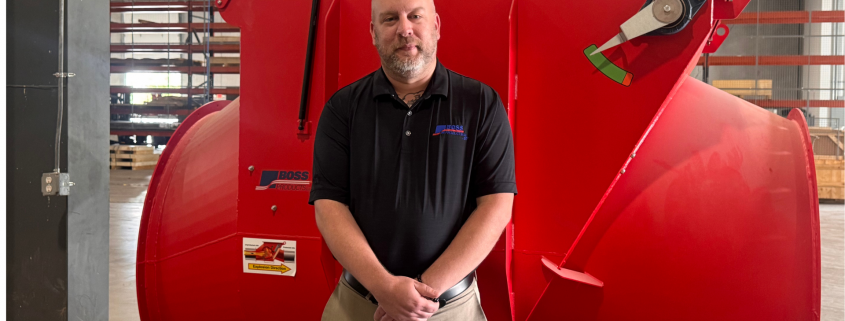


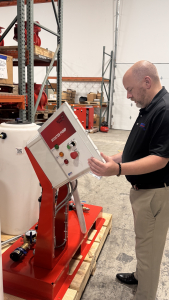 Joe: Regular inspections, preventive maintenance, employee training, and understanding process changes are some of the highest-value investments a facility can make.
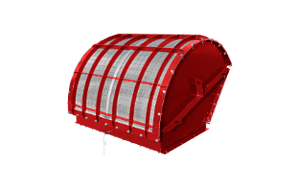 Joe: That’s exactly where flameless venting becomes a valuable option. Traditional explosion vents typically require a safe outdoor discharge area because they release both pressure and flame. But in many facilities, that simply isn’t practical. You might have personnel working nearby, adjacent equipment, or building layouts that don’t provide a safe venting path.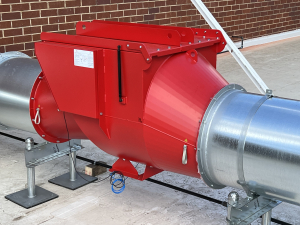
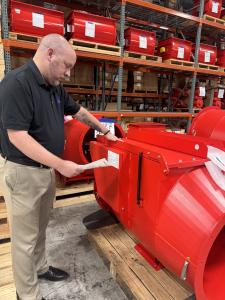 Joe: More often than many facilities realize. It’s not enough to install combustible dust explosion protection equipment and assume it will always work as intended. Explosion vents, isolation devices, spark detection systems, sensors, and suppression equipment should all be inspected and maintained according to the manufacturer’s recommendations and your facility’s maintenance program.


 The series covers the same questions our team hears every week during inspections, training sessions, and troubleshooting visits.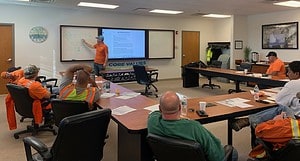
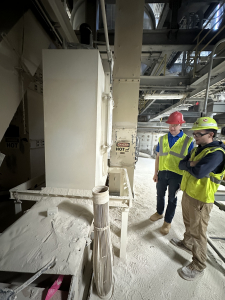


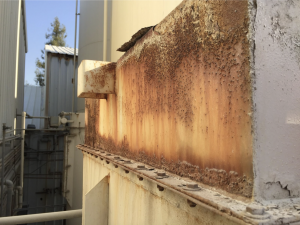 Corrosion is one of the most common—and expensive—problems affecting industrial dust collection systems. It can be a baghouse exposed to humid process air, a dust collector handling corrosive chemicals, or ductwork operating in harsh outdoor environments… in all these instances rust slowly eats away at equipment, shortens service life, increases maintenance costs, and can eventually lead to catastrophic failures. “Corrosion is a major industry challenge,” says Sarah Whitmore, a Reliability Engineering Supervisor at Midwestern Manufacturing Solutions.
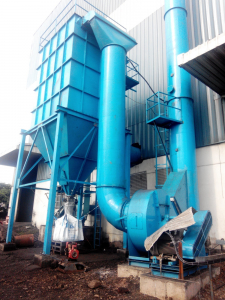 Industrial dust collectors often operate in conditions that are ideal for corrosion, such as high humidity, condensation events, acidic gases, salt-laden air, chemical vapors, outdoor weather exposure, temperature cycling, and abrasive dust streams.

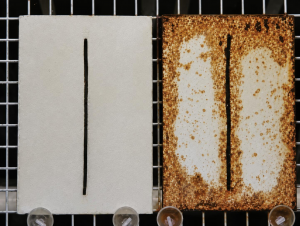
 Baghouse housings
 Fan housings
 Structural steel
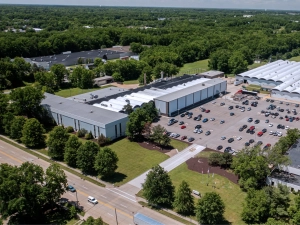
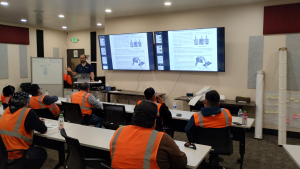
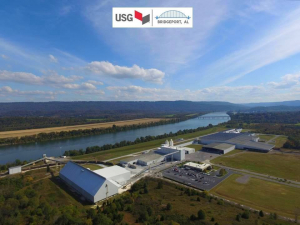
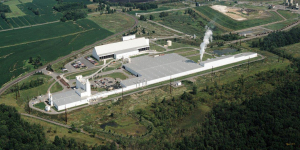
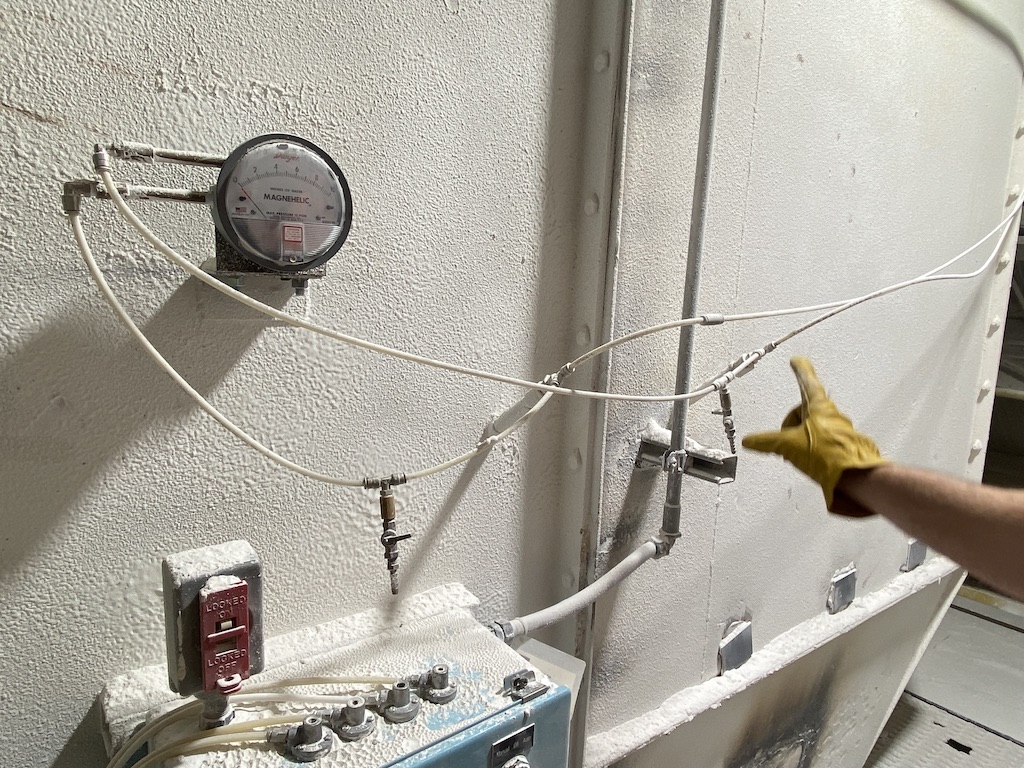



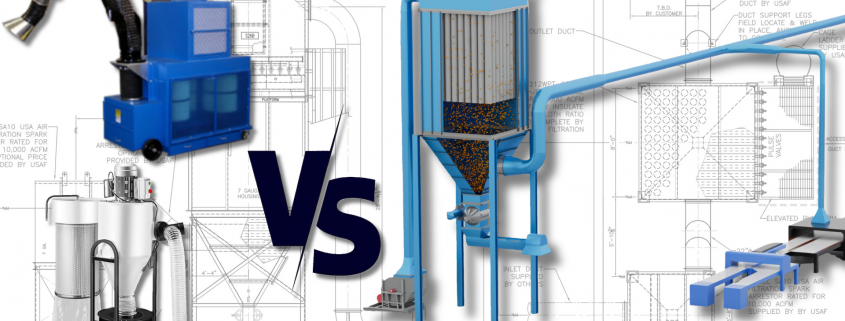
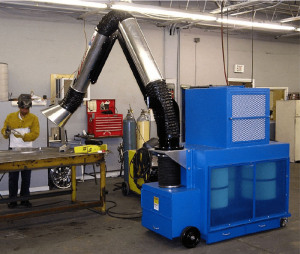 Portable systems are usually the better option when flexibility matters more than scale. A portable dust collector is a self-contained unit placed close to the dust source, which means little or no fixed ductwork and a much faster installation. These self-contained units typically include a motor, fan, filtration system, and dust collection container—all packaged in a mobile unit that can be positioned where needed.
 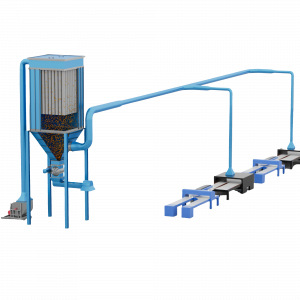 A central system makes more sense when dust collection needs to function as part of the process every day, not as a movable accessory. In this setup, multiple machines connect to one collector through fixed ductwork, and the dust is captured and discharged to one location.






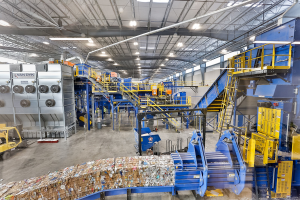 When
When 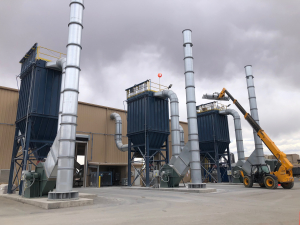 ⦿ Three pulse-jet