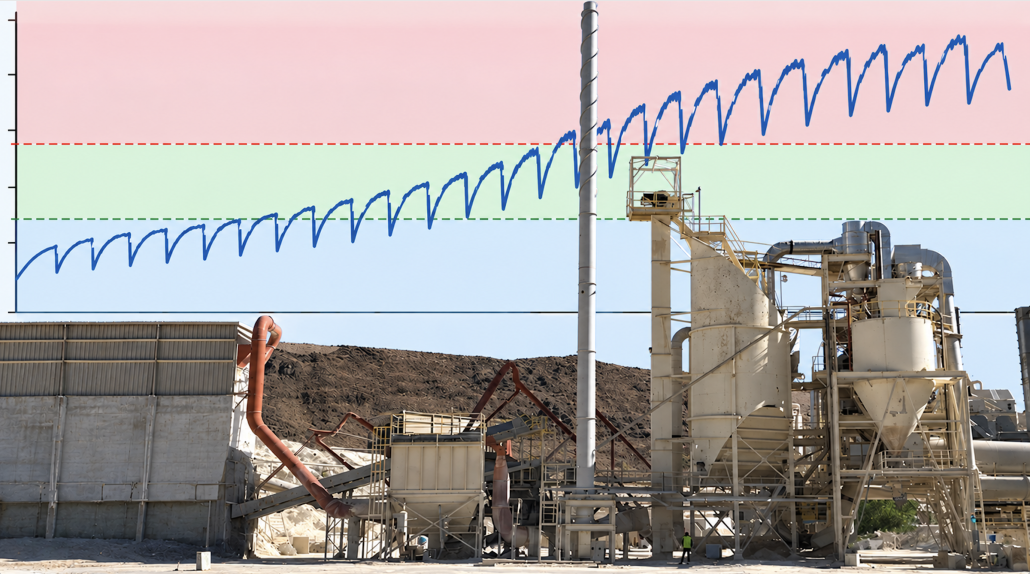

2. Dust Collection Protects Our Environment

Since the Industrial Revolution, manufacturing has transformed the world—but it has also highlighted the importance of controlling industrial emissions.
Today, dust collection systems play a major role in reducing the environmental impact of manufacturing by filtering contaminated process air before it is released into the atmosphere.
By capturing particulate matter at the source, these systems help prevent dust from settling into nearby rivers, lakes, streams, and soil while improving local air quality for people, wildlife, and vegetation.
Modern filtration technology also allows many facilities to meet strict environmental regulations without sacrificing production efficiency.
“As manufacturing has evolved, so has filtration technology,” says Dominick Dal Santo, Sales Director and Baghouse Expert at Baghouse.com. “Today’s dust collectors are far more efficient than those used just a few decades ago, allowing facilities to dramatically reduce emissions while maintaining productivity.”
3. Proper Dust Collector Systems Help Keep Workers Healthy

In many industries, workers can be exposed to high levels of dust, causing breathing problems that could lead to life-threatening respiratory diseases.
One of the greatest dangers facing industrial workers is exposure to contaminated air. Another overlooked danger of large amounts of dust pollution is the very real threat of a dust explosion occurring. When certain kinds of dust are dispersed into the air in the right proportions, it can lead to a very violent explosion that can cause a massive loss of life. Through the operation of a Baghouse (Trade term for a Dust Collector), job site hazards are reduced, and worker safety is increased.
4. Dust Control Helps Keep Manufacturing Costs Down, Leading To Cheaper Products For You
Efficient dust collection systems help manufacturers reduce maintenance costs, minimize equipment wear, improve product quality, extend filter life, reduce downtime, and avoid expensive regulatory penalties.
Perhaps most importantly, they help prevent catastrophic events such as fires and dust explosions that can shut down production for weeks or even months. With an adequate Dust Control program in place, industry can avoid many costly accidents (Such as Dust Explosions) and attain a higher quality product.
When manufacturers operate more efficiently, they can produce higher-quality products at lower operating costs, savings that ultimately benefit customers as well.
“We often tell customers that the cheapest dust collector is rarely the least expensive to own,” says Dominick Dal Santo. “A well-designed system pays for itself over time through lower maintenance, better reliability, and improved production.”
5. Countless Products Could Not Be Manufactured With It
Food ingredients must be separated and conveyed without contaminating the workplace. Pharmaceutical powders require precise handling. Cement, minerals, chemicals, batteries, steel, paper, plastics, recycled materials, and wood products all depend on effective dust collection somewhere during manufacturing.
In many cases, the manufacturing process simply couldn’t operate without filtration and dust separation equipment.
Whether it’s the flour used to bake bread, the aluminum in a beverage can, the battery inside an electric vehicle, or the lumber used to build a home, dust collection technology plays a role behind the scenes.
More Important Than Most People Realize
Dust collection may not receive much public attention, but it supports countless industries that people depend on every day. It protects workers, safeguards the environment, improves product quality, keeps manufacturing efficient, and helps facilities comply with increasingly strict environmental and safety regulations.
As industrial processes continue to evolve, so will the need for smarter, more efficient dust collection solutions. Investing in well-designed systems, routine maintenance, and ongoing employee training doesn’t just improve plant performance—it helps create safer workplaces and more sustainable manufacturing for everyone.
The next time you walk through a manufacturing facility or use a product made from steel, wood, food ingredients, cement, paper, or recycled materials, remember that there’s a good chance an industrial dust collection system helped make it possible.

Director of Operations | Dust Collection Specialist | Industrial Filtration Consultant
Dominick DalSanto is an author and environmental technologies expert specializing in dust collection systems. He has nearly a decade of hands-on working experience in the industry. Dominick is the sales director and sales technical advisor for an industrial dust collection equipment manufacturer. Personally took the lead on key projects each year from sales engineer to field advisor to project manager to business relations. Born in San Bernardino County, California, and raised in Chicago, he currently resides in Buenos Aires, Argentina.