— From your perspective, what do most people misunderstand about industrial dust collection systems?
Matt: “I think the biggest misconception is that dust collection is just a support system. People tend to focus on the production equipment because that’s what makes the product, but if the dust collector isn’t working properly, eventually the production equipment won’t be either. Dust collection affects everything—maintenance, safety, environmental compliance, product quality, and ultimately production itself.”
▶ Watch his full answer below.
— Why should plant managers and engineers think of dust collection as part of production?
Matt: “Dust collection isn’t separate from production—it is part of the process. In many facilities, you’re actually recovering valuable product. In others, you’re protecting the equipment, preventing contamination, or making sure employees can work safely. When the dust collector struggles, production usually starts struggling too. They’re much more connected than people realize.”
▶ Watch his full answer below.
— What are the most common dust collection problems you see when you walk into a plant for the first time?
Matt: “Usually I can tell within a few minutes if a facility has dust collection issues. You see dust accumulating where it shouldn’t, leaking ductwork, plugged hoppers, high differential pressure, or systems that have been modified over the years without anyone stepping back to look at the overall design. One of the things I tell customers all the time is that the dust collector is often the victim—not the cause. The real problem is somewhere else in the system.”
▶ Watch his full answer below.
— In your experience, what are the warning signs that a dust collector is underperforming?
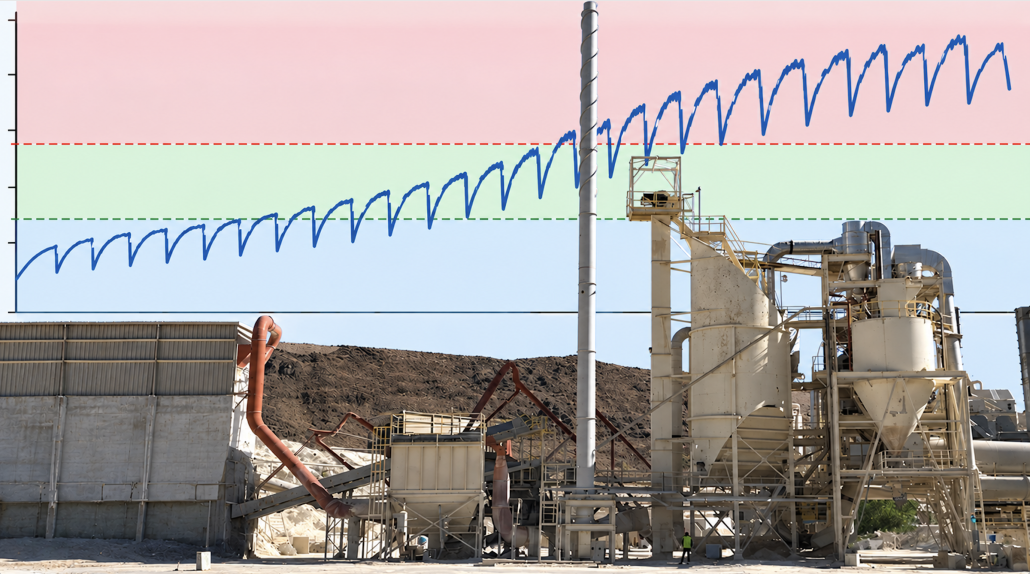
Matt: “The biggest indicator is your differential pressure. If you don’t know what it’s doing—or worse, if the gauge isn’t working—you really can’t make good maintenance decisions. Beyond that, I look for poor airflow, excessive dust inside the plant, plugged ductwork, short filter life, or operators constantly fighting the system just to keep production going.”
▶ Watch his full answer below.
— What are some of the most costly mistakes facilities make when trying to save money on dust collection?
Matt: “The biggest mistake is focusing only on the purchase price. Buying a smaller collector or delaying maintenance might save money today, but you’ll usually spend much more later in compressed air, replacement filters, downtime, and lost production. A well-designed system almost always costs less to own over its lifetime.”
▶ Watch his full answer below.
— What maintenance practices should every facility have in place for its dust collection system?
Matt: “Every facility should have a structured maintenance program. Check your differential pressure regularly, inspect the filters, monitor the fans, look for leaks, verify the rotary airlocks are working, and actually walk around the system. Small problems are much easier—and much cheaper—to fix before they become major failures.”
▶ Watch his full answer below.
— What are some of the most overlooked combustible dust protection measures you see in the field?
Matt: “A lot of facilities think that installing an explosion vent is enough. In reality, combustible dust protection is a complete system. You have to think about explosion isolation, spark detection, suppression, proper ductwork design, discharge equipment, and making sure everything works together. Every application is different, which is why a Dust Hazard Analysis is so important.”
▶ Watch his full answer below.
— When evaluating a facility, how do you determine whether the right solution is a repair, a retrofit, or a full replacement?
Matt: “That’s one of the first questions we try to answer during an audit. Sometimes the collector itself is in good condition, and all you need is a retrofit or some operational improvements. Other times the process has changed so much that the original system simply isn’t capable of doing the job anymore. Every recommendation starts with understanding how the facility actually operates today.”
▶ Watch his full answer below.
— If you could give one piece of advice to plant managers, engineers, and maintenance teams responsible for dust collection systems, what would it be?
Matt: “Don’t wait until something breaks. Dust collection systems slowly drift away from their original design over the years as production changes and equipment gets modified. Bringing in someone who specializes in dust collection before you have a major problem almost always saves money in the long run.”
▶ Watch his full answer below.
— Where do you see the future of dust collection heading in terms of monitoring, maintenance, and system design?
Matt: “We’re moving toward smarter systems. Remote monitoring, Industrial IoT, predictive maintenance, emissions sensors, AI-driven analytics—these tools allow us to identify problems before they become shutdowns. I think the future is less about reacting to failures and more about preventing them altogether.”
▶ Watch his full answer below.
— How can an audit help increase dust collector efficiency without major spending?
Matt: “One of the things people are often surprised to learn is how many improvements don’t require replacing equipment. An audit helps identify airflow issues, maintenance practices, operating settings, and design problems that can often be corrected with relatively minor changes. Sometimes the biggest gains come from simply optimizing what you already have.”
▶ Watch his full answer below.
— What benefit does it have to include training for your personnel with your audit?
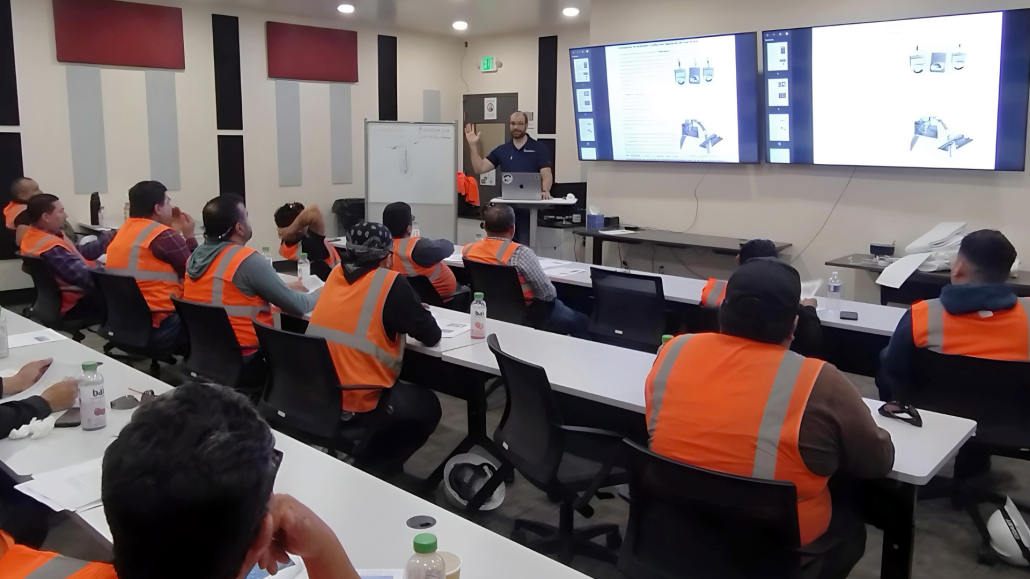
Matt: “Equipment doesn’t maintain itself—people do. You can install the best dust collector in the world, but if nobody understands how it works or why certain maintenance practices matter, performance is going to suffer over time. Training gives maintenance teams the confidence to make better decisions long after we’ve left the facility.”
▶ Watch his full answer below.
— What makes Baghouse.com different from other providers?
Matt: “We’re not just selling dust collectors. We design them, manufacture them, install them, inspect them, maintain them, train operators, and troubleshoot systems that other companies couldn’t solve. That field experience gives us a different perspective because we’ve seen what actually works—and what doesn’t—in hundreds of facilities.”
▶ Watch his full answer below.
— Any final thoughts for a potential customer?
Matt: “Whether you’re planning a new system, troubleshooting an existing one, or just looking for a second opinion, don’t hesitate to reach out. Dust collection is what we do every day, and we genuinely enjoy helping customers solve difficult problems. If there’s a better solution for your facility, we’ll help you find it.”
▶ Watch his full answer below.


 We recently sat down and interviewed Matthew Coughlin, President and Engineer at Baghouse.com, to discuss some of the most common questions customers ask about industrial dust collection. Drawing from his background in aerospace engineering, manufacturing, and industrial process improvement, Matt shares practical insights into what separates reliable dust collection systems from those that become constant maintenance headaches.