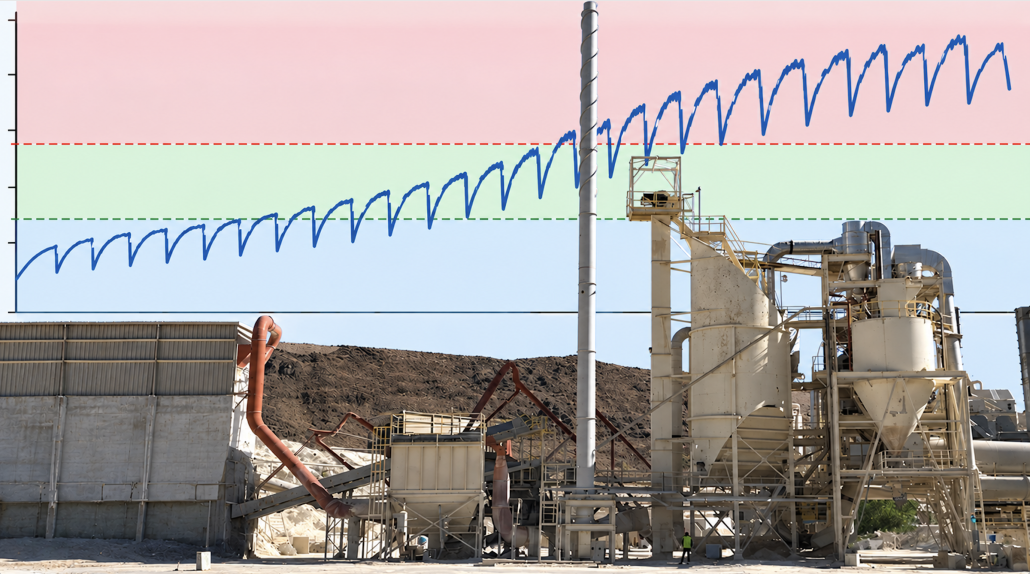
 Most facilities don’t schedule a dust collection audit because everything is running perfectly. They call when differential pressure won’t come down, filters are failing too soon, emissions are increasing, production is being affected, or someone simply asks, “Why is our dust collector becoming a constant headache?”
That’s where a good inspection makes all the difference. In this interview, Dominick Dal Santo, Sales Director and Technical Advisor at Baghouse.com, takes us behind the scenes of a professional dust collection audit. He explains what our team looks for and the kinds of problems we uncover every day.
 Dominick: “Some of the biggest problems we find are things plants don’t even realize are happening. We frequently discover inaccurate differential pressure readings, improperly sized filters, incorrect filter media, plugged hoppers, dust buildup inside ductwork, and cleaning systems that aren’t operating correctly.
Sometimes the equipment itself isn’t the problem at all. The biggest issue is simply that people have been taught to operate the system the wrong way, and those misunderstandings have been passed down for years.”
▶ Mira su respuesta completa a continuación.
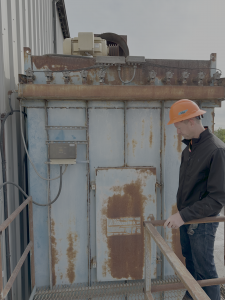 Dominick: “When you schedule a Baghouse.com audit, you’re getting one of our dust collection experts. We send engineers, technical leads, or experienced system specialists—not someone who’s simply there to sell equipment.
Our goal is to understand your system, troubleshoot problems with you, and discuss both today’s challenges and your future expansion plans.”
▶ Mira su respuesta completa a continuación.
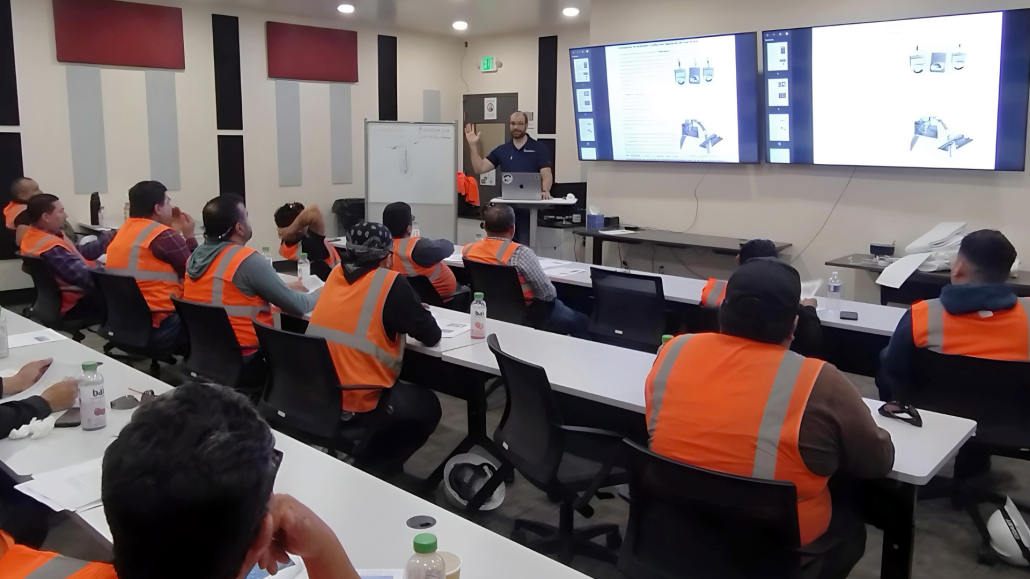
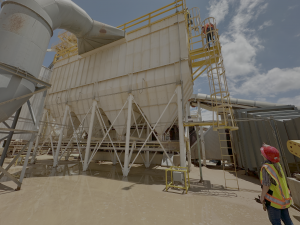 Dominick: “Most companies are surprised by how little preparation is actually required. We simply need access to the dust collectors while they’re operating normally, someone who can walk the plant with us, maintenance records, drawings, specifications, and the opportunity to talk with plant personnel.
In most cases, we don’t need confined space entry or lengthy shutdowns. With that information alone, we’re able to diagnose the vast majority of the issues we encounter.”
▶ Mira su respuesta completa a continuación.

Experto en colectores de polvo, redactor técnico y editor en Baghouse.com
Andy Biancotti está convencido de que el conocimiento es una de las mejores inversiones para una empresa. Como Editor y Gerente de Marketing en Baghouse.com, disfruta entrevistar a ingenieros, técnicos y clientes para capturar las lecciones aprendidas en proyectos reales de control de polvo y convertirlas en recursos prácticos que ayuden a otros profesionales. Con más de dos décadas de experiencia en mantenimiento industrial, operaciones y comunicación técnica, su objetivo es simple: ayudar a las personas para que puedan operar de forma más segura, inteligente y eficiente.