Dominick Dal Santo works as a Sales Manager and Dust Collection Expert at Baghouse.com
Over the years, Dominick has helped hundreds of facilities across North America troubleshoot dust collection problems, design new systems, train maintenance teams, and perform comprehensive system audits. Having worked in marketing, field service, installations, welding, system design, and now sales management, he brings a unique perspective that combines practical experience with engineering knowledge.
We recently sat down with Dominick to discuss his journey into the dust collection industry, the importance of education, and some of the exciting experiences he’s encountered while helping customers improve their systems.
Dominick: “Well… I was kind of forced into it,” he laughs.
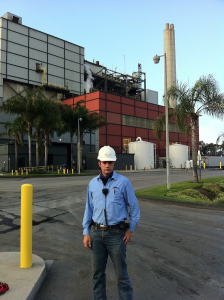 “My father, Dave Dal Santo,, founded the company more than forty years ago, so growing up, working at Baghouse during the summer was just how we earned a little spending money. I spent some time working in other industries first, but eventually came back in my early twenties. Ironically, I didn’t start on the engineering side—I actually started in marketing.”
“Today I work with customers from the very beginning of a project, helping determine the best solution for their application. Having spent years actually installing and troubleshooting systems gives you a different perspective when recommending equipment.”
▶ Mira su respuesta completa a continuación.
Dominick: “It’s interesting because after visiting so many facilities, you begin noticing the same patterns over and over again.”

Si los operadores tienen lecturas incorrectas, podría resultar en daños al sistema, un aumento de las emisiones o incluso en riesgos de incendio y polvo combustible
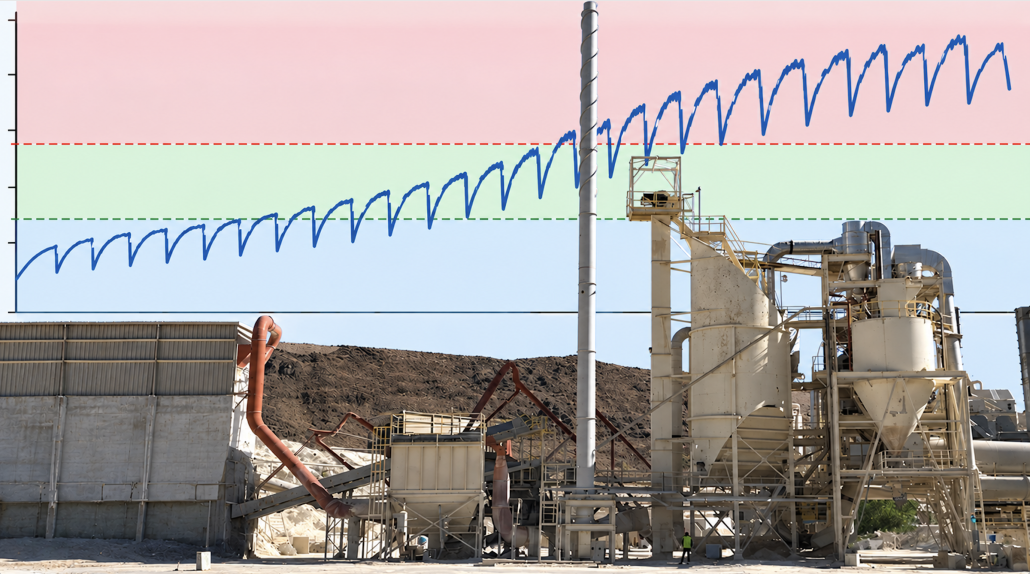
“The very first question we ask is always, ‘What’s your la presión diferencial?'” Almost every plant has some kind of issue with its differential pressure monitoring. The gauge might be broken, full of water, or simply inaccurate because the pressure-sensing lines have never been cleaned. If you can’t trust your differential pressure reading, you really can’t make good maintenance decisions. When it’s accurate, it tells you an incredible amount about what’s happening inside your dust collector.”
▶ Mira su respuesta completa a continuación.
Dominick: “During the audit, we’ll identify physical issues. Maybe the collector is undersized. Maybe there’s damaged ductwork, poor airflow, plugged hoppers, or equipment that’s been modified over the years. But the majority of the problems we identify usually trace back to how the system is being operated or maintained.”
That’s where the second day becomes just as valuable.
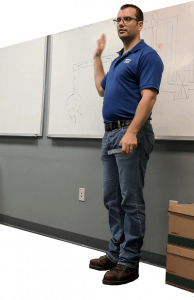 “During the training sessions, we spend several hours with maintenance personnel, operators, engineers, and supervisors discussing how the system actually works. Management may tell us that a particular maintenance procedure is always followed. But once you’re sitting in the classroom talking with the technicians who work on the equipment every day, you sometimes discover that’s not actually what happens.”
“The final report doesn’t simply say, ‘Replace this valve,’ or ‘Repair this duct. It identifies physical improvements, maintenance improvements, operational improvements, and training opportunities. You’re solving both the mechanical issues and the knowledge gaps at the same time.”
▶ Mira su respuesta completa a continuación.

Experto en colectores de polvo, redactor técnico y editor en Baghouse.com
Andy Biancotti está convencido de que el conocimiento es una de las mejores inversiones para una empresa. Como Editor y Gerente de Marketing en Baghouse.com, disfruta entrevistar a ingenieros, técnicos y clientes para capturar las lecciones aprendidas en proyectos reales de control de polvo y convertirlas en recursos prácticos que ayuden a otros profesionales. Con más de dos décadas de experiencia en mantenimiento industrial, operaciones y comunicación técnica, su objetivo es simple: ayudar a las personas para que puedan operar de forma más segura, inteligente y eficiente.