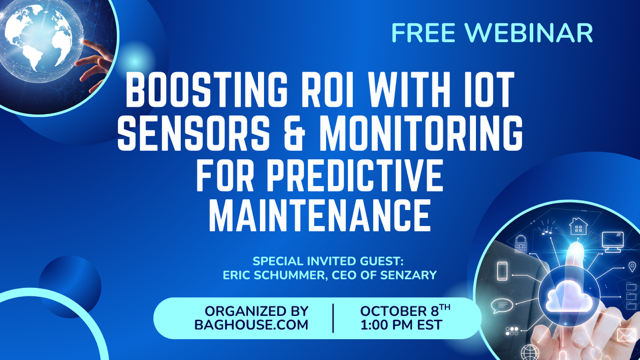
Boosting ROI with Wireless Sensors & Monitoring for Predictive Maintenance Webinar 2025

If you work in operations, engineering, facilities management, plant management, EHS, or purchasing, you are familiar with the constant pressure to keep production running smoothly while controlling costs. Unplanned downtime, wasted energy, and manual inspections drain resources and put safety at risk. This webinar will show you how IoT sensors and predictive monitoring can change that equation, helping you cut costs, prevent failures before they happen, and clearly demonstrate ROI. It’s a must-attend webinar!

What to Expect from the Webinar

This webinar will show you how integrating IoT sensors into your dust collection system can slash maintenance costs, extend equipment life, and eliminate manual guesswork. Our expert speakers will guide you through the power of predictive monitoring, with practical examples from real-world facilities.

Program

  • 🔹 Welcome & Overview

  • 🔹 What is IoT, and how does it apply to your facility? 

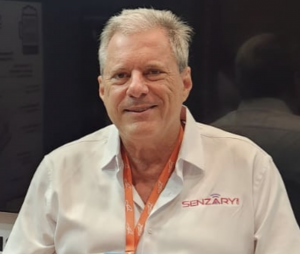
  • Webinar Special Guest - Eric Schummer, CEO of Senzary

    Webinar Special Guest – Eric Schummer, CEO of Senzary

    🔹 IoT Technology Explained In Depth – Interview with Eric Schummer

    • ➡️ What are the building blocks of an IoT platform?

    • ➡️ How data gets collected, transmitted, and visualized? What are the basic steps for implementing IoT tools?

    • ➡️ What are some IoT sensor types relevant to dust collection and other industrial equipment?

    • ➡️ How do IoT platforms interface with existing enterprise systems?

    • ➡️ Review ROI cases for common facility types, and case studies.

  • 🔹 How Can I Implement This Technology In My Facility?

  • 🔹 Conclusion & Q&A

Why Should You Attend?

  • ✅ Gain Practical Knowledge: You’ll learn exactly how sensors like particulate, pressure, airflow, and rotary monitoring devices can be integrated into your dust collection system to reduce unplanned downtime and avoid costly failures.
  • ✅ Optimize Maintenance and Energy Use: Traditional “fix it when it breaks” or over-cleaning approaches waste time and money. This webinar will show you how predictive maintenance saves energy, avoids over-cleaning, and extends the life of your filters and fans.
  • ✅ See the ROI Clearly: We’ll walk through real cost comparisons, labor vs. sensors, unplanned outages vs. predictive monitoring, so you can see how facilities are saving thousands each year.
  • ✅ Learn from Industry Experts: With Baghouse.com and Senzary teaming up, you’ll hear directly from leaders who understand dust collection challenges and how IoT can solve them.


How to Connect

Attending the webinar is easy! Simply register using the link below. Once registered, you’ll get a confirmation email with all the details to log in. Don’t miss it:

📅 Date: Wednesday, October 8th, 2025

Time: 1:00 PM (EST)

📍 Platform: Zoom

🔗 Watch our webinars

The session will be interactive, with a live Q&A at the end, so be sure to come prepared with any questions you may have about dust collection systems and projects.

Questions & Answers Section

During this section, our experts answered some of the live questions our attendees sent. 

  • ✅ What types of sensors work best for dust collection?
    ✅ Where should sensors be installed in a baghouse?
    ✅ How does predictive monitoring actually reduce downtime?
    ✅ Can IoT technology be retrofitted into older systems?
    ✅ How does sensor data integrate with plant operations?
    ✅ What is the cost-benefit of sensors vs. manual inspections?
    ✅ How can IoT improve safety and compliance with EHS standards? 


Sign up now and take the first step toward smarter, safer, and more cost-effective dust collection.

We can’t wait to see you there!


Federal Agency Says Fatal Fremont Explosion Was Preventable

A federal agency says the deadly July explosion at a Fremont, Nebraska, industrial plant was “a terrible tragedy” that never should have happened.

On Wednesday, the U.S. Chemical Safety and Hazard Investigation Board (CSB) released new information about the July 29 blast and fire at Horizon Biofuels. The accident killed worker Dylan Danielson, 32, and his two daughters, ages 8 and 12.

CSB Chairperson Steve Owens called it “a completely avoidable hazard,” saying early evidence shows it was likely a combustible wood-dust explosion—a well-known risk in wood-processing facilities.

Federal Agency Says Fatal Fremont Explosion Was Preventable
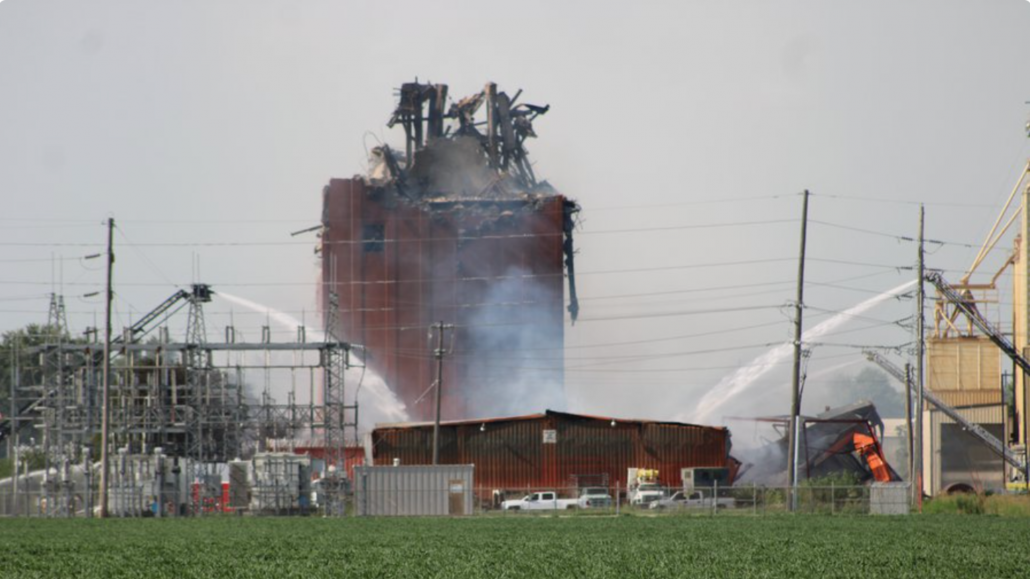
Firefighters work the scene of an explosion at Horizon Biofuels in Fremont. (Fred Knapp/Nebraska Public Media News)

Investigation Still Limited

The CSB investigates serious chemical accidents but does not set regulations. Its work at Horizon has been delayed because the site is too dangerous to enter.

“The facility remains unsafe, with a risk of collapse,” the agency said. Officials have advised keeping a safe distance until the building is stabilized.

What Happened That Day

Shortly before noon, witnesses saw a sudden release of dust or smoke from a tower. Flames appeared, followed by a powerful blast that tore through the structure.

Danielson was working inside. He survived the initial explosion but was trapped. He managed to speak by phone with the plant manager, who was off-site, and with his wife.

Neighbors heard him calling for help and tried to reach him, but unsafe conditions forced them back. Emergency crews arrived, evacuated the area, and could not enter until the next day, when they recovered the three victims.

Dust-Control System At the Plant

The CSB said its investigation will focus on the operations and conditions at the Horizon Biofuels facility, as well as dust-control systems, industry guidance for safe dust operation and regulatory oversight. A combustible dust explosion can occur when certain conditions align at a facility, including dust accumulation, dispersion and ignition within a confined space, potentially triggering a powerful secondary explosion, like the one that occurred at the Horizon Biofuels facility.

The CSB has examined many such disasters. A 2006 study reviewed 281 dust explosions, causing 119 deaths and 718 injuries across industries.

Past Safety Issues

Records from the Occupational Safety and Health Administration (OSHA) show Horizon Biofuels was cited in 2012 for four serious violations and fined $6,000.

The Nebraska State Fire Marshal’s Office, leading the state investigation, also called the incident an “accidental dust explosion” in its preliminary report.

You Can Prevent It

Combustible dust incidents are preventable with proper design, inspection, and maintenance. Baghouse.com helps industrial facilities diagnose hazards, install combustible dust prevention equipment, and identify measures to prevent explosions… protecting both your workers and equipment.