Industrial baghouse sistemas de control de polvo play an important role in keeping manufacturing facilities clean, protecting workers from airborne dust, and reducing particulate emissions. But how exactly do these systems work?
The basic idea is simple: capture the dust, transport it, filter it, and collect it for proper disposal.
Step 1: Capturing the Dust
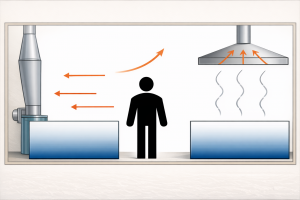
La mejor campana del mundo será ineficaz si no está colocada exactamente donde se genera el contaminante.
The first step is capturing dust as close to its source as possible. Industrial dust collection systems typically use capture hoods or direct ventilation connections installed near equipment that generates dust. These capture points help prevent airborne particles from spreading throughout the facility.
Once captured, the dust-laden air travels through a network of ducts toward the dust collector. A fan creates the airflow needed to move contaminated air through the system. The ductwork must be properly sized to maintain sufficient air velocity and prevent dust from accumulating inside the ducts.
Step 3: Filtering the Air
When the contaminated air reaches the baghouse, it passes through filtros de tela that separate dust particles from the airstream. The dust accumulates on the filters while the cleaned air passes through. Depending on the system design and applicable regulations, the filtered air may be exhausted outdoors or returned to the facility when permitted and appropriately safeguarded.

Step 4: Collecting and Disposing of the Dust
As dust accumulates on the filters, the baghouse cleaning system periodically removes it, allowing it to fall into a collection hopper. From there, the collected material is discharged into a container or another handling system for disposal or recovery.
Proper dust handling is important, especially when dealing with combustible, toxic, or otherwise hazardous materials.
Why Is Proper Dust Collection Important?
An effective industrial baghouse dust collection system helps reduce workers’ exposure to airborne contaminants, supports compliance with applicable air quality regulations, and prevents dust from accumulating on equipment and surrounding surfaces.
However, the system must be properly designed, operated, and maintained to perform effectively. At Baghouse.com, we help industrial facilities improve their dust collection systems through equipment selection, replacement filters, inspections, maintenance, and troubleshooting.
Director of Operations | Dust Collection Specialist | Industrial Filtration Consultant
Dominick DalSanto is an author and environmental technologies expert specializing in dust collection systems. He has nearly a decade of hands-on working experience in the industry. Dominick is the sales director and sales technical advisor for an industrial dust collection equipment manufacturer. Personally took the lead on key projects each year from sales engineer to field advisor to project manager to business relations. Born in San Bernardino County, California, and raised in Chicago, he currently resides in Buenos Aires, Argentina.