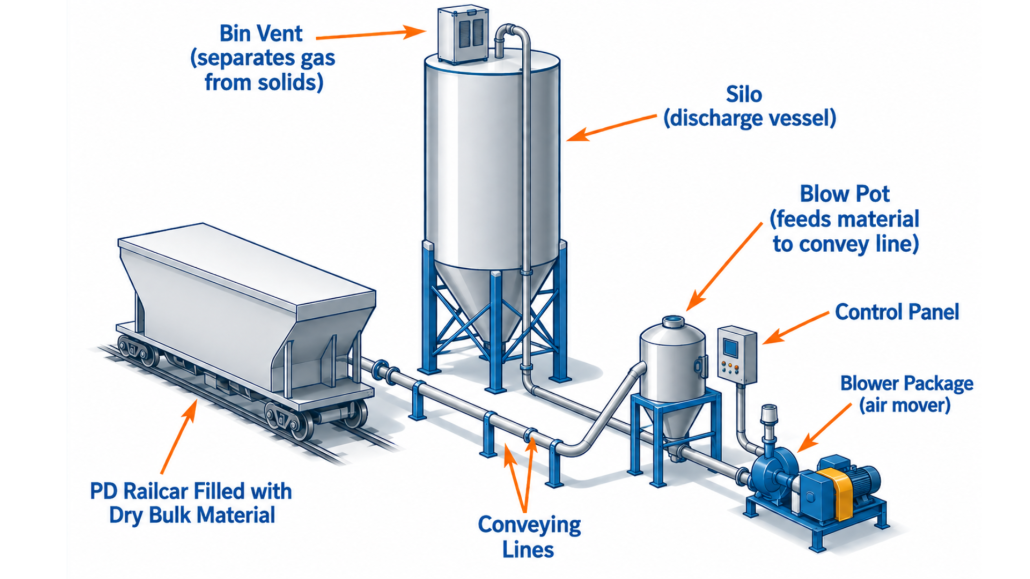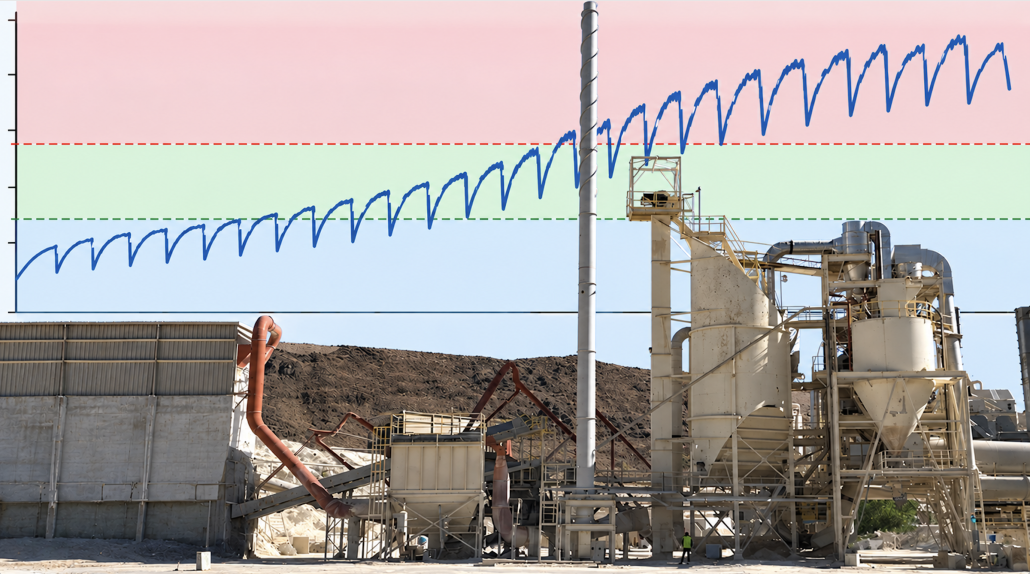
 La empresa USG (United States Gypsum) opera una amplia variedad de plantas de manufactura, lo que significa que los desafíos relacionados con el control de polvo no son iguales en todas sus instalaciones. Algunas plantas producen paneles de yeso (drywall), otras se enfocan en estuco, algunas procesan yeso proveniente de minas o de fuentes de yeso sintético, y otras fabrican productos especializados, como paneles acústicos. En todos estos procesos, el sistema de control de polvo está directamente relacionado con la estabilidad de la producción, la limpieza de la planta, el control de emisiones, las labores de mantenimiento, la vida útil de los filtros y la exposición de los trabajadores al polvo.
Durante más de 14 años, Baghouse.com se ha convertido en un aliado técnico recurrente para USG. Nuestro equipo realizó inspecciones en planta, impartió capacitaciones para gerentes de planta, personal de mantenimiento, ingenieros, responsables de EHS, gerentes de proyectos y equipos de operaciones. Posteriormente, complementamos ese trabajo con recomendaciones prácticas, suministro de repuestos, rediseños, actualizaciones de controladores, propuestas de modernización (retrofits) y, en varios casos, la ejecución completa de proyectos.
Esa relación de largo plazo significó que no llegábamos a cada planta sin conocerla previamente. Entendíamos cómo variaban los procesos de USG entre una instalación y otra, cuáles eran los puntos débiles más recurrentes y cómo explicar el funcionamiento de los sistemas de control de polvo de una manera que ayudara a cada equipo a tomar mejores decisiones. También significó que USG contaba con un socio al que podía recurrir cuando una planta necesitaba mucho más que simplemente reemplazar filtros. En muchos casos, lo que realmente necesitaban era alguien que pudiera explicar por qué el sistema estaba teniendo problemas, cómo corregirlos y cómo operarlo correctamente de ahí en adelante.
Michael McDonough, Ingeniero de Planta de USG Fort Dodge, explica: "Nos pusimos en contacto con Baghouse.com debido a los numerosos problemas que presentaban los colectores en toda nuestra planta. Además, muchos de nuestros empleados no comprendían realmente cómo funcionan estos sistemas, cuál es su importancia ni cuáles son las mejores prácticas para darles mantenimiento."
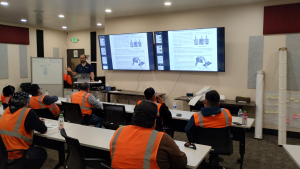
Una de las partes más valiosas de esta colaboración fue la combinación de inspección y capacitación.
En cada planta inspeccionamos los colectores, los ductos, los filtros, las jaulas, los sistemas de limpieza por pulsos, la descarga de las tolvas, las lecturas de presión diferencial y las prácticas generales de operación. Después utilizábamos esa información real durante las sesiones de capacitación con el personal de la planta. Esto brindó a operadores y técnicos de mantenimiento una experiencia mucho más útil que una capacitación genérica. Podían analizar sus propios sistemas, identificar sus propios problemas y comprender las verdaderas causas detrás de ellos.
Este enfoque aportó beneficios en dos sentidos. Primero, permitió que el personal de USG comprendiera mucho mejor cómo debe operar correctamente un sistema de control de polvo. Segundo, nos dio retroalimentación directa de las personas que operaban y reparaban estos sistemas todos los días. Esto permitió detectar problemas que nunca habrían salido a la luz durante una inspección rápida, como la forma en que estaban configurados los pulsos de limpieza, cómo se reemplazaban los filtros, qué creían los operadores que hacían realmente los controles o qué soluciones "temporales" se habían convertido silenciosamente en prácticas permanentes.
Con el paso del tiempo, este intercambio constante dio lugar a mejores prácticas operativas, mejores decisiones de mantenimiento y una mejor planificación de inversiones de capital.
Galena Park, Texas
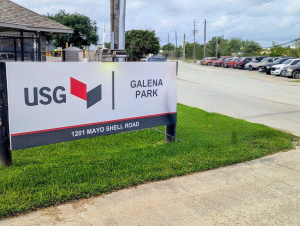
Planta de USG en Galena Park, Texas
Galena Park es un buen ejemplo de cómo una relación de largo plazo se vuelve cada vez más valiosa con el tiempo. Habíamos trabajado anteriormente en esta planta y volvimos a participar cuando necesitó nuevamente nuestro apoyo.
Uno de los principales problemas estaba relacionado con el colector de polvo del sistema de remolienda SRC. El sistema parecía estar sobredimensionado o generar demasiado flujo de aire para la aplicación real, y además el sistema de ductos había sido modificado tantas veces a lo largo de los años que ya no funcionaba como había sido diseñado originalmente. Cuando los filtros estaban limpios, el sistema probablemente generaba un flujo de aire excesivo, llegando a extraer material del tornillo transportador y del elevador, en lugar de limitarse a captar el polvo suspendido en el aire. Esto sobrecargaba rápidamente el colector, reducía el flujo de aire, disminuía la velocidad de transporte dentro de los ductos y finalmente provocaba obstrucciones.
El diseño de los ductos también presentaba varios problemas. Existían ramales sin salida, ángulos de entrada poco adecuados y puntos de captación que permitían la entrada de demasiado aire, haciendo que todo el sistema fuera inestable. Nuestra recomendación no fue simplemente "cambiar los filtros". Propusimos rediseñar parte de los ductos, reducir el flujo de aire innecesario, regular los puntos de captación mediante compuertas de regulación (blast gates) y probar cartuchos con pliegues más separados para mejorar la liberación del polvo. También identificamos una solución a largo plazo que consistía en reemplazar el colector de cartuchos por un colector de mangas o integrar cuidadosamente esos puntos de captación a otro sistema existente.
La planta de Galena Park también enfrentaba nuevos desafíos relacionados con los permisos ambientales. USG necesitaba asegurarse de que los filtros seleccionados para determinadas unidades cumplieran con los nuevos y más estrictos requisitos de emisiones establecidos en sus permisos de operación. Ayudamos a seleccionar el medio filtrante adecuado y proporcionamos toda la documentación técnica necesaria para respaldar esos niveles de emisión. Este tipo de apoyo es un excelente ejemplo de cómo Baghouse.com aporta mucho más valor que simplemente suministrar repuestos.
Bridgeport, Alabama
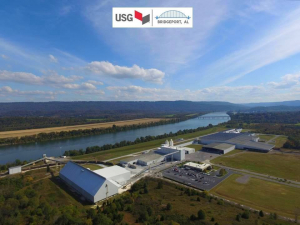
Planta de USG en Bridgeport, Alabama
La auditoría realizada en Bridgeport reveló varios problemas comunes en sistemas antiguos o con muchos años de operación, pero lo suficientemente importantes como para requerir atención inmediata.
En el área de gran altura (high-bay), algunos equipos que manejaban polvo combustible contaban únicamente con medidas parciales de prevención de incendios y aún carecían de los dispositivos de protección que normalmente exigen las normas NFPA. Como mínimo, estos sistemas necesitaban una válvula rotativa adecuada (airlock), paneles de venteo para explosiones con una vía de descarga despejada y sistemas de aislamiento contra explosiones en los ductos de aire sucio. Varios de los equipos carecían de elementos fundamentales dentro de esta estrategia de protección.
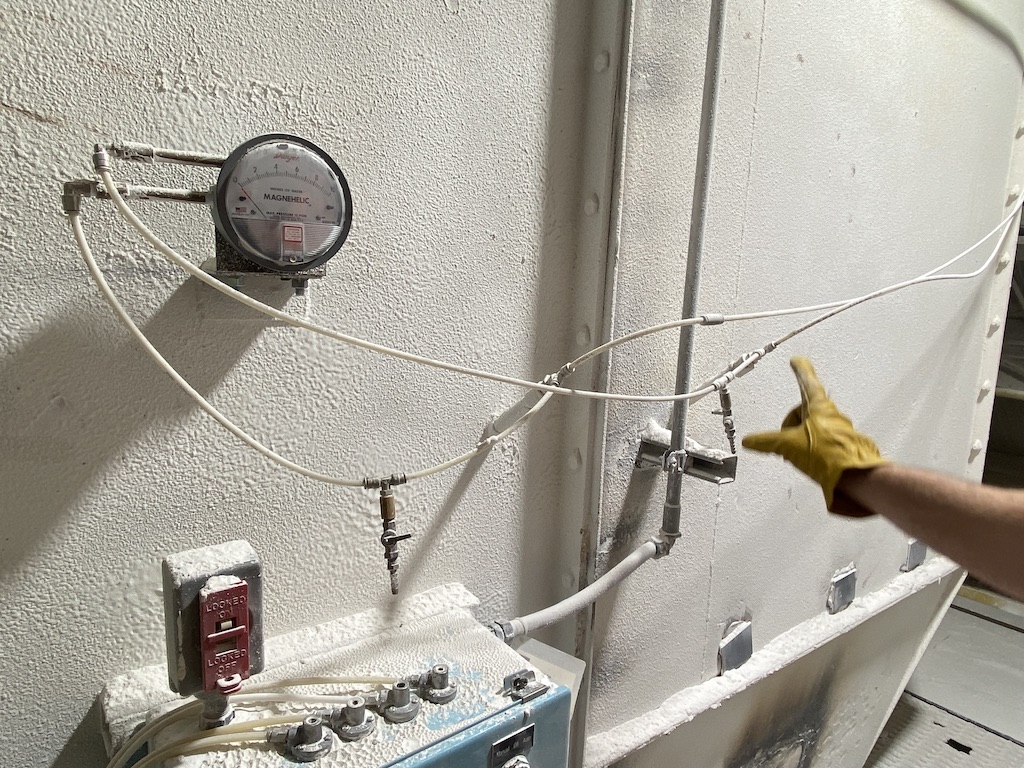
Otro problema recurrente en Bridgeport era la instrumentación. Las lecturas de presión diferencial (DP) de muchos equipos no eran confiables debido al mal estado de los manómetros y de las líneas de medición, o simplemente porque no habían recibido el mantenimiento adecuado. En la práctica, esto significaba que operadores y personal de mantenimiento tomaban decisiones sin contar con información confiable sobre la presión diferencial. Al mismo tiempo, muchas unidades permanecían funcionando en modo temporizador, realizando pulsos de limpieza continuamente incluso cuando el proceso estaba detenido.
La calidad del aire comprimido también representaba una preocupación importante. La corrosión observada en los colectores de aire y en las tuberías indicaba la presencia de humedad en el sistema de aire comprimido. Este tipo de problema afecta a toda la planta, reduce la vida útil de válvulas, conexiones, diafragmas y otros componentes, además de disminuir el desempeño de todos los colectores con limpieza por pulsos conectados a ese suministro de aire.
Nuestro trabajo en Bridgeport proporcionó a la planta una hoja de ruta técnica para mejorar la protección contra explosiones, recuperar la confiabilidad de las mediciones de presión diferencial, optimizar la estrategia de limpieza y corregir los problemas relacionados con la calidad del aire comprimido. También dio lugar a un soporte continuo para el suministro de filtros y jaulas de repuesto, ayudando a la planta a tomar decisiones más informadas sobre sus equipos y sus prácticas de mantenimiento.
Danville, Pennsylvania
Planta de USG en Danville, Pennsylvania
Danville puso en evidencia un problema de mantenimiento que con frecuencia se subestima: las jaulas (o canastillas) de los filtros..
Muchas de las canastillas de la planta habían sido reutilizadas demasiadas veces y además almacenadas de forma inadecuada. Encontramos canastillas oxidadas, dobladas, deformadas y en tan malas condiciones que casi con certeza estaban provocando fallas prematuras en los filtros. El óxido, las aristas filosas y las deformaciones generan puntos de abrasión que reducen considerablemente la vida útil de los filtros. En algunos casos, las canastillas parecían ser las originales de colectores que llevaban muchos años en servicio.
También observamos una discrepancia entre lo que la planta creía tener en inventario y lo que realmente existía en el almacén. Algunas unidades supuestamente requerían canastillas con recubrimiento epóxico, pero el inventario disponible no coincidía con la documentación.
Nuestra recomendación fue sencilla, pero importante: instalar canastillas nuevas durante el próximo cambio completo de filtros en todos los colectores, en lugar de continuar reutilizándolas de manera excesiva. También sugerimos utilizar materiales más prácticos para las canastillas cuando fuera posible, en lugar de recurrir automáticamente a versiones con recubrimiento epóxico, mucho más costosas.
La auditoría en Danville también identificó dos ciclones en malas condiciones, varios respiraderos de silos y colectores que eran buenos candidatos para cambiar a filtros plisados, además de ductos de descarga problemáticos en los Desteamers, que favorecían la acumulación de material y evidenciaban posibles fugas del lado del aire limpio. Incluso sin iniciar inmediatamente grandes proyectos de inversión, la inspección permitió a la planta adoptar un enfoque mucho más disciplinado para gestionar la confiabilidad de filtros y canastillas.
Walworth, Wisconsin

Planta de USG en Walworth, Wisconsin
Esta planta fabrica paneles acústicos y sus principales procesos incluyen corte, cepillado, maquinado y pintura. En lugar de solicitar únicamente un informe de inspección tradicional, la planta quería contar con planos de ingeniería que mostraran el estado futuro deseado de sus sistemas y las modificaciones recomendadas.
Nuestro trabajo se centró en evaluar cuatro colectores, enfocándonos principalmente en el rediseño de los Sistemas 1 y 2, así como en la planificación de la modernización y mejora de los ductos de los Sistemas 3 y 4. Esto incluyó revisar los requerimientos de flujo de aire, el área de filtración, el dimensionamiento de los ventiladores, el diseño de los ductos y la presión estática necesaria para satisfacer las condiciones reales del proceso. En otras palabras, Walworth utilizó la inspección como una herramienta de planificación estratégica para desarrollar un sistema de control de polvo más eficiente en el futuro.

Sweetwater, Texas
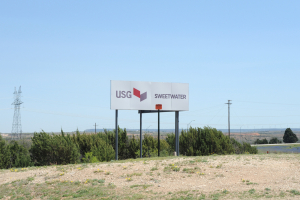
Planta de USG en Sweetwater, Texas
Sweetwater es una de las plantas donde comenzó hace más tiempo nuestra relación con USG y forma parte de la historia de colaboración entre ambas compañías.
Esta planta presentaba muchos de los problemas clásicos que suelen repetirse en colectores con bajo desempeño: puertas con sellos deficientes, burletes deteriorados, fugas entre las cámaras de aire limpio y aire sucio, acumulaciones de polvo sobre las superficies exteriores, válvulas de pulso funcionando incorrectamente, puntos de captación fuera de servicio que permanecían abiertos, filtros claramente cegados y lecturas de presión diferencial sospechosamente bajas que probablemente no eran reales.
Las prácticas operativas también contribuían al problema. La planta había terminado utilizando limpieza continua porque el sistema de limpieza por demanda (clean-on-demand) no estaba funcionando como se esperaba. Además, los filtros se reemplazaban únicamente de forma individual cuando fallaban, sin llevar un registro de cambios completos, y el personal reportó que, cuando sospechaban una obstrucción en las tolvas, recurrían a golpearlas con martillos de goma para intentar liberar el material.
Nuestro trabajo de inspección y capacitación permitió demostrar cómo las fugas, las lecturas falsas de presión diferencial, el mal sellado de los equipos y ciertos hábitos operativos pueden combinarse para deteriorar significativamente el desempeño del sistema de control de polvo. Años después, USG volvió a recurrir a Baghouse.com para recibir ayuda adicional en esta misma planta, demostrando el valor de mantener una relación técnica de largo plazo, incluso cuando transcurren varios años entre proyectos importantes.

Director of Operations | Dust Collection Specialist | Industrial Filtration Consultant
Dominick DalSanto is an author and environmental technologies expert specializing in dust collection systems. He has nearly a decade of hands-on working experience in the industry. Dominick is the sales director and sales technical advisor for an industrial dust collection equipment manufacturer. Personally took the lead on key projects each year from sales engineer to field advisor to project manager to business relations. Born in San Bernardino County, California, and raised in Chicago, he currently resides in Buenos Aires, Argentina.