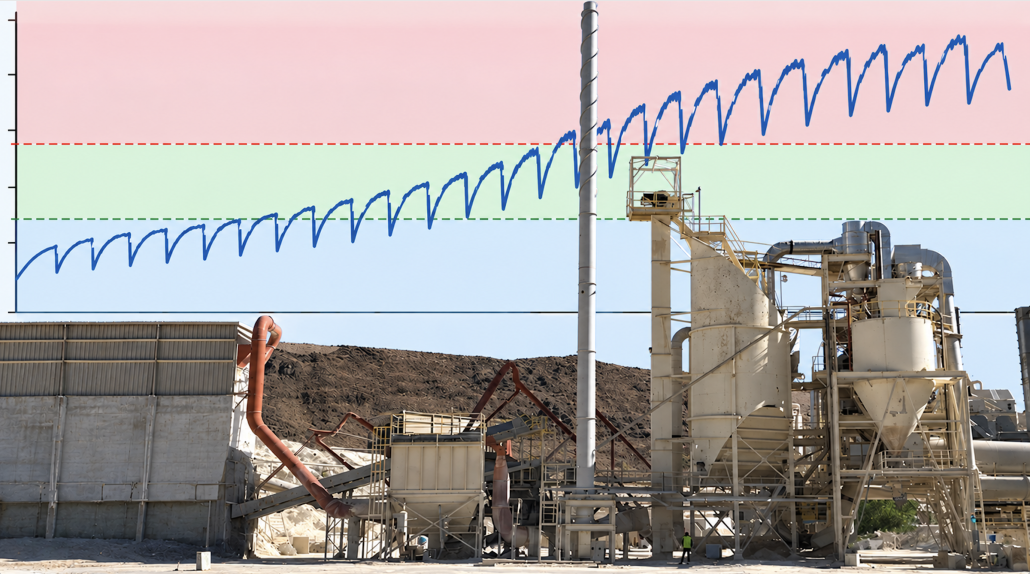

Rain, snow, and sun can cause corrosion of the baghouse and its components
Normal operation and constant exposure to the weather can result in various parts of a Baghouse system deteriorating and or being damaged. For example, exposure to rain, snow and sun can result in a breakdown of exterior components, water leakage and corrosion of the system. Thus, a planned outage is the perfect time to inspect and review the condition of the entire system and to replace or repair any necessary items.
Check for rust and other corrosion, especially near doors, hatches, and other ports. Insulate against cold or heat where necessary to prevent hot/cold spots that can cause condensation issues. Ensure all door and hatch gaskets are in good condition, and replace worn out ones immediately.
Holes in the ductwork lead to loss of vacuum (i.e. loss of suction). Additionally, holes allow for outside air to enter into the baghouse. Hot, cold or moist air can cause problems inside the unit such as corrosion, acid flashes or sticky dusts. Finally, holes in the structure allow dust to escape, where it can accumulate nearby, disperse to nearby working areas, or into the filtered gas steam and show up as increased emissions.

Diaphragms should be given regular maintenance and repair if needed
All movable parts should be fully inspected during a shutdown. These include fans, bearings, brushes, belts, gears, etc, to mention just a few. Constant operation can lead to these items being worn or damaged. Therefore, during the shutdown, these items should be repaired or replaced.
Poorly maintained diaphragm pulse valves have a dramatic effect on the efficiency and effectiveness of a pulse jet baghouse. Leaking diaphragms waste huge amounts of (often very expensive) compressed air. More seriously, worn out diaphragms decrease the effectiveness of the cleaning pulses, which results in poor bag cleaning. Inadequately cleaned bags create higher operating differential pressure, increasing operating costs and lowering suction throughout the system (product dropout and damage to vented equipment).
Keeping the diaphragm valves in good working condition is fairly simple and relatively inexpensive. Extra diaphragm repair kits should be kept on hand so malfunctioning valves can be repaired without delay.

Even the most efficient and well-maintained dust collection systems will occasionally experience leaks, compromising their effectiveness and putting worker health at risk.This is why implementing effective leak detection strategies is crucial.
A planned shutdown is also a perfect opportunity to conduct a leak test of the entire system. This is to ensure the Baghouse system is operating to its optimum performance.
Conducting a dye test is not only for filter bags that have been in operation for an extended period of time. Newly installed ones can (and should) also undergo leak testing.
It is also a great time to test the system to see if it will continue to meet environmental standards as well as meet any future requirements.

Dust Collection Expert, Technical Writer & Editor at Baghouse.com
Andy Biancotti believes that knowledge is one of the best investments any company can make. As Editor and Marketing Manager at Baghouse.com, he enjoys interviewing engineers, technicians, and customers to capture the real-world lessons behind successful dust collection projects and turn them into practical resources that others can learn from. With more than two decades of experience in industrial maintenance, operations, and technical communication, his goal is simple: help people better understand their systems so they can work safer, smarter, and more efficiently.