Entries by dominickdalsanto

,

¿Cómo saber cuando tengo que hacer un recambio de filtros? (Preguntas frecuentes)

"¿Por qué tengo que cambiar los filtros de mi colector de polvo?"

blinded filters with a thick dust cake

Cuando los filtros del colector están saturados con una acumulación excesiva de polvo, el flujo de aire se restringe y la eficiencia del sistema disminuye. ¡Es momento de cambiarlos!

Las dos razones principales por las que esto sucede son:

✔ Los filtros están dañados. Con el tiempo, los filtros pueden desarrollar agujeros o desgarros, permitiendo que el aire cargado de polvo pase sin filtrarse. Esto no solo aumenta las emisiones, sino que también reduce la eficiencia del sistema.

✔ La tela del filtro está saturada. A medida que el polvo se acumula, se incrusta profundamente en la tela del filtro, bloqueando el flujo de aire y dificultando el rendimiento del sistema.


"Pasaron varios años desde la última vez que cambiamos los filtros de nuestro colector. ¿Cómo sabemos si es el momento de reemplazarlos?"

Los filtros suelen durar entre 1 y 3 años, dependiendo de las condiciones operativas. Con un buen mantenimiento, algunos pueden durar más, pero en ambientes más exigentes, se desgastan más rápido.

Señales claras de que necesitas instalar filtros nuevos:

  • Facility with dust due to weak suction at pickup points

    Cuando los filtros están cegados y han llegado al final de su vida útil, la succión se debilita, dejando que el polvo se acumule dentro de la planta.

    ✔ Los filtros ya no se limpian bien. Si el polvo está tan incrustado en la tela que ni siquiera los pulsos de aire comprimido logran limpiarlos, es una señal clara de que han perdido su capacidad de filtrado. La presión diferencial recomendada suele estar entre 3” y 5” de dP. Si después de la limpieza la presión diferencial sigue alta de manera constante, significa que el sistema está trabajando más pero capturando menos polvo. 

  • ✔ Pérdidas de polvo en el sistema. Si ves que el polvo escapa al ambiente, los filtros podrían tener agujeros o rasgaduras. Esto no solo afecta la calidad del aire y la eficiencia del sistema, sino que también puede hacer que violes normativas ambientales.

  • ✔ Menor succión en los puntos de extracción. Si notas que el sistema no captura el polvo como antes, es posible que los filtros obstruidos estén limitando el flujo de aire. Esto puede provocar una succión más débil, un mayor consumo de energía en el ventilador y una recolección de polvo menos eficiente.

📌 Lee más sobre este tema en el artículo: ¿Debería cambiar mis filtros con un cronograma fijo?

"¿Qué otros factores hay que tener en cuenta al momento de reemplazar los filtros?"

  • The three key entities involved in combustible dust issues: OSHA, NFPA and AHJ

    Las principales organizaciones que regulan el polvo combustible y las emisiones de polvo son OSHA, NFPA y AHJ.

    🔹 Regulaciones sobre calidad del aire – Cumplir con los estándares locales, estatales y federales de calidad del aire es fundamental. En industrias como la farmacéutica o la de procesamiento de alimentos, no cumplir con estas normativas puede generar multas o incluso la interrupción de la producción.

📌 Lee nuestra Guía Completa sobre Regulaciones en Sistemas de Colectores de Polvo: Cómo cumplir con las normativas y garantizar la seguridad en el trabajo

.

.

  • Some types of fine powders or sticky materials tend to clog filters much faster than dry, free-flowing dust

    Algunos tipos de polvos finos o materiales pegajosos tienden a obstruir los filtros mucho más rápido que el polvo seco y fluido.

    ✔ Tipo de polvo recolectado – Algunas partículas finas, como harinas, cemento o cenizas de humo, y ciertos materiales pegajosos, como resinas, aceites o polvos químicos,tienden a obstruir los filtros mucho más rápido que los polvos secos y fluidos, como el aserrín o el polvo de granos.

  • .
  • ✔ Niveles de humedad – La humedad y la condensación pueden hacer que el polvo se compacte y tape los filtros. Esto es común en plantas cementeras o fundiciones metalúrgicas, donde las variaciones de temperatura generan humedad dentro del colector, provocando acumulaciones endurecidas de polvo que no se desprenden durante los ciclos de limpieza.

  • .
  • Baghouse filters damaged by a spike in high temperatures

    Filtros de colector de polvo dañados por un aumento repentino de temperatura.

    ✔ Temperaturas de operación – Si la temperatura baja por debajo del punto de rocío, la acumulación de humedad puede dañar los filtros. Esto ocurre frecuentemente en aplicaciones con gases calientes, como en plantas de asfalto o de generación de energía, donde el enfriamiento rápido de los gases provoca condensación, reduciendo la vida útil de los filtros.

  • ✔ Diseño del sistema y demandaSi tu colector de polvo fue subdimensionado o está manejando una carga de polvo mayor a la prevista, los filtros necesitarán reemplazo con más frecuencia. Por ejemplo, si una carpintería aumenta su producción sin mejorar su sistema de recolección de polvo, los filtros se saturarán más rápido debido a la mayor acumulación de aserrín.

📌 Lee más sobre este tema en el artículo: ¿Con qué frecuencia deben cambiarse los filtros?

"¿Debo reemplazar todos los filtros al mismo tiempo?"

Sí, se recomienda reemplazar todos los filtros a la vez para mantener un flujo de aire uniforme y una eficiencia óptima. Mezclar filtros viejos con nuevos puede causar problemas en la distribución del flujo de aire, haciendo que algunos filtros se obstruyan más rápido que otros. Si solo puedes reemplazar una parte, asegúrate de que no sea más del 5% del total de los filtros para evitar desequilibrios en el sistema.

Las inspecciones y el mantenimiento regular pueden ayudar a prolongar la vida útil de los filtros y a mantener tu sistema de recolección de polvo funcionando de manera eficiente. Si no estás seguro de si necesitas reemplazarlos, consulta con un experto en recolección de polvo para una evaluación de tus necesidades particulares.

¿Puedo extender la vida útil de mis filtros?

¡Por supuesto! Con el mantenimiento adecuado, puedes prolongar significativamente la vida útil de tus filtros.

Aquí te dejamos algunas de las mejores prácticas para lograrlo:

  • ✔ Optimiza los ciclos de limpieza – Limpiar más no siempre significa mejor rendimiento. Si el sistema de limpieza por pulsos se activa con demasiada frecuencia, puede desgastar los filtros antes de tiempo. En lugar de usar un temporizador fijo, considera un sistema de limpieza basado en presión diferencial, que solo active la limpieza cuando sea necesario. Por ejemplo, hace poco trabajamos con una planta de fabricación de metales que cambió de un ciclo de limpieza fijo a un sistema bajo demanda y logró duplicar la vida útil de sus filtros.

  • ✔ Asegura una instalación correcta – Un filtro mal instalado puede generar fugas desde el principio. Si los filtros snap band no están bien asentados, el polvo puede pasar sin filtrarse, causando aún más problemas. 

  • ✔ Controla la humedad y la temperatura – Si tu operación tiene altos niveles de humedad o variaciones de temperatura, la humedad puede hacer que el polvo se adhiera a los filtros, dificultando su limpieza. Esto es común en plantas de cemento o en la industria alimentaria, donde el vapor o la humedad están presentes. Usar un agente recubridor (como polvo de piedra caliza) o calentar el aire antes de que ingrese al colector, manteniéndolo por encima del punto de rocío, puede evitar que los filtros se saturen con polvo húmedo y pegajoso.

  • ✔ Eligeel tipo de filtro y la tela adecuada – No todos los filtros son iguales. Si tu proceso genera polvo abrasivo (como en operaciones de arenado), altas temperaturas (como en plantas de asfalto) o partículas aceitosas (como en el mecanizado de metales), podrías necesitar filtros especializados. 

  • Lee nuestro artículo titulado: ¿Qué tipo de tela necesito para mi filtro?
  • Perform regular inspections of your dust collection system

    Simple monthly inspections can help catch early signs of wear, like small leaks, excessive pressure buildup, or unusual dust accumulation.

    ✔ Realiza inspecciones periódicas – No esperes a que surja un problema grave para revisar los filtros. Inspecciones mensuales simples pueden ayudarte a detectar signos tempranos de desgaste, como pequeñas fugas, aumento excesivo de presión o acumulaciones inusuales de polvo. 

Esperamos que estas respuestas te ayuden. Si tienes más preguntas, no dudes en contactarnos. Estaremos encantados de ayudarte a mantener tu sistema en óptimas condiciones.

,

Cómo operar y mantener tu colector de polvo usando la presión diferencial

Powder & Bulk Solids Magazine Cover

Portada de la revista Powder & Bulk Solids

Este artículo fue publicado por baghouse.com en la edición de enero de 2025 de la revista Revista Powder Bulk & Solids. También puedes leerlo en este enlace:

Cómo Mantener y Operar Colectores de Polvo Usando la Presión Diferencial

Baghouse.com personnel monitoring the differential pressure in a cartridge collector

Monitorear regularmente la presión diferencial nos dará información sobre cómo está operando nuestro sistema.

La presión diferencial es el dato clave que se utiliza para determinar cómo está funcionando un colector de polvo. Monitorear esta variable es como revisar la presión arterial en el cuerpo humano. Así como la presión arterial indica la salud y eficiencia del sistema circulatorio, la presión diferencial ofrece una medición vital de qué tan bien está funcionando el colector de polvo.

Los operadores del sistema y los técnicos de mantenimiento deben vigilar de cerca la presión diferencial en todo momento para garantizar el correcto funcionamiento del sistema. También deben monitorearla para planificar el mantenimiento y realizar cualquier modificación al sistema, como aumentar la capacidad o mejorar la eficiencia.

Lo que la presión diferencial nos dice...

...Sobre los filtros de su colector de polvo


dust cake in a dust collector filter

Los filtros obstruidos por largo tiempo con una gran capa de polvo tendrán un mayor nivel de fugas.

● Si la presión diferencial es alta

  • ○ Una presión diferencial consistentemente alta es una señal de que los filtros están obstruidos (es decir, el tejido está completamente saturado de partículas de polvo). Una vez obstruidos, los filtros ya no pueden ser limpiados y deben ser reemplazados.
  • ○ Los filtros obstruidos o incluso los filtros con una gran acumulación temporal de polvo tendrán mayores emisiones (es decir, fugas). Verifique los niveles de emisiones con medidores de opacidad o detectores de bolsas rotas .
  • Una relación aire-tejido insuficiente para la aplicación resultará en bolsas sobrecargadas de polvo y el sistema de limpieza no podrá limpiar las bolsas de manera efectiva.

● Si la presión diferencial es baja

  • ○ Una presión diferencial anormalmente baja (por debajo de 3″) puede ser señal de agujeros, desgarros o costuras sueltas en las bolsas o de que los filtros no están instalados correctamente (banda de sujeción desalineada en modelos de carga superior, abrazaderas de bolsa sueltas en unidades de carga inferior).


…Sobre su sistema de limpieza


blinded pleated filters

Una limpieza deficiente de las bolsas resultará en mayor presión diferencial (DP), ya que la capa de polvo se acumulará más rápido de lo que se puede limpiar

● Si la presión diferencial es alta

  • ○ Una limpieza inadecuada de las bolsas resultará en una presión diferencial más alta, ya que el polvo se acumulará más rápido de lo que se puede limpiar.
  • ○ En un colector de polvo que usa pulso de aire comprimido, esto puede ser causado por baja presión de aire comprimido, aire contaminado (suciedad, agua o aceite en el reservorio de aire), tubos de soplado mal alineados o venturis de jaula mal alineados o faltantes.
  • ○ Si los ciclos de limpieza (es decir, los pulsos de aire) no están configurados correctamente, las bolsas no se limpiarán adecuadamente. (“On Time” es el tiempo durante el cual la válvula de aire comprimido está abierta. Si está configurada con demasiado tiempo de apertura, el estallido de aire será demasiado débil para limpiar la bolsa. Si está configurado con poco tiempo de apertura, no liberará suficiente aire para limpiar toda la longitud de la bolsa).
  • ○ El orden en que se limpian las bolsas (llamado “secuencia de disparo”) debe estar escalonado (1, 4, 2, 5, 3, 6) para que las filas sucesivas no se limpien una tras otra (por ejemplo, 1, 2, 3, 4, 5, 6).


● Si la presión diferencial es baja

  • Holes in a dust collector filter bag

    Trabajar con un excesivo aire comprimido causará un fallo prematuro de las bolsas, a menudo creando problemas de abrasión o incluso provocando agujeros en el material

    ○ La limpieza excesiva de las bolsas provocará un desgaste innecesario de los filtros y llevará a fallos prematuros.

  • ○ Si la presión del aire comprimido es demasiado alta limpiará mejor los filtros, también causará un fallo prematuro del filtro, creando a menudo problemas de abrasión o incluso agujeros en el tejido.
  • ○ Dado que las emisiones son más altas cuando se pulsan los filtros, un exceso de pulsos lleva a un aumento de las emisiones.


…Sobre problemas con su sistema de recolección de polvo

● Si la presión diferencial es alta

  • ○ Los cambios repentinos en la presión diferencial pueden ser causados por condiciones inesperadas o cambios en el proceso que el sistema está ventilando. Cualquier problema en el colector de polvo podría ser señal de que algo potencialmente más serio está ocurriendo más arriba del equipo.
  • ○ Una presión diferencial consistentemente alta podría ser señal de que el sistema está subdimensionado y no puede soportar la carga que se le está colocando.
  • ○ Las placas deflectoras desgastadas, las cajas de caída y un diseño de flujo de aire deficiente conducen a la sobrecarga de los filtros y a una presión diferencial alta.
  • ○ Una acumulación excesiva de polvo en la tolva puede llevar a la reentrada de polvo y sobrecargar los filtros.
  • ○ El polvo húmedo o pegajoso, que es difícil de limpiar, puede ser señal de fugas cerca de las compuertas o grietas en la estructura del baghouse que permiten que entre humedad o aire frío, causando condensación en los filtros.

● Si la presión diferencial es baja

  • ○ Las grietas o agujeros en la estructura o en la placa tubular del colector de polvo pueden causar una reducción significativa en la presión diferencial y llevar a un gran aumento de las emisiones.

¡Cuidado con las mediciones incorrectas!

Magnehelic pressure gauge

Si los operadores tienen lecturas incorrectas, podría resultar en daños al sistema, un aumento de las emisiones o incluso en riesgos de incendio y polvo combustible

Si los operadores tienen lecturas incorrectas, esto podría resultar en daños al sistema, aumento de emisiones o incluso riesgos de incendio y polvo combustible. Como se mencionó en artículos anteriores, es vital asegurarse de que las lecturas de la presión diferencial provenientes de la unidad sean precisas.Para ello, es mejor hacer del mantenimiento de las líneas de aire, manómetros y controladores una parte regular del programa de mantenimiento preventivo del colector de polvo.

Conclusión

¿Cuántas decisiones de mantenimiento y operación relacionadas con su colector de polvo o baghouse están influenciadas por la presión diferencial? 

¡Todas!


¿Tiene preguntas sobre la presión diferencial? ¿Tiene lecturas extrañas y no está seguro de qué significan? ¡Por favor, llámenos o envíenos un correo a info@baghouse.com y permítanos ver cómo podemos ayudarle!

, ,

4 formas de evitar un sistema de recolección de polvo de tamaño insuficiente

In addition to the points we mentioned in our article How to Avoid Undersizing a Baghouse Dust Collection System, here are a few additional methods to help ensure you get the right system for your operation:

Baghouse variables such as air-to-cloth ratio, power consumption, fan capacity, installation footprint, bag material, cleaning cycle type, required bag life, etc., need to be considered when designing the system.

Baghouse variables such as air-to-cloth ratio, power consumption, fan capacity, installation footprint, bag material, cleaning cycle type, required bag life, etc., need to be considered when designing the system

1. Set Technical Standards

On medium to large jobs (say $1 million+), pay an A/E, or a trusted baghouse consultant, to write a spec setting minimum technical standards for air-to-cloth ratio, power consumption, fan capacity, installation footprint, bag material, cleaning cycle type, required bag life, etc., and spelling out exactly what NFPA/OSHA performance standards will have to be met. The installed equipment will actually have to pass a field test before the vendor gets the last 10% of his fee, or a performance bond will have to be posted by the vendor. This type of detailed spec will scare off 90% of the “corner cutters.” Then, pay a testing company to actually do the test.


2.  Verify Vendor Experience

Customer References List 2024 for Baghouse.com

For smaller, low-cost projects, you can still ask each vendor for a contact list of their past customers who have installed their equipment for applications similar to yours in the last 3 to 5 years. 

Again, this will eliminate any vendors who lack experience with your type of problem or who enjoy shafting their customers. Then, actually make the phone calls and talk to the plant engineer responsible for keeping the unit operating. You will be amazed at how much information you can get for free from both happy and unhappy past customers.

"The vendor assured us that the system would handle our needs, but it was undersized from the beggining. We’re constantly replacing filters and dealing with high-pressure drops. In hindsight, I realize we should have consulted a dust collection expert before making the purchase."

3. Compare Multiple Vendors

Maintenance Manager contacting different vendors asking for ballpark quotes for their dust collection system

Instead of just contacting two or three vendors with your in-house preliminary spec, contact five or six, and ask for quick, ballpark, budgetary quotes. Within a few weeks, you will know which vendors are unrealistically below (or too high above) the “pack” to further bother with. Do this for 2 or 3 projects and you should get an excellent idea of which one or two vendors in your area are a trustworthy, economical fit for your operation, and you can just use them in the future.


3D design of a dust collector and the ductwork

4. Plan for Future Growth

When specifying your dust collection system, always consider your plant’s potential for future expansion. Systems that are undersized today will be even more problematic if your operations scale up. It’s a good idea to leave some room for increased airflow or additional filter capacity if your facility is expected to grow in the coming years.

By following these steps, you can significantly reduce the risk of ending up with an undersized dust collection system that costs you more in the long run due to operational inefficiencies, fines from non-compliance, and higher maintenance costs. 

, ,

¿Debería cambiar mis filtros con un cronograma fijo?

Todos los filtros de recolección de polvo industriales necesitan ser reemplazados periódicamente. Pero la pregunta es, ¿cada cuánto?

Quite often a decision to replace the filters occurs after some kind of safety hazard becomes evident (e.g. elevated ambient dust levels or combustible dust hazards, etc.) or when the filters have literally fallen apart and they can no longer function without replacing them.

Con frecuencia, la decisión de reemplazar los filtros se toma cuando es evidente que hay algún tipo de peligro para la seguridad (por ejemplo, niveles elevados de polvo ambiental o riesgos de polvo combustible, etc.) o cuando los filtros literalmente están tapados, están dañados y ya no pueden funcionar sin ser reemplazados. El mejor momento para cambiar los filtros en un colector de polvo industrial no es siempre el mismo para todas las industrias. Muchas veces, ni siquiera está claro quién tiene la responsabilidad de hacer el cambio: el planificador de mantenimiento, operadores, el encargado de planta, personal de producción, ingenieros, etc. 

Cómo deciden la mayoría de las plantas cuándo hacer el cambio

Pleated filters blinded by a dust cake

Ignorar los signos de filtros obstruidos puede costarnos multas costosas

Lamentablemente, muchas plantas realizan el cambio de filtros de manera desordenada y aleatoria, sin tener un plan concreto. Algunos simplemente eligen un momento y deciden reemplazarlos sin una razón en particular, sino cuando les "parece" que ya están viejos. Otros ignoran todos las señales de disminución de succión y eficiencia hasta que reciben un informe tras una inspección, que los encuentra en violación de los límites de emisiones. A menudo, la decisión de cambiar los filtros ocurre cuando un peligro de seguridad es evidente (como niveles elevados de polvo ambiental o riesgos de polvo combustible), o cuando los filtros ya no pueden funcionar. En otras ocasiones, solo se dan cuenta cuando el jefe encuentra su auto cubierto de polvo en el estacionamiento. 

Obviamente, este enfoque tiene serios inconvenientes. Podríamos recibir multas y sanciones por emisiones elevadas.Además de los efectos obvios en el rendimiento de la producción, los filtros “cegados” o tapados pueden contribuir directamente a riesgos de seguridad por polvo combustible y altos niveles de polvo ambiental.  Además, este tipo de enfoque hace imposible planificar y presupuestar el reemplazo de filtros, lo que puede causar gastos excesivos e inesperados. Esto puede provocar un cierre inesperado de la planta interrumpiendo la producción. 

El Método de Cronograma Fijo 

No se necesita ser un genio para darse cuenta de que el enfoque anterior no es el mejor y es mucho más costoso a largo plazo que ser proactivo en el reemplazo de filtros. Por esta razón, muchas plantas optan por algo diferente y, en su mente, "se juegan a lo seguro" programando el cambio de filtros en intervalos fijos. Generalmente, reciben una sugerencia sobre la "vida útil recomendada" de sus filtros de su proveedor o de un consultor externo en control de contaminación del aire. Estos "expertos" pueden recomendar un cronograma de reemplazo de entre 1 a más de 6 años. 

Al programar el cambio con antelación, estas instalaciones creen estar evitando la interrupción de la producción o la posibilidad de exceder los límites de emisiones. Si bien esta lógica es cierta hasta cierto punto, no tiene en cuenta que el fallo de los filtros no ocurre de la misma manera en todas las aplicaciones. Las causas del fallo de los filtros son complejas e involucran más que el tiempo de uso. Las condiciones del proceso, eventos imprevistos, el clima, el mantenimiento, la capacidad, la fabricación, los controles de limpieza, los parámetros de operación y otros factores afectan cuánto durarán los filtros. Al fijar una fecha arbitraria para el cambio y no basarla en el rendimiento real, se corre el riesgo de reemplazarlos antes de tiempo o de hacerlos funcionar más tiempo del necesario.

La Mejor Forma - Reemplazar Solo Cuando Sea Necesario Usando Monitoreo Triboeléctrico

Our stack emission monitoring devices are tailored to integrate into your specific application, regardless of your industry or application

Nuestros dispositivos de monitoreo de emisiones están diseñados para integrarse en tu aplicación específica, sin importar tu industria o el tipo de aplicación

A diferencia de los métodos anteriores, muchas instalaciones han visto los beneficios de basar esta decisión en datos reales sobre el rendimiento de sus recolectores de polvo. Ningún otro dispositivo de monitoreo se compara con el sistema de monitoreo de polvo triboeléctrico. Con datos de emisiones en tiempo real, se puede predecir con precisión cuándo los filtros comenzarán a fallar (es decir, cuando ya no puedan cumplir con los límites de emisiones), lo que le permite planificar el reemplazo con antelación y evitar cierres inesperados. 

"Antes de usar un sistema de monitoreo triboeléctrico, los cambios de filtros eran como jugar a las adivinanzas. Ahora, podemos planificar los reemplazos de filtros con precisión, basándonos en datos reales, y esto nos ha ahorrado mucho tiempo de mantenimiento así como dinero."

Este enfoque de mantenimiento predictivo ahorra dinero en los cambios de filtros al permitir que los planificadores soliciten cotizaciones con antelación y organicen la mano de obra para el cambio, evitando cargos adicionales por entregas urgentes. También permite programar la interrupción de la producción en el momento más oportuno, como durante el mantenimiento trimestral. 

Además, el monitoreo continuo consistemas triboeléctricos hace que, si ocurre algún problema inesperado antes del cambio, como fugas o daños a los filtros por condiciones adversas en el proceso, los ingenieros pueden detectar el problema de inmediato y organizar reparaciones antes de que sea muy tarde. 

"Sinceramente, confiar en nuestra intuición para cambiar filtros nos costó muy caro en el pasado. Con los datos que nos da nuestro sistema triboeléctrico, ahora planificamos los cambios de filtros durante el mantenimiento regular, evitando interrupciones y gastos innecesarios."

Conclusión

No abordar el problema del cambio de filtros con una estrategia concreta solo causa más estrés para todos, y genera problemas con el potencial de forzar cierres o causar daños catastróficos. Por otro lado, cambiar los filtros de manera anticipada basándose solo en un cronograma rígido, sin tener en cuenta el rendimiento y las condiciones operativas reales, implica gastar más dinero del necesario y cerrar la planta con más frecuencia. 

En contraste con estos dos extremos, con la ayuda de sistemas de monitoreo triboeléctrico, los operadores y planificadores de mantenimiento pueden ver exactamente cuándo se deben reemplazar los filtros y planificar en consecuencia. Esto no solo lleva a ahorros directos en filtros y mano de obra, sino también a un mejor funcionamiento y un rendimiento más estable. 

¿Te gustaría saber cómo un sistema de monitoreo triboeléctrico puede ayudarte a extender la vida útil de tus filtros? 

, ,

La importancia de la presión correcta de aire comprimido en un colector de polvo pulse-jet

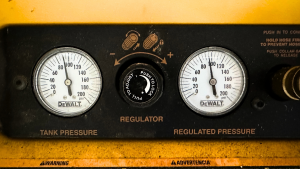
Air Compressor Gauge in a Pulse Jet Dust Collector

The pressure supplied by the compressed-air system must be high enough to clean the entire length of the bag during the pulse.

In our previous article The Importance of Dry and Clean Compressed Air in a Pulse Jet Industrial Dust Collector, we discussed the importance of using dry and clean compressed air. Along with this requirement, it is also very important that the compressed air is set at the correct pressure.  

Optimize Dust Collector Compressed Air Pressure to Balance Filter Life, Efficiency and Airflow 

The pressure supplied by the compressed-air system must be high enough to clean the entire length of the bag during the pulse, but not so high that it damages the upper portion of the bag. Insufficient cleaning of the bag may gradually increase pressure drop and reduce the useful bag life. 

If the compressed-air pressure is too low, which is usually more common than excessive pressure, it may be caused by wear of the compressor rings, leakage in connections, or excessive draining of the reserve of the compressors by other equipment tied to a common supply line. Additionally, if the pulse valves, air header tanks or connecting pipes on the unit itself have leaks, then the absolute pressure or the effective pressure at the blowpipe will be lower. 

Importance of Compressed Air for Pulse Jet Baghouse Operation

Air Compressor

If the compressed-air pressure is too low, it may cause excesive wear of the compressor components

For most applications using felted filter media, compressed air at roughly 70 PSI (Per Square Inch) is adequate for proper cleaning of the filter elements. Pressures between 100 and 120 PSI may be recommended for some difficult  applications where other options to improve cleaning efficiency are not viable. Operators running their systems at pressures above 100 PSI should first consult a dust collection expert at Baghouse.com for advice and recommendations on how to improve performance.

Compressed air pressures below 70 PSI may be required under special circumstances such as when using cartridges, pleated filter elements or with certain filter medias such as fiberglass. These situations often call for special design and sizing of the dust collector in order to function correctly.

Guidelines for Setting Compressed Air Pressure on a Pulse Jet Baghouse

Pulse Jet Air Compressor Gauge

If filters are not cleaning sufficiently, raising the air pressure may be one of several things to try to improve operation.

The following general guidelines can help you to set the the correct pressure of compressed air for your baghouse: 

  • — Start at 60 PSI and go up as needed by the application. At no point should it go above 100 PSI unless advised to do so by a reputable dust collection systems engineer.
  • — Pleated filter systems and cartridge systems may use much lower PSI for cleaning depending on the design of the unit and the application (airflow, dust load on filters, how hard the dust is to pulse off, moisture problems, etc.)
  • — If filters are not cleaning sufficiently, raising the air pressure may be one of several things to try to improve operation. However, it alone will not solve the problem in most cases. Often, fixing other problems such as high can/interstitial velocity, will improve things so that you can actually lower the PSI and have better cleaning. 

For help optimizing your dust collection system please contact Baghouse.com for more information or to arrange a site visit and/or training course.

, ,

¿Por qué utilizar técnicos experimentados para su próximo cambio de filtros?

While many facilities often choose to install replacement filters using in-house labor, usually to keep costs down, it is not always the best idea to simply assume that using in-house labor is the best option. Here’s why relying solely on your maintenance staff for baghouse filter installation may not be the best option.

The Risks of Using In-House Labor

Dust leaking due to incorrect installation of filters

Improperly installing the bags (not sealing them correctly, improper tension, etc.) can lead to leaks and early failure of the bags

When workers without specialized training attempt to service a baghouse, several issues can arise. For example, filter bags, particularly those with PTFE membranes, are fragile and require careful handling. Untrained personnel can easily damage the bags during installation, leading to early failure or leaks. Furthermore, incorrect installation techniques, such as failing to properly seal the bags or applying incorrect tension, can result in compromised system performance and costly downtime.

In addition to potential damage, in-house workers might not be familiar with the unique safety hazards associated with baghouses. This can lead to injuries, further increasing costs for the facility.

Efficiency Concerns

Even if the installation is completed without incident, it usually takes much longer for in-house labor to replace filters compared to a trained baghouse service team. Experienced technicians understand the design and operation of various baghouse types and can perform replacements safely and efficiently. When in-house teams handle filter changeouts, it often leads to delays, increased labor costs, and extended facility downtime. These delays are especially costly when mistakes are made during installation, requiring additional resources later to fix the problems.

For instance, one facility chose to have its regular maintenance workers replace filters in 18 compartments, each containing 200 reverse-air filters with springs and chains. The in-house team took an average of three days to replace the filters in one compartment, often making mistakes like improperly sealed bags or incorrect tension. In contrast, a professional crew completed the same work in just four compartments per day while also addressing additional maintenance tasks such as scraping rust scale from walls and performing leak tests.

Benefits of Hiring Professional Baghouse Technicians

Blowpipe support rusted and broken

Professional crews are trained to recognize underlying problems that may go unnoticed by in-house teams, such as broken supports of blowpipes, as seen here

Hiring expert Baghouse.com technicians can save facilities time, money, and resources. Professional crews are trained to recognize underlying problems that may go unnoticed by in-house teams, such as warped metal, failing welds, moisture issues, and abrasion damage. These early detections can prevent more serious issues down the line.

Conclusión

While using in-house labor to install baghouse filters may appear to be a cost-effective solution, the risks of improper installation, safety hazards, and inefficiencies can quickly outweigh any potential savings. In many cases, outsourcing this task to professionals pays for itself through increased efficiency and reduced risk.

Ready for your next filter changeout?

Would you like a quote on filters and cages, along with the changeout service?


, , ,

The Importance of Dry and Clean Compressed Air in a Pulse Jet Dust Collector

All industrial baghouse systems are designed with various cleaning methods in order to ensure correct operation and longevity of the baghouse filter. 

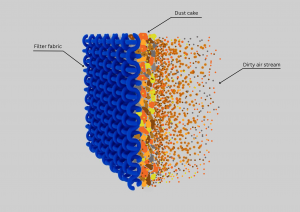
Dust collector filter diagram with air stream breaking the dust cake

As the bag flexes, the dust cake (built up dust on surface) fractures falls into the hopper below.

Today, the most common cleaning method used in industrial dust collectors is pulse jet or reverse jet cleaning. These methods involve removing the dust from the bag filters using a blast of compressed air. The air blast creates a shock wave that causes the bag to flex or expand as the shock wave travels down the bag. 

However for trouble and maintenance free operation, it is extremely important that the compressed air used in the system is clean, polvo precapa and at the correct presión. In this article we will concentrate on the importance of dry and clean compressed air. A discussion on the importance of proper air pressure will be covered in a another article. 

Clean, Dry and Oil Free Compressed Air

Dirt, rust, and scale can prevent diaphragm valves from operating properly. Moisture can cause valves to freeze in cold weather.

Moisture and oil can also cause deterioration of the valve diaphragms, and if the interior of the filter bags become coated with moisture and/or oil, eventual blinding of the filter media will occur. Blinding of the filter material occurs when the filters become so impregnated with dust in the depths of the fabric that you cannot clean them 100% anymore and the airflow through them will never go back down, resulting in premature failure of the baghouse filters. 

A Liquid Moisture Trap (automatic moisture drain) must be installed on the compressed air receiver.

How to ensure the Compressed Air is:

Clean

In order to trap small amounts of dirt, rust and scale, a small dirt leg is installed at the point where the air line connects to the compressed air header. In situations where large amounts of dirty rust and scale are present, and inline filter or a centrifugal separator is required. 

Dry

A Liquid Moisture Trap (automatic moisture drain) must be installed on the compressed air receiver.

A Liquid Moisture Trap (automatic moisture drain) must be installed on the compressed air receiver.

There are a number of solutions to ensure that the Compressed air remains dry. For example a Liquid Moisture Trap (automatic moisture drain) must be installed on the compressed air receiver. These automatic drains come in a variety of float, piston, and pilot operated types. When small amounts of moisture are present it can be handled by inline air filters with automatic drains. For large amounts of moisture, a centrifugal separator and chemical dryer may be required. For more specific situations, for example climate and indoor temperatures, other methods are used to ensure the compressed air remains dry.

Much of the above mentioned equipment used to remove moisture can also be used to remove oil and oil mist. For installations where oil and oil mist are the major problem, inline filters are available that use desiccant adsorptive elements or packed beds of an oil absorbing granular organic polymer.

Conclusión

Diagram of a pulse jet system

During regular operation, Pulse Jet Industrial filtering systems do not stop the flow of dirty air into the baghouse and it is the only true “online cleaning” method.

Bag cleaning cycles are initiated to keep the overall pressure drop across the baghouse within the designed range. Therefore the importance of clean, dry, oil free compressed air cannot be over emphasized. However another important factor to take into consideration is the pressure of the compressed air. This will be discussed in an upcoming article.

For further information or to arrange a site visit, please contact us at Baghouse.com.

¿Qué es un filtro HEPA secundario y cuándo necesito uno?

In the search for cleaner indoor air, many industries face the challenge of maintaining optimal air quality within their facilities. One effective solution is incorporating a dust collection system equipped with a High Efficiency Particulate Air (HEPA) after-filter. Let’s review some of the most frequent questions regarding this type of filter.

HEPA filter at industrial facilities
Positioned on the clean air side of the unit, the HEPA after-filter acts as a secondary filtration stage, capturing even the tiniest microscopic particles before the air is returned to the facility.


Question: How Is a HEPA filter made?

Answer: HEPA filters are made from polyester, polypropylene, or fiberglass fibers that are tightly interlaced with diameters of less than one micron. The fibers are twisted, turned, scattered, and randomly placed in different directions to create a mesh maze without a straight through path. The openings between the fibers are smaller than a half micron, which is why HEPA filters can catch particles smaller than 0.3 microns.

Question: How Does a HEPA After-Filter Work?

Answer: When a dust collector draws in dirty air and dust particles, the primary filters capture larger particles while allowing cleaner air to pass through. However, ultrafine particulates may still escape through the primary filters. Here’s where the HEPA after-filter comes into play. Positioned on the clean air side of the unit, the HEPA after-filter acts as a secondary filtration stage, capturing even the tiniest microscopic particles before the air is returned to the facility.

Inside a HEPA filter
HEPA filters are made from polyester, polypropylene, or fiberglass fibers that are tightly interlaced with diameters of less than one micron

Question: How is a HEPA filter different from regular filters?

Answer: The main difference between a HEPA filter is that it is made of thin fibers of glass and activated carbon-based materials. Regular filters are made of porous materials like cotton, paper sheets or polyester. Most importantly, HEPA filters offer much higher filtration efficiency (MERV 16 or higher) compared to a standard fabric filter.

Question: ¿Cuándo necesito un filtro HEPA?

Answer: Considera incorporar un filtro HEPA posterior en los siguientes escenarios:

  • — Si tu proceso genera partículas finas que representan riesgos para la salud o pueden contaminar productos.
  • — Cuando las normativas o los estándares industriales exigen una calidad de aire excepcionalmente alta.
  • — Si el polvo recolectado contiene materiales peligrosos, alérgenos o carcinógenos.
  • — Cuando se busca recircular aire filtrado de vuelta a la instalación, lo que requiere aire más limpio para mejorar la calidad del aire interior.

Question: Does a HEPA After-Filter Help Against COVID-19?

Answer: Yes. By incorporating a HEPA after-filter into your dust collection system, you can significantly reduce the risk of airborne transmission of the virus within your facility. While other safety measures like social distancing and mask-wearing are essential, purifying the air with a HEPA filter adds an extra layer of protection.

Different stages of a HEPA after filter
HEPA after-filter serves as a powerful ally when searching for cleaner indoor air quality, particularly in industrial settings


Question: What Does it Cost to Add a HEPA After-Filter?

Answer: First, the size and quantity of HEPA filters for your system will depend on the airflow of your system. Each HEPA filter is sized for a specific airflow, and multiple filters may be required to meet the required airflow and static pressure requirements of your system. Once the quantity, size, and type of HEPA filter is determined, a HEPA filter housing is needed to house the filters, along with ductwork to connect your HEPA filters to your existing dust collection system, and route clean air to the desired location. A Baghouse.com dust collection specialist can help you size and spec out a HEPA after-filter and provide a quote for your project.


In conclusion, a HEPA after-filter serves as a powerful ally in the ongoing battle for cleaner indoor air quality, particularly in industrial settings. Baghouse.com can provide expert guidance in selecting the right HEPA filter and offer comprehensive support from installation to maintenance. 


Do you have any additional questions regarding the HEPA filters? Contact us today to discover how we can enhance your dust collection system with HEPA filtration.


Habla con uno de nuestros expertos en recolectores de polvo


Para obtener más capacitación e información relacionada con colectores de polvo, asegúrese de visitar nuestra página de Baghouse Training haciendo click aquí.

, ,

¿Por qué algunos filtros son más caros que otros?

¿Por qué algunos filtros son más caros que otros?

Baghouse.com sells a lot of filters each year, including thousands of bag filters and cartridge filters in the most common configurations as well as just about every type of unusual or obsolete filters that are still found in baghouses around the country.

While we are one of the most experienced companies in the industry, with a huge network of filter fabrication shops and the economies of scale that come with large volume manufacturing, our filter prices are not always the cheapest – why not?

The answer comes down to two factors: filter design and filter quality.

Filter Design: The Right Filter for the Application

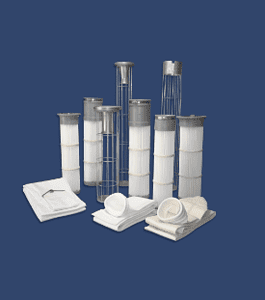
Filter and cages

Baghouse filters are used in a vast range of industries and applications

Baghouse filters are used in a dizzying range of industries and applications, from nut processing to aerospace manufacturing to battery recycling to silica mining. Every application has a specific dust type, air temperature, air flow and velocity, dust content, and chemical profile that must be understood to properly identify the correct filter media for the application. To further complicate matters, just about every dust collector manufacturer designs their equipment to use a very specific filter size and configuration – from shaker filters with hangers, to top-load baghouses with snap-bands and cages, to bottom-load baghouses with thimbles and band clamps. The variables are virtually endless.

The cost of your filters of the lifetime of a dust collector depends on having the correct filters installed. Use the wrong filter media and the filters will be damaged quicker – the wrong configuration or size and they will leak, requiring replacement sooner.

Some filter designs are less expensive than others – a standard top-load bag filter made from 16-ounce polyester fabric is produced in large volumes and is thus less costly than a specialty fabric (Aramid, for example). However, if your gas temperature spikes higher than 275 degrees F. Using the wrong filter will result in an early failure and the cost of a new set of bags.


Summary: Selecting the correct filter design will result in the lowest total cost of filters in the long run.

Filter Quality: Risks of Selecting the Lowest Bidder

Assuming you have selected the correct filter media, filter configuration, and size, your purchasing decision should just be to select the lowest price offer right? Not so fast – just like some car manufacturers offer better quality than others, not all filter makers are equal. The biggest differentiator is quality.

Baghouse.com personnel recently evaluated a dust collection system at a new customer. The customer wanted to know why their filters had failed prematurely. The baghouse was processing gypsum dust with a very fine particle size requiring a PTFE membrane, used for high-efficiency filtration of fine dust. However, shortly after installing the filters, the customer noticed that their emission limits were well over their permitted limit.

Microscope image of bag filter

Microscope view of this filter shows PTFE (white) was sprayed on, not applied via a membrane.


Baghouse.com sent a filter sample to the lab and discovered that, instead of a PTFE filter membrane, the filter manufacturer had sprayed on a PTFE layer which left large gaps in the PTFE coverage of the filters, allowing dust to pass through and into the atmosphere. The purchasing specialist at this customer had chosen these filters due to the lowest quoted price, but the result was the purchase of a new set of higher-quality filters, much sooner than anticipated.

Summary: Focus on long-term cost, not just the lowest price tag.

Expertise & Quality

En Baghouse.com, our mission is to be the most trusted name in dust collection. That means that we never offer a sub-par product, either an improperly designed filter or a low-quality filter, to win business from our competitors.

With our 40 years in the industry, our team of experts will ensure that any filter we sell is the correct design for your application. Additionally, the filters we sell are the highest quality and made in the USA. We expect our customer relationships to last a lifetime, not just until we get a PO in hand. We may not always be the lowest bidder, but we strive to offer the most long-term value for our customers.

Other Causes of Baghouse Filter Failure

The four main reasons why baghouse filters fail prematurely are abrasion, exceeding the maximum operating temperature, chemical attack and fire. All of these can dramatically shorten the the life of a baghouse filter as well as cause serious damage to the baghouse system*. However there are other lesser known causes that can cause premature dust collector filter failure. Let’s review them.

“If the filter system is undersized, then the filters will suffer increased wear…”

Colector de polvo subdimensionado para el flujo de aire (CFM)

It is essential that an industrial baghouse system be carefully engineered and sized to handle the right amount of air flow (CFM) for the application. If the filter system is undersized, then the filters will suffer increased wear.  Additionally, an undersized system will eventually lead to inadequate air flow, poor venting that can damage equipment, higher emissions, loss of reclaimed product and a hazardous work environment.

A dust collector can be undersized in two main ways: (1) by not having enough filters for the airflow, and (2) by having too much airflow through too small of a unit, thus creating high internal can/interstitial velocity.

Sadly, many less reputable sales reps and even some dust collector OEMs often undersize systems in order to undercut their competition on price. Other times, plants have tried to increase system capacity without consulting with an experienced dust collector manufacturer and even up overloading their units.

Filtro incorrecto (material o estilo)  

The choice of baghouse filter media depends on a number of factors, such as temperature, resistance to chemicals, target dust size, physical characteristics, collection efficiency and price. If the choice of fabric is unsuitable for the application required, this can have a dramatic reduction in the lifespan of the filter.

For example, trying to use a low temperature filter fabric such as polyester (max temp 250F – 275F) in a high temperature (300F – 500F) baghouse system will quickly result in filter failure. 

Often, operators must consider more than just the maximum temperature as the mix of temperature, humidity and chemical makeup in the gas stream can cause failures if not accounted for when selecting the media. For example, in many gypsum applications the temperature is not normally very high (under 200F) so polyester media might seem to be a good choice. However, the combination of elevated temperatures and high humidity can cause the gypsum to react with the polyester and cause hydrolysis, which leads to the bag becoming hard and brittle. For this reason many gypsum applications used aramid filters even though the temperature normally would allow for cheaper polyester bags.  

Finally, many suffer problems due to using cartridge filters where a bag filter is more appropriate. Man applications can make good use of cartridge collectors to improve operation and reduce the overall cost of a system. However, we often see people try to use cartridges in applications ill-suited for them such those with irregular-shaped material, sticky materials, or high temps.


An image of a baghouse filter that has hardened from hydrolysis
Picking the right fabric for the right temperature isn’t everything. This is the effect of hydrolysis on an improperly selected baghouse filter.

Jaulas dobladas o dañadas

During regular maintenance or when stored improperly, cages can be bent, damaged, warped and or even corroded. Using baghouse filter cages in this condition will lead to the filters failing prematurely. When a cage is bent or damaged, sharp points can form from broken wires and cracked welds that can physically damage the filter creating tears and holes.  If rust or corrosion is present on the cage, this creates abrasion and leads to tears and holes in the filter. Additionally, bent cages will cause the bags to hit each other or the sides of the housing when they are pulsed creating localized wear spots.

An image of a PTFE filter with two small holes in its fabric
Have you reused rusted or bent baghouse filter cages and then seen holes in your filters like these?

Mala instalación

Improper installation of filter bags can also result in early bag failure and loss of cleaning effectiveness. For top load pulse jets, the most common install errors involve not seating the snap band properly. For a bottom load unit the bag not being folded over the top of the cage properly, poor clamp placement and tightening the clamp too much or too little are all common. 

Additionally, duct design, turning vanes and deflection plates all contribute to uniform gas distribution to all filters. However poor installation of these elements can result in high airflow regions that will abrade the filter bags.  Rough handling such as bending or stepping on the bags during installation or improper tensioning can also cause holes or tears in the bag filters reducing their strength and durability.

Humedad

An image of dust collection filters completely covered in build-up from moisture
Please tell us that you check your baghouse filters enough before letting moisture build up this badly.

Common sources of condensation and moisture in a baghouse are leaking gaskets around the doors and airlocks or upset conditions in the process.  Moisture can weaken the filter media, causing filter leaks or failures, and allow dust to bypass the filters. It can also alter the adhesion characteristics of the dust creating hard-to-clean mud and blinding of the filter. Moisture can also create chemical issues within the baghouse. For example, acid gases mixed with high moisture can cause an acid flash. This is where the acids condense out of the gas stream and damage the filters and housing. 

As discussed in this and the previous article, there are a number of reasons why industrial baghouse filters fail prematurely. Baghouse.com has experience helping many with these and other problems find solutions to get their systems back to peak performance. For more information and to arrange a quote for all your baghouse requirements, please contact us at Baghouse.com

* See article “Top 4 reasons why baghouse filters fail


Need Help Ordering Baghouse Filters?

Whether you know exactly what you want or could use some help getting the right dust collection filter, we’ll put together a free quote with the perfect filter for you.