

In Texas, the EPA has informed a sizable number of oil refiners, chemical and plastics manufacturers that they need to bring their air pollution permits in line with federal and not Texas state levels.
All but three of the 74 companies have informed the Environmental Protection Agency that they will bring the state-issued permits into compliance with federal law within the next year.
This action is in response to the on-going conflict between federal air quality standards, and Texas state legislation which allows for so-called flexible permits. The permits in question require refineries, chemical plants and other facilities to meet an overall emissions cap but allows them to choose how to do so. Federal rules, however, require plants to limit emissions of certain pollutants from each source within a facility.
With this turn of events, it appears that even while Texas is still battling the EPA on this issue, industry in general in Texas is bringing itself in line with federal standards.
Commenting on Texas industries Al Armendariz, the EPA’s administrator based in Dallas stated “They understand these permits are an anomaly,” adding that none of the companies has indicated that it will sue to keep its flexible permit. “It’s now a question of how do they fix them instead of whether they should”.
Texas has filed suit to block the EPA’s disapproval of flex permits, asserting that there is no legal or technical justification for the federal agency’s action.
The EPA rejected the state’s use of the permits in June, saying they fall short of the federal Clean Air Act’s requirements. But those with the permits reacted slower than Armendariz liked, so he threatened fines and other penalties if they did not move by Dec. 22 to resolve their permits.
The EPA would not say which companies failed to meet the deadline because of the possibility of taking enforcement action against them. But Armendariz said his staff had heard from the 30 largest permit-holders, which account for roughly 90 percent of emissions released under flexible permits.
Pam Giblin, an Austin-based Baker Botts attorney who represents many large flexible permit holders, said industry waited to respond until the EPA had explained how to make their permits comply — and not in protest.
Pollutants and permits
The single overall cap, the EPA argues, makes the Texas permits nearly unenforceable and allow plants to emit more than similar facilities in other states. But state officials say the system cuts red tape and pollution without violating federal law.
TCEQ spokesman Andy Saenz said companies “must decide for themselves how to deal with EPA’s overreaching and unnecessary regulatory demands. The TCEQ is not requiring any ‘fix’ but the agency is accommodating any legally viable transition option that flex permit holders may choose to exercise.”
The EPA has encouraged companies to follow the leads of Flint Hills Resources and INEOS Olefins & Polymers USA – both of which agreed to apply for new state-issued permits after negotiating some terms and conditions with the federal agency.
That’s important because the agreements ensure that the state permits will meet federal requirements, said Ilan Levin, an attorney with the Environmental Integrity Project, which has filed legal challenges to some of the flexible permits.
Request for transparency
“The devil is in the details, and the TCEQ hasn’t been willing to guarantee that these be done in a transparent way,” Levin said.
Valero Energy Corp., for example, has asked TCEQ to set limits for each emissions source at its plants, but to leave the rest of the permit alone. The state has issued new permits for five of the San Antonio company’s six Texas facilities, although the EPA has raised concerns about whether the revisions are federally compliant.
Valero spokesman Bill Day said the company is talking with the EPA to resolve their differences.
About the Author
| Dominick DalSanto is an Author & Environmental Technologies Expert, specializing in Dust Collection Systems. With nearly a decade of hands-on working experience in the industry, Dominick’s knowledge of the industry goes beyond a mere classroom education. He is currently serving as Online Marketing Director & Content Manager at Baghouse.com. His articles have been published not only on Baghouse.com , but also on other industry related blogs and sites. In his spare time, Dominick writes about travel and life abroad for various travel sites and blogs.
Director of Operations | Dust Collection Specialist | Industrial Filtration Consultant
Dominick DalSanto is an author and environmental technologies expert specializing in dust collection systems. He has nearly a decade of hands-on working experience in the industry. Dominick is the sales director and sales technical advisor for an industrial dust collection equipment manufacturer. Personally took the lead on key projects each year from sales engineer to field advisor to project manager to business relations. Born in San Bernardino County, California, and raised in Chicago, he currently resides in Buenos Aires, Argentina.
https://baghouse.com/wp-content/uploads/2011/01/post56.png6431237Dominick DalSantohttps://www.baghouse.com/wp-content/uploads/2018/03/BH-Logo-Alt-01.pngDominick DalSanto2011-01-31 13:50:342026-06-22 13:27:51Battle Between Texas and EPA Over Emissions Permits
At least 281 combustible dust fires and explosions occurred in general industry between 1980 and 2005 in the United States, which caused at least 119 fatalities and 718 injuries; including seven catastrophic dust explosions in the past decade, involving multiple fatalities and significant community economic impact; and occurred in a wide range of industries and involved many types of combustible dusts.
According to a report by the US Chemical Safety Board (CSB), a major factor that led to the high number of incidents was the overall lack of education regarding the danger of dust explosions. Without this information, plant operators are not able to implement proper safety precautions and adequately train their personnel about the precautions they need to take to minimize the chance of a dust explosion occurring in their facility. This article has been prepared to help bring awareness to the dangers of dust explosions, and what precautions can be taken to avoid them.
A Dust Explosion that begins in the Dust Collection System can lead to the destruction of an entire facility.
Most solid organic materials, in addition to many metals and inorganic nonmetallic materials, when reduced to a finely divided size and sufficiently dispersed into the atmosphere, will explode under the right conditions. Many combustible dusts are intentionally manufactured for a wide range of applications, such as metallic powder coatings, or certain foodstuffs such as corn starch, flour, and granulated sugar. Others are produced during the manufacture and transport of materials, such as wood processing and stone quarrying. Additionally, during the manufacturing process for many materials, actions such as milling, polishing, and transportation may create substantial amounts of dust that can later accumulate on a wide range of surfaces.
Any industry that produces materials of a fine particle size that are combustible, and many that simply, through their day-to-day operation, create large amounts of secondary dust, are at risk for dust explosions. Industries such as metal, food, plastic, and wood processing are just a few that are at risk for this kind of industrial accident.
The Anatomy of a Dust Explosion
The Beginnings
The basics of combustion deal with the so-called Fire Triangle that illustrates the importance of the three main factors that need to be present for combustion to take place. These three are Fire, Heat (Ignition Source), and Oxygen. With regards to dust explosions, we need to add another two ingredients to create what has been termed the Dust Explosion Pentagon: Dispersion and Confinement. When all five of these factors are present in the right balance, a dust explosion will occur. The more of these factors that can be controlled or kept below the combustion threshold, the less likely there will be an incident.
Fire Triangle and Explosion pentagon
When a material is finely divided into a dust or powder form, it is, in most cases, it becomes much more likely to combust than it would in a solid state. The reason for this is that when a material is smaller in size and is dispersed into the air, it creates a much larger surface area to ignite. For example, a 1 kg sphere of a material with a density of 1g/cm3 would be about 27 cm across and have a surface area of 0.3 m3. However, if it was broken up into spherical dust particles 50µm in diameter (about the size of flour particles) it would have a surface area of 60 m² This greatly increased surface area allows the material to burn much faster, and the extremely small mass of each particle allows it to catch on fire with much less energy than the bulk material, as there is no heat loss to conduction within the material.
The source of ignition in a dust explosion is often very difficult, if not impossible, to determine with absolute certainty. This is because in an industrial setting, there is a larger amount of possible ignition sources, and after an incident, it cannot always be pinpointed with absolute certainty. Some possible sources include Open Flames, Electrostatic Discharge, Friction, Chemical Reactions, Arcing (From machinery or other equipment), and Hot Surfaces.
Primary and Secondary Explosions
Primary dust explosions, in an industrial setting, usually involve a dust cloud (dispersed dust) that is ignited by an ignition source. This explosion, while possibly involving a substantial amount of dust, is often not the most devastating. That is because this initial explosion can cause a pressure wave that can dislodge settled dust from other areas within a facility (Such as on the top of structural elements like beams and columns, high shelving, and machinery, or other areas that dust and debris may collect), causing it to disperse and then cause a much larger explosion that is termed a Secondary Dust Explosion. The majority of fatalities and damage caused by dust explosion incidents are actually caused by Secondary Dust Explosions.
Conditions That Lead To A Dust Explosion
The same CSB report cited earlier, after having discussed several different industrial dust explosion incidents, concluded that while all had many different factors that contributed to the respective incidents, all had the following circumstances in common:
⦿ Facility management failed to conform to NFPA (National Fire Protection Association) standards that would have prevented or reduced the effects of the explosions. ⦿ Company personnel, government standards enforcement officials, insurance underwriters, and health and safety professionals inspecting the facilities failed to identify dust explosion hazards or recommend protective measures. ⦿ The facilities contained unsafe accumulations of combustible dust, and housekeeping to remove such accumulations was inadequate. ⦿ Workers and managers were often unaware of dust explosion hazards. ⦿ Procedures and training to eliminate or control combustible dust hazards were inadequate. ⦿ Previous fires and other warning events were accepted as normal, and their causes were not identified and resolved. ⦿ Dust collectors were inadequately designed or maintained to minimize explosions. ⦿ Process changes were made without adequately reviewing them for potential hazards.
Listed here are a few of the summary reports published by the CSB. As you will see, the above-mentioned factors all played a role in the eventual incidents.
In February 1999, a deadly fire and explosion occurred in a foundry in Massachusetts. The Occupational Safety and Health Administration (OSHA) and state and local officials conducted a joint investigation of this incident. The joint investigation report1 indicated that a fire initiated in a shell molding machine from an unknown source and then extended into the ventilation system ducts by feeding on heavy deposits of phenol formaldehyde resin dust. A small primary deflagration occurred within the ductwork, dislodging dust that had settled on the exterior of the ducts. The ensuing dust cloud provided fuel for a secondary explosion, which was powerful enough to lift the roof and cause wall failures. Causal factors listed in the joint investigation report included inadequacies in the following areas:
⦿ Housekeeping to control dust accumulations; ⦿ Ventilation system design; ⦿ Maintenance of ovens; and, ⦿ Equipment safety devices.
In January 2003, devastating fires and explosions destroyed a North Carolina pharmaceutical plant that manufactured rubber drug-delivery components. Six employees were killed and 38 people, including two firefighters, were injured. The U.S. Chemical Safety and Hazard Investigation Board (CSB), an independent Federal agency charged with investigating chemical incidents, issued a final report concluding that an accumulation of combustible polyethylene dust above the suspended ceilings fueled the explosion. The CSB was unable to determine what ignited the initial fire or how the dust was dispersed to create the explosive cloud in the hidden ceiling space. The explosion severely damaged the plant and caused minor damage to nearby businesses, a home, and a school. The causes of the incident cited by CSB included inadequacies in:
⦿ Hazard assessment; ⦿ Hazard communication; and ⦿ Engineering management.
The CSB recommended the application of provisions in National Fire Protection Association standard NFPA 654, Standard for the Prevention of Fire and Dust Explosions from the Manufacturing, Processing, and Handling of Combustible Particulate Solids, as well as the formal adoption of this standard by the State of North Carolina.
In February 2003, a Kentucky acoustics insulation manufacturing plant was the site of another fatal dust explosion. The CSB also investigated this incident. Their report cited the likely ignition scenario as a small fire extending from an unattended oven, which ignited a dust cloud created by nearby line cleaning. This was followed by a deadly cascade of dust explosions throughout the plant. The CSB identified several causes of ineffective dust control and explosion prevention/mitigation involving inadequacies in:
⦿ Hazard assessment; ⦿ Hazard communication; ⦿ Maintenance procedures; ⦿ Building design; and, ⦿ Investigation of previous fires.
Finely dispersed airborne metallic dust can also be explosive when confined in a vessel or building. In October 2003, an Indiana plant where auto wheels were machined experienced an incident, which was also investigated by the CSB. A report has not yet been issued; however, a CSB news release told a story similar to the previously discussed organic dust incidents: aluminum dust was involved in a primary explosion near a chip melting furnace, followed by a secondary blast in dust collection equipment.
Prevention, Safety and Mitigation
Now that we have discussed many of the contributing factors that can lead to a dust explosion, we are going to highlight several areas that, if given the proper attention, will lead to a safer working environment and lessen the potential for property damage and bodily harm.
Hazard Analysis
We have discussed the great danger that dust explosions can pose to life and property. Now we have listed several areas that, if given the proper attention, will greatly reduce the probability of a dust explosion occurring, and should one occur, lessen the severity of said explosion, possibly saving lives and lessening the damage to the facility in the process.
Being aware that the possibility of a dust explosion exists is the first step to avoiding one. As mentioned previously, most dusts or powders will burn and, if dispersed in the air in the right proportions, may explode. The same CSB study quoted earlier found that despite the long history of dust explosions in industry, in many cases the hazards involved with explosive dusts were largely ignored by plant operators, as well as by outside insurance auditors and government inspectors. Therefore, recognizing the great potential for this kind of accident during the initial design of the facility and while doing regular hazard analysis is crucial.
Here are some of the items to look for when conducting a facility hazard analysis with regard to the potential for dust explosions.
Dust Combustibility
Above all else, it must be determined whether or not the various types of dust produced in the facility are indeed combustible. As stated before, most materials in dust or powder form will burn when dispersed into the air in the right proportions. However, those proportions vary with each material. Therefore, it is vital for those responsible to gather as much data as possible about the particular materials present in the facility. One potential source of said data is the particular material’s MSDS or Material Safety Data Sheet. In some cases, additional information, such as combustibility test results, will be available from chemical manufacturers. However, as noted before, many times a manufacturer’s MSDS may be lacking sufficient data regarding the combustibility of the material in dust or powder form. Therefore, additional testing may be necessary to determine this information.
Electrical Considerations
Areas that require a special electrical equipment classification due to the presence (or potential presence) of dubitable dust need to be identified during a facility hazard analysis. There are several published sources of guidelines and/or regulations regarding special electrical equipment classification. These include: The OSHA Electrical standard (29 CFR Part 1910 Subpart S), NFPA 70, the National Electrical Code®, and NFPA 499, Recommended Practice for the Classification of Combustible Dusts and of Hazardous (classified) Locations for Electrical Installations in Chemical Process Areas.
Several of these guidelines identify three different groups of combustible dusts (Metal, Carbonaceous, and Other) and the different safety considerations that are needed for each. For example Metal dusts are considered electrically conductive; therefore, special care needs to be taken to ensure that no electrical current can pass through layers of the dusts causing short circuits and arcs, which could then lead to an ignition. Additionally, in certain industrial settings, other high-energy ignition sources such as welding arcs may be present and need to be accounted for.
Potential For Dust Accumulation
The exact amount of dust accumulation necessary for an explosion to occur can vary greatly. As discussed earlier, variables such as particle size, methods of dispersion, ventilation system models, air currents, physical barriers, and volume of the area where the airborne dust exists can all vary in each different type of dust. With the site-specific data at hand, potential areas of concern can be identified. And the hazard analysis can then be tailored to the specific circumstances in each area and the full range of variables affecting the hazard.
Even seemingly small amounts of accumulated dust can cause catastrophic damage. The CSB estimated, for example, that the explosion that devastated a pharmaceutical plant in 2003 and killed six employees was caused by dust accumulations mainly under 0.25 inches deep. The NFPA warns that more than 1/32 of an inch of dust over 5 percent of a room’s surface area presents a significant explosion hazard.
Many different locations throughout a facility can be a potential starting point for a conflagration. An area where dust is concentrated is an obvious place to start. In dust collectors, for example, a combustible mixture of diffused dust and air can be found whenever the Collector is operating. Additionally, locations where dust can settle, whether occupied or concealed spaces (such as in ceiling rafters, the tops of shelving, etc). When conducting the Hazard Analysis, careful consideration needs to be given to all possible scenarios in which any previously identified settle dust can be dispersed into the air, either through normal operations or potential failure modes.
Precautionary Measures
After hazards have been assessed and hazardous locations are identified, one or more of the following prevention, protection, and/or mitigation methods may be applied.
Dust Control
Controlling the amount of dust generated, where it is generated, and the dispersion of it throughout the facility, is key to reducing the likelihood of an explosion occurring. The following steps should be taken in this regard:
⦿ Minimize the amount of dust that escapes from processing equipment and ventilation systems. ⦿ Install a Dust Collection System and monitor it closely to ensure it is operating properly. ⦿ Where possible, install materials (Surfaces) that collect dust poorly and facilitate easy cleaning. ⦿ Inspect and note all hidden or concealed spaces where dust accumulation might occur. ⦿ Maintain a set schedule for cleaning all dust-prone areas, and follow it closely. ⦿ Use cleaning methods that do not themselves generate dust clouds when ignition sources are present. ⦿ Locate Relief Valves away from dust hazard zones. ⦿ Maintain a comprehensive dust control program, with hazard dust inspections, testing, housekeeping, and control initiatives.
In several of the cases highlighted earlier, the initial explosion spread by means of ductwork that connected various equipment (usually the Dust Collection System, and/or different parts of the ventilation system) throughout the plant. It is therefore vital that these ductwork systems be fitted with isolation values and inspected regularly to remove excess sitting dust accumulations.
Additionally, certain dust-generating operations (such as the use of abrasives, blasting, grinding, or buffing) fall under OSHA (or similar governmental agencies) ventilation requirements.
Ignition Control
Along with dust control, controlling all possible ignition sources also plays a major role in any comprehensive Dust Control Program. Along with Electrical Considerations, there are many other areas that merit attention with regard to ignition potential. Here are several key recommendations for controlling possible Dust Ignition sources.
⦿ Proper Installation, Classification, Operation, and Maintenance of all Electrical Equipment and Wiring (Class II wiring methods and equipment such as “dust ignition-proof” and “dust-tight” should be employed) ⦿ Employ adequate Static Electricity control methods such as Grounding Wires/Rods, etc. ⦿ Limit Smoking, Open Flames, and Sparks in the work area. ⦿ Limit or isolate sources of mechanical sparks and friction ⦿ Separate foreign materials that may ignite combustibles from process materials. ⦿ Limit contact between heated surfaces and the heating system from combustible dusts. ⦿ Install spark arrestors/spark traps in all dust collector ductwork.
⦿ Further resources, including US regulations, guidelines, and recommendations, can be found in the following sources:
⦿ NFPA 654, Standard for the Prevention of Fire and Dust Explosions from the Manufacturing, Processing, and Handling of Combustible Particulate Solids ⦿ OSHA’s Powered Industrial Trucks standard (29 CFR 1910.178).
Damage Control
Despite the best efforts of all parties involved, incidents may still occur. It is therefore, the wise course of action is to prepare for the worst, and implement a strategy that will reduce the severity of such an incident should it occur. The following is a list of recommended steps to take to minimize the impact of a dust explosion:
⦿ Separate and segregate the hazard to the extent possible. Place distance between the hazard and the work area, and isolate the hazard with barriers where possible. ⦿ Install deflagration venting. ⦿ Install pressure relief valves on applicable equipment. ⦿
Spark Arrestor
Employ Spark/Ember detection systems and extinguishing equipment. ⦿ To the extent possible, install an explosion protection system, including sprinkler systems, and other assorted specialized suppression techniques.
Proper Employee & Management Training
Even with all of the aforementioned precautions, without a workforce, both employees and management, that have been properly educated about the dangers of dust explosions, and safety procedures to reduce the likelihood of their occurrence, and control, and limit the damage should they occur, there still remains a high degree of probability for a dust explosion occurring.
Employees
Workers who are trained in preventing and proper incident response techniques are integral to the safe operation of any facility. They are the people closest to the hazard; if these ones are trained to recognize and prevent these types of occurrences from taking place, they can accomplish much in this regard. These ones should also be encouraged to feel free to report unsafe working conditions or areas where there could be an improvement in safety standards. Therefore, all employees, whether they are working directly in hazard areas or not, should be adequately trained in safe work practices applicable to their job tasks, as well as on the overall plant programs for dust control and ignition source control. Periodic refresher courses should also be arranged to keep these safety issues fresh in their minds, and up to date with any possible changes to the hazard conditions themselves.
Management
A qualified team of managers should be responsible for conducting a facility analysis (or for having one done by qualified outside persons) before the introduction of a hazard and for developing a prevention and protection scheme tailored to their operation. Supervisors and managers should be aware of and support the plant dust and ignition control programs. Their training should include identifying how they can encourage the reporting of unsafe practices and facilitate abatement actions.
Conclusion
The dangers of a dust explosion are quite real; they have caused great amounts of property damage and have cost many lives. The importance of implementing a comprehensive dust control program, including hazard analysis, implementation of proven dust control and ignition control techniques, damage mitigation, and employee and management training, cannot be overstated.
View this video report by the CSB:
At Baghouse.com, we’ve worked with facilities across North America to evaluate combustible dust hazards, improve existing dust collection systems, and implement practical solutions that enhance both safety and performance. Whether your operation requires a Dust Hazard Analysis (DHA), explosion isolation, spark detection, system upgrades, or simply an independent evaluation of your current equipment, taking action before an incident occurs is always the safest—and most cost-effective—approach.
Director of Operations | Dust Collection Specialist | Industrial Filtration Consultant
Dominick DalSanto is an author and environmental technologies expert specializing in dust collection systems. He has nearly a decade of hands-on working experience in the industry. Dominick is the sales director and sales technical advisor for an industrial dust collection equipment manufacturer. Personally took the lead on key projects each year from sales engineer to field advisor to project manager to business relations. Born in San Bernardino County, California, and raised in Chicago, he currently resides in Buenos Aires, Argentina.
https://baghouse.com/wp-content/uploads/2011/01/post57.png6431237Dominick DalSantohttps://www.baghouse.com/wp-content/uploads/2018/03/BH-Logo-Alt-01.pngDominick DalSanto2011-01-19 12:41:382026-07-07 12:12:48The Potential for Dust Explosions in Dust Collection Systems
(Denver, Colo. – January 3, 2010) Gasco Energy, Inc., the former operator of the Riverbend Compressor Station on the Uintah and Ouray Indian Reservation near Vernal, Utah, has agreed to resolve alleged violations of the Clean Air Act at the facility by paying a $350,000 penalty and providing for air pollution controls at its facilities in the Uinta Basin. The U.S. Environmental Protection Agency (EPA) and the Department of Justice announced the details of the agreement under a consent decree lodged last Thursday in Salt Lake City.
“Under this agreement, Gasco and its successors will make significant investments to reduce emissions from facilities throughout the Uinta Basin,” said Jim Martin, EPA’s regional administrator in Denver. “EPA will continue to work with partners, including oil and gas operators, to protect air quality resources for the benefit of those who live in the basin.”
According to a complaint filed with the settlement, Gasco allegedly violated several provisions of the Clean Air Act at the Riverbend facility including emission standards for hazardous air pollutants, as well as federal permitting, emissions monitoring and reporting requirements. The company disclosed the violations voluntarily.
The compressor station at the Riverbend facility compresses field gas for transportation through a gathering line, and removes liquids and water from the gas by separation and dehydration. As part of the agreement, emission controls on dehydrators, compressor engines and storage tanks will be installed at Riverbend. In addition, Gasco and its successors will install no-bleed or low-bleed pneumatic controls on gas compressors and well heads at all operating facilities in the Uinta Basin. A pneumatic is a controller that uses pressurized pipeline gas to open or close valves. The use of low-bleed units reduces emissions of air pollutants and conserves product.
EPA estimates that measures taken as a result of this agreement, when fully implemented, will reduce air pollution by more than 550 tons per year. These reductions include 122 tons of carbon monoxide, 427 tons of ozone-forming volatile organic compounds and hazardous air pollutants per year. These pollutants can contribute to respiratory disorders such as asthma and reduced lung capacity, and many can adversely impact the heart, brain and nervous system. They can also damage ecosystems and reduce visibility.
Expected reductions of greenhouse gas emissions, including methane, are equivalent to the annual carbon sequestration of 7,300 acres of pine forest, or comparable to taking more than 6,600 cars off the road each year. These investments will also conserve product. The natural gas conserved is enough to heat more than 1,000 homes annually.
The consent decree was lodged in U.S. District Court for the District of Utah and is subject to a 30-day comment period and final approval by the court.
About the Author
| Dominick DalSanto is an Author & Environmental Technologies Expert, specializing in Dust Collection Systems. With nearly a decade of hands-on working experience in the industry, Dominick’s knowledge of the industry goes beyond a mere classroom education. He is currently serving as Online Marketing Director & Content Manager at Baghouse.com. His articles have been published not only on Baghouse.com , but also on other industry related blogs and sites. In his spare time, Dominick writes about travel and life abroad for various travel sites and blogs.

Director of Operations | Dust Collection Specialist | Industrial Filtration Consultant
Dominick DalSanto is an author and environmental technologies expert specializing in dust collection systems. He has nearly a decade of hands-on working experience in the industry. Dominick is the sales director and sales technical advisor for an industrial dust collection equipment manufacturer. Personally took the lead on key projects each year from sales engineer to field advisor to project manager to business relations. Born in San Bernardino County, California, and raised in Chicago, he currently resides in Buenos Aires, Argentina.

https://baghouse.com/wp-content/uploads/2011/01/13824428.jpg6901228Dominick DalSantohttps://www.baghouse.com/wp-content/uploads/2018/03/BH-Logo-Alt-01.pngDominick DalSanto2011-01-10 09:55:002026-06-22 13:27:49Gasco To Pay $350,000 Penalty, Install Air Emissions Controls For Violations At Compressor Facility
PHILADELPHIA (January 4, 2011) – Four Prisons in the State of Pennsylvania have reached a settlement with the Environmental Protection Agency of alleged Clean Air Act violations. The settlement with the Commonwealth of Pennsylvania’s Department of Corrections and the Department of General Services, includes provisions that will include new pollution control technology being installed, and additional reporting requirements at the four correctional facilities in Muncy, Bellefonte, Huntingdon and Somerset, Pa.
“Today’s settlement will improve the air quality in four Pennsylvania communities,” said Shawn M. Garvin, EPA Mid-Atlantic Regional Administrator. “It’s important that all sources of air emissions, including prisons, comply with environmental regulations to ensure that the standards are met in nearby communities.”
The exact terms of the settle require each location to make improvements to its boiler plants to reduce emissions, including particulate matter, sulfur dioxide and nitrous oxides. These pollutants can cause respiratory problems, exacerbate cases of childhood asthma, and create haze. Under the agreement, the Department of Corrections will also pay a civil penalty of $300,000.
The specific new improvements that are scheduled to be installed include a new Baghouse (Dust Collector) to reduce particulate matter at the Rockview facility. Other locations will switch from coal-fired boilers to cleaner gas-fired versions. In some locations the new gas-fired boilers will be installed, in others existing equipment will be used in a larger capacity, while phasing out the older coal-fired equipment.
This settlement has reporting obligations to ensure the prisons stay on schedule with the terms of the agreement. Should the facilities’ boilers fail to meet the requirements, they will be subject to stipulated penalties, ranging from $1,000 to $10,000 per day contingent on the type and length of the violation.
The settlement is subject to a 30-day public comment period and final court approval.
A full list of the proposed changes can be found below:
Baghouse to control particulate matter will be installed at the Rockview facility;
New gas-fired boiler units at the Laurel Highlands facility will be constructed;
Coal-fired boiler units at the Muncy facility will be shut down and replaced by an existing natural gas- fired boiler; and
The Huntingdon facility is required to either add particulate matter controls, or convert to gas-fired boiler units.
About the Author
| Dominick DalSanto is an Author & Environmental Technologies Expert, specializing in Dust Collection Systems. With nearly a decade of hands-on working experience in the industry, Dominick’s knowledge of the industry goes beyond a mere classroom education. He is currently serving as Online Marketing Director & Content Manager at Baghouse.com. His articles have been published not only on Baghouse.com , but also on other industry related blogs and sites. In his spare time, Dominick writes about travel and life abroad for various travel sites and blogs.
Director of Operations | Dust Collection Specialist | Industrial Filtration Consultant
Dominick DalSanto is an author and environmental technologies expert specializing in dust collection systems. He has nearly a decade of hands-on working experience in the industry. Dominick is the sales director and sales technical advisor for an industrial dust collection equipment manufacturer. Personally took the lead on key projects each year from sales engineer to field advisor to project manager to business relations. Born in San Bernardino County, California, and raised in Chicago, he currently resides in Buenos Aires, Argentina.

https://baghouse.com/wp-content/uploads/2011/01/post60-1.png6431237Dominick DalSantohttps://www.baghouse.com/wp-content/uploads/2018/03/BH-Logo-Alt-01.pngDominick DalSanto2011-01-07 10:29:422026-06-22 13:27:46EPA Forcing Penn. Four Prisons to Reduce Air Pollution
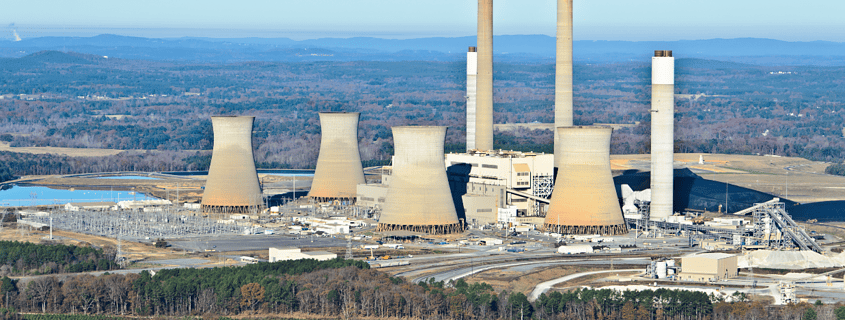
2010 marks the second year in a row that no new coal-fire power plants were constructed in the United States according to the Washington Post. However coal-fired plants remain the largest generator of electricity in the U.S. supplying approximately 50% of all power generated each year. Increasingly however factors such as the economy, lower natural gas prices, and environmentalist opposition, have effectively halted the growth of the coal industry.
Recent technological advancements in the extraction and production of natural gas have unlocked for use large domestic supplies previously thought unusable. This in turn has driven the cost of natural gas down dramatically. Reserves of natural gas found in Shale Rock formations, (or Shale Gas) are thought to be enormous, rivaling the oil reserves of the Middle East.
With many in the industry looking to natural gas as the future, including American Electric Power (AEP) America’s largest electricity generator, interest in new coal plants seems to be waning. Additionally according to a report from Deutsche Bank, if gas prices stay below $6, more plants will be converting from coal to gas.
“Coal is a dead man walkin’,” says Kevin Parker, global head of asset management and a member of the executive committee at Deutsche Bank. “Banks won’t finance them. Insurance companies won’t insure them. The EPA is coming after them…And the economics to make it clean don’t work.”
This however does not mean that the coal industry is dead. The coal industry still manged to have enough weight last year to kill the climate legislation (cap and trade) in the US Senate, showing it still has a lot of influence in politics and public opinion. Plus, even as it declines, it remains the number one source of electricity in America.
Further challenges await the coal industry this year from a different front. Beginning this year, the Environmental Protection Agency has new regulations scheduled to take effect to lower greenhouse gas emissions of power plants emitting over 75,000 tons of carbon dioxide per year. Such a rule would force industry to install state-of-the-art emissions controls on new construction in order to obtain the necessary air permits. Along with increased pressure from Washington, this means that existing coal-fired plants will be coming under heavy scrutiny to ensure that they are meeting all current Federal and State emissions regulations. With large fines, and negative publicity being the price of failing to meet the new standards.
About the Author
| Dominick DalSanto is an Author & Environmental Technologies Expert, specializing in Dust Collection Systems. With nearly a decade of hands-on working experience in the industry, Dominick’s knowledge of the industry goes beyond a mere classroom education. He is currently serving as Online Marketing Director & Content Manager at Baghouse.com. His articles have been published not only on Baghouse.com , but also on other industry related blogs and sites. In his spare time, Dominick writes about travel and life abroad for various travel sites and blogs.
Director of Operations | Dust Collection Specialist | Industrial Filtration Consultant
Dominick DalSanto is an author and environmental technologies expert specializing in dust collection systems. He has nearly a decade of hands-on working experience in the industry. Dominick is the sales director and sales technical advisor for an industrial dust collection equipment manufacturer. Personally took the lead on key projects each year from sales engineer to field advisor to project manager to business relations. Born in San Bernardino County, California, and raised in Chicago, he currently resides in Buenos Aires, Argentina.
https://baghouse.com/wp-content/uploads/2011/01/post61.png6431237Dominick DalSantohttps://www.baghouse.com/wp-content/uploads/2018/03/BH-Logo-Alt-01.pngDominick DalSanto2011-01-05 11:13:232026-06-22 13:23:57No New Coal Power Plants Built In U.S. In Last 2 Years
When most people hear the term industrial dust collection, they aren’t exactly sure what it means. Some picture giant vacuum cleaners. Others have never heard of it at all.
The reality is that dust collection systems quietly support nearly every aspect of modern manufacturing. They help produce the products we use every day, protect workers from hazardous dust, keep our air cleaner, and make industrial facilities safer and more efficient.
“Dust collection is one of those industries that people don’t notice until something goes wrong,” says Matthew Coughlin, Engineer and Owner of Baghouse.com. “But if you removed every dust collector from every factory tomorrow, manufacturing as we know it would come to a standstill.”
Here are five ways dust collection impacts our everyday lives.
Without proper dust collection, these particles can escape into the atmosphere, increasing the risk of human exposure to materials that may irritate the lungs or, in some cases, pose more serious long-term health risks.
“Dust isn’t just dirt,” explains Dave Dal Santo, Dust Collection Expert at Baghouse.com. “Depending on the process, it can contain silica, metal particles, chemicals, organic materials, or other compounds that people simply shouldn’t be breathing.”
Modern dust collection systems capture these particulate matter before they leave the facility, helping protect employees, neighboring communities, and the public.
2. Dust Collection Protects Our Environment
Since the Industrial Revolution, manufacturing has transformed the world—but it has also highlighted the importance of controlling industrial emissions.
Today, dust collection systems play a major role in reducing the environmental impact of manufacturing by filtering contaminated process air before it is released into the atmosphere.
By capturing particulate matter at the source, these systems help prevent dust from settling into nearby rivers, lakes, streams, and soil while improving local air quality for people, wildlife, and vegetation.
Modern filtration technology also allows many facilities to meet strict environmental regulations without sacrificing production efficiency.
“As manufacturing has evolved, so has filtration technology,” says Dominick Dal Santo, Sales Director and Baghouse Expert at Baghouse.com. “Today’s dust collectors are far more efficient than those used just a few decades ago, allowing facilities to dramatically reduce emissions while maintaining productivity.”
3. Proper Dust Collector Systems Help Keep Workers Healthy
In many industries, workers can be exposed to high levels of dust, causing breathing problems that could lead to life-threatening respiratory diseases.
One of the greatest dangers facing industrial workers is exposure to contaminated air. Another overlooked danger of large amounts of dust pollution is the very real threat of a dust explosion occurring. When certain kinds of dust are dispersed into the air in the right proportions, it can lead to a very violent explosion that can cause a massive loss of life. Through the operation of a Baghouse (Trade term for a Dust Collector), job site hazards are reduced, and worker safety is increased.
4. Dust Control Helps Keep Manufacturing Costs Down, Leading To Cheaper Products For You
Efficient dust collection systems help manufacturers reduce maintenance costs, minimize equipment wear, improve product quality, extend filter life, reduce downtime, and avoid expensive regulatory penalties.
Perhaps most importantly, they help prevent catastrophic events such as fires and dust explosions that can shut down production for weeks or even months. With an adequate Dust Control program in place, industry can avoid many costly accidents (Such as Dust Explosions) and attain a higher quality product.
When manufacturers operate more efficiently, they can produce higher-quality products at lower operating costs, savings that ultimately benefit customers as well.
“We often tell customers that the cheapest dust collector is rarely the least expensive to own,” says Dominick Dal Santo. “A well-designed system pays for itself over time through lower maintenance, better reliability, and improved production.”
5. Countless Products Could Not Be Manufactured With It
Food ingredients must be separated and conveyed without contaminating the workplace. Pharmaceutical powders require precise handling. Cement, minerals, chemicals, batteries, steel, paper, plastics, recycled materials, and wood products all depend on effective dust collection somewhere during manufacturing.
In many cases, the manufacturing process simply couldn’t operate without filtration and dust separation equipment.
Whether it’s the flour used to bake bread, the aluminum in a beverage can, the battery inside an electric vehicle, or the lumber used to build a home, dust collection technology plays a role behind the scenes.
More Important Than Most People Realize
Dust collection may not receive much public attention, but it supports countless industries that people depend on every day. It protects workers, safeguards the environment, improves product quality, keeps manufacturing efficient, and helps facilities comply with increasingly strict environmental and safety regulations.
As industrial processes continue to evolve, so will the need for smarter, more efficient dust collection solutions. Investing in well-designed systems, routine maintenance, and ongoing employee training doesn’t just improve plant performance—it helps create safer workplaces and more sustainable manufacturing for everyone.
The next time you walk through a manufacturing facility or use a product made from steel, wood, food ingredients, cement, paper, or recycled materials, remember that there’s a good chance an industrial dust collection system helped make it possible.
Director of Operations | Dust Collection Specialist | Industrial Filtration Consultant
Dominick DalSanto is an author and environmental technologies expert specializing in dust collection systems. He has nearly a decade of hands-on working experience in the industry. Dominick is the sales director and sales technical advisor for an industrial dust collection equipment manufacturer. Personally took the lead on key projects each year from sales engineer to field advisor to project manager to business relations. Born in San Bernardino County, California, and raised in Chicago, he currently resides in Buenos Aires, Argentina.