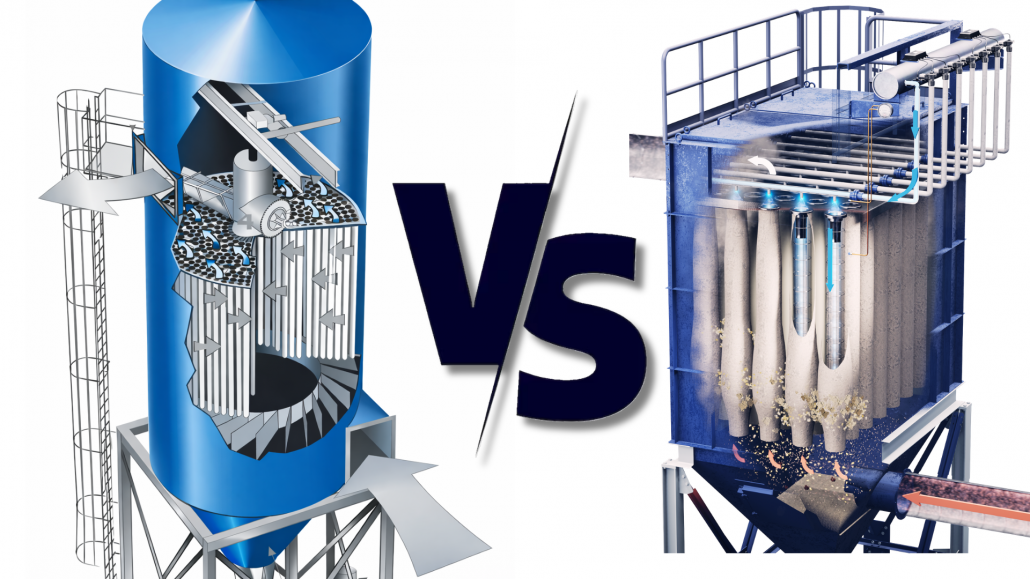

Woodworking operations—from small cabinet shops to large industrial mills—generate large amounts of dust every day. Fine sanding particles, chips from planers, and dust created during cutting and routing can quickly accumulate if they are not properly controlled. Beyond creating a messy workplace, wood dust can affect employee health, machine performance, facility cleanliness, and even introduce serious fire and explosion hazards.
To help address these challenges, our upcoming webinar, Designing Dust Collection Systems for Woodworking, will walk through the fundamental principles of building effective and reliable dust collection systems for woodworking applications. The session focuses on practical concepts, real-world design considerations, and common mistakes that many facilities experience.
Why Dust Collection Matters in Woodworking
A properly designed system plays a critical role in maintaining safe and efficient operations.
First, effective dust collection improves air quality for employees by capturing dust at the source before it enters breathing zones. This reduces exposure to fine airborne particles and helps maintain a healthier work environment.
Second, controlling dust helps maintain housekeeping and overall facility cleanliness. In large operations, dust production can reach surprising volumes—sometimes even filling trailer loads of collected material each day. Without an effective system, this dust would accumulate quickly across equipment and production areas.
Dust collection also plays a role in environmental compliance and emissions control. Facilities must often meet air quality regulations, and properly designed systems help ensure those requirements are met.
Perhaps most importantly, wood dust is combustible. When dust accumulates or becomes airborne in confined spaces, the potential for fires, flash fires, or explosions increases. A properly designed dust collection system helps reduce these risks by controlling dust where it is generated.
Finally, dust collection directly affects equipment performance. When dust is not captured efficiently, it can interfere with machinery, reduce efficiency, and lead to unnecessary interruptions to production.
Who Should Attend This Webinar
This webinar is designed for professionals involved in woodworking operations and facility design, including:
✔️ Plant managers
✔️ Maintenance managers and technicians
✔️ Engineers and system designers
✔️ EHS (Environmental, Health, and Safety) professionals
✔️ Operations managers
✔️ Wood shop owners and supervisors
Anyone responsible for operating, maintaining, or designing woodworking equipment and facilities can benefit from a better understanding of dust collection fundamentals.
How To Connect
Attending the webinar is easy! Simply register using the link below. Once registered, you’ll get a confirmation email with all the details to log in. Don’t miss it!
📅 Date: Wednesday, March 25th, 2026
⏰ Time: 1:00 PM (EST)
📍 WATCH NOW ON DEMAND
Why Attend
This webinar provides a practical overview of how dust collection systems work and how the different components interact. By understanding these fundamentals, attendees can better identify problems, make informed decisions when expanding or upgrading systems, and improve overall safety and performance.
The session will also include a live Q&A discussion where participants can ask questions and explore real-world challenges related to woodworking dust collection systems.
Whether you are planning a new system, troubleshooting an existing one, or simply looking to better understand how dust collection works, this webinar offers valuable insights to help you build safer, cleaner, and more reliable woodworking operations.