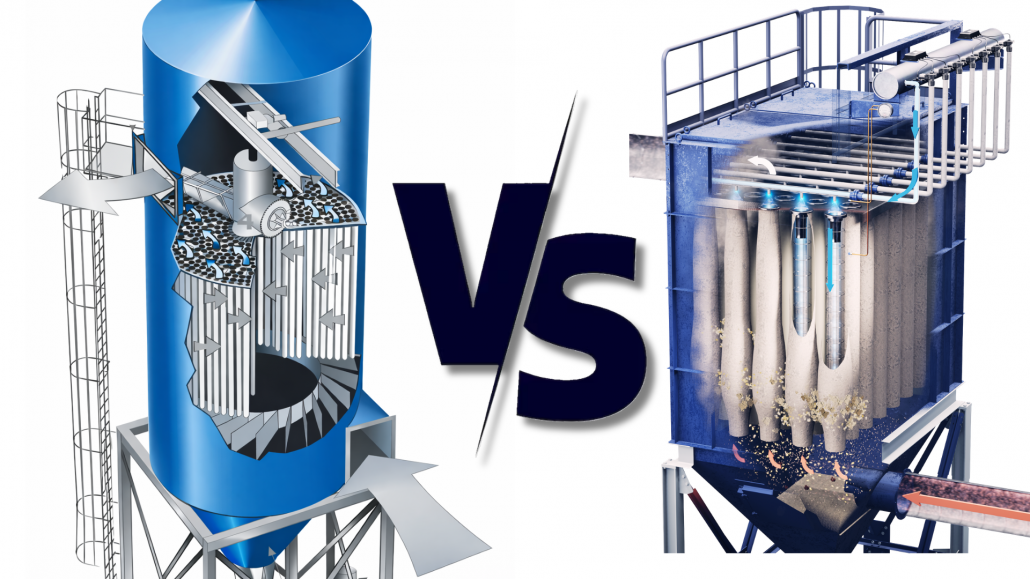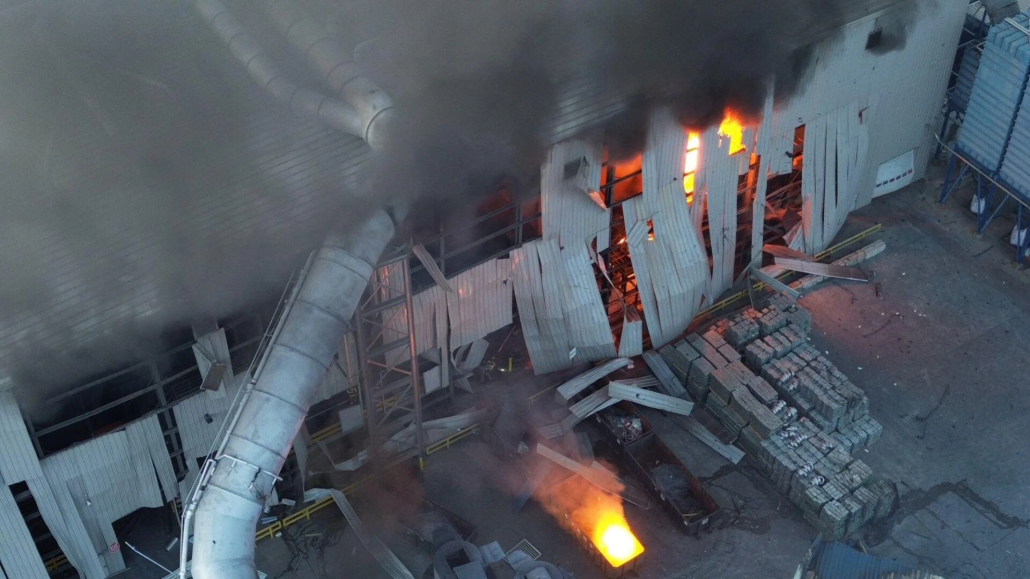
Dust control in woodworking facilities comes with a unique set of challenges, from managing fine particulate to addressing combustible dust risks and maintaining consistent system performance.
In this article, we’ve compiled some of the most common questions asked by plant managers, engineers, and shop operators… along with practical, easy-to-understand answers based on real-world experience from our webinar.
— "How can recirculating air be safely set up in a woodworking environment?"
Since wood dust is combustible, the main concern is preventing a fire or explosion from traveling back into the workspace. To do this, systems typically need explosion isolation valves on both the inlet and outlet sides of the collector, especially if the air is being returned indoors. Explosion venting is also critical, as it provides a safe path for pressure release in case of an event. In many cases, additional fire protection systems like spark detection and suppression may also be required.
Because every facility is different, it’s important to evaluate the full system design and ensure it aligns with NFPA guidelines and local regulations before recirculating air.
— "Can a dust collection system be overdesigned to avoid issues if a branch is added later?"
Yes, a system can be intentionally designed with future expansion in mind… but “overdesigning” needs to be done carefully. Simply oversizing everything can actually create inefficiencies, such as poor air velocity or unnecessary energy consumption.
A better approach is to plan for future capacity by selecting a fan and system that can handle additional airflow while still maintaining proper performance under current conditions.
— "What type of damper is typically used to balance dust collection systems?"
In most woodworking dust collection systems, balancing is achieved using blast gates rather than traditional dampers. Blast gates are simple mechanical devices installed at each branch line to control airflow.
They allow operators to open or close specific pickup points depending on which machines are running. This helps maintain proper airflow distribution across the system.
For larger or more complex systems, more advanced balancing methods may be used, but blast gates remain the most common and practical solution in woodworking environments.
— "How can blast gates be used in smaller applications to assist with balancing?"
In smaller shops, like schools or hobbyist environments, blast gates are especially useful because not all machines are running at the same time. By opening only the gates for active machines and closing the rest, you can direct airflow where it’s needed most.
This improves dust capture efficiency and helps maintain proper duct velocity without requiring a more complex control system.
It’s a simple, cost-effective way to manage airflow and keep the system performing properly in smaller-scale operations.
— "How much extra capacity should engineers consider when selecting a fan?"
Engineers typically include a safety margin when selecting a fan, but it shouldn’t be excessive. Adding some extra capacity helps account for system losses, future expansion, or unexpected conditions.
However, too much capacity can lead to inefficiencies, higher energy costs, and even operational issues if airflow exceeds optimal levels.
A well-designed system considers realistic operating conditions and includes just enough flexibility to handle variations without oversizing the equipment.
— "Do explosion vents come standard with dust collectors, or do they need to be specified during selection?"
Explosion vents are not always standard… they usually need to be specified based on the application. Since woodworking dust is combustible, most systems will require explosion venting to meet safety standards.
These vents are designed to relieve pressure safely in the event of an explosion, preventing damage to the equipment and reducing risk to personnel.
It’s important to address this during the design phase to ensure compliance with NFPA standards and proper system integration.
— "How do I determine the correct airflow required for each woodworking machine in my facility?"
The required airflow depends on the type of machine, the size of its dust port, and the capture velocity needed to effectively collect dust.
Typically, this is determined using industry charts and guidelines that specify CFM requirements for different machines and duct sizes. You then calculate the total system airflow by adding up all active pickup points.
Accurate airflow calculations are critical. Too little airflow leads to poor dust collection, while too much increases energy costs and system wear.
— "What are the warning signs that a dust collection system is undersized or not performing properly?"
Common signs include visible dust in the air, dust buildup on surfaces, and poor capture at machines. You may also notice frequent clogging in ducts or higher-than-normal differential pressure across filters.
Other indicators include reduced airflow, inconsistent system performance, or increased maintenance needs.
If these issues appear, it’s often a sign that the system isn’t moving enough air or isn’t properly balanced, and it may need to be evaluated or upgraded.
— "Are floor sweeps a good idea in woodworking facilities or can they create problems in the dust collection system?"
Floor sweeps can be convenient, but they need to be used carefully. If not properly managed, they can introduce large debris into the system, which may clog ducts or damage filters.
They also require sufficient airflow to work effectively, which can impact the performance of other pickup points if the system isn’t designed for it.
When included in the design, they should be properly sized and used strategically to avoid negatively affecting the overall system.
— "How do you properly size duct branches when multiple woodworking machines operate intermittently rather than continuously?"
When machines don’t run all at once, the system can be designed using diversity, what means that not all branches are assumed to be active simultaneously.
However, this requires careful planning. You still need to maintain proper velocity in all ducts when they are in use, which may involve balancing with blast gates or using controls like VFDs.
The goal is to ensure consistent performance regardless of which combination of machines is operating at any given time.
— "What type of filter media is typically recommended for softwood versus hardwood dust?"
In most cases, the type of wood (softwood or hardwood) doesn’t significantly change the filter media selection. Standard polyester filter bags or cartridges are commonly used and perform well in both applications.
What matters more is the dust loading, particle size, and operating conditions. Choosing high-quality filter media and maintaining proper cleaning cycles will have a bigger impact on performance and lifespan than the wood type itself.
Proper system design and maintenance are key to getting the most out of your filters.
Every woodworking facility is different, and dust control challenges can vary widely depending on your equipment, layout, and production demands.
If you didn’t see your question here—or if you’re dealing with a specific issue in your system—don’t hesitate to reach out. Our team is always available to help you find practical, effective solutions and guide you through any challenges you may be facing.
We’d be glad to answer your questions and support you in improving your dust collection system.