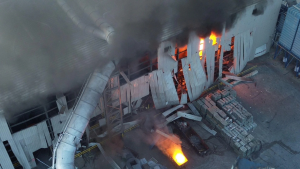
Un incendio daña la planta de reciclaje de aluminio de Novelis en el condado de Greene tras la explosión ocurrida el 1 de marzo en la instalación.
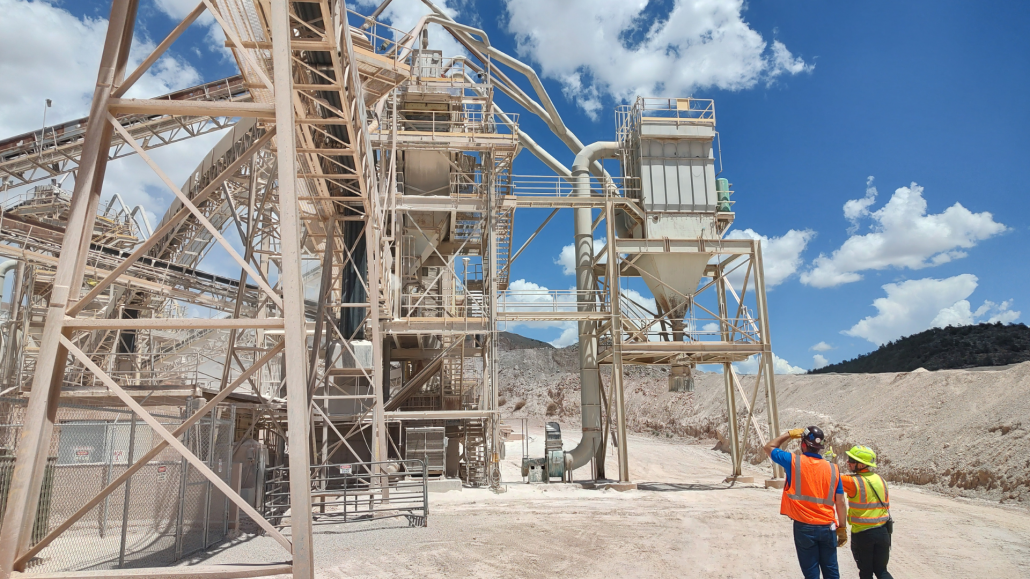
Una explosión en la instalación de reciclaje de aluminio de Novelis en Greensboro, Georgia, el 1 de marzo de 2026, está volviendo a llamar la atención sobre los peligros asociados con el polvo de metal combustible y la importancia de contar con sistemas de recolección de polvo debidamente diseñados. La explosión ocurrió en un colector de polvo, un sistema diseñado para capturar partículas finas de aluminio generadas durante las operaciones de reciclaje.
Los servicios de emergencia informaron que la explosión fue lo suficientemente poderosa como para escucharse a unas cinco millas de distancia, y los residentes de las zonas cercanas dijeron que la onda de choque provocó vibraciones perceptibles en sus hogares. La explosión dañó el colector y el equipo de procesamiento en la fase de enfriamiento, deteniendo temporalmente las operaciones en la instalación.
A pesar de la gravedad de la explosión, los procedimientos de emergencia de la planta funcionaron como se esperaba. Los 16 empleados presentes en la instalación fueron evacuados de forma segura y no se reportaron lesiones. Las autoridades locales realizaron monitoreo de la calidad del aire tras el incidente y determinaron que no había niveles peligrosos de óxido de aluminio ni de compuestos orgánicos volátiles en la comunidad circundante.
Como señaló un informe oficial, “el incendio en la planta de reciclaje de aluminio de Novelis en Greensboro demostró una coordinación eficaz de la respuesta ante emergencias y contención ambiental, lo que sugiere protocolos de seguridad sólidos a pesar de la ocurrencia de fallas en el equipo.” Tras la inspección y la limpieza, la instalación pudo reanudar operaciones en un plazo de cuatro días.
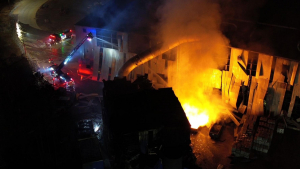
Una explosión que se oyó a millas dañó la planta de aluminio de Novelis en Greene County el 1 de marzo.
Las explosiones industriales de polvo suelen seguir un patrón predecible. Primero, las partículas combustibles se acumulan en colectores, conductos o silos. Si el polvo queda suspendido en el aire y encuentra una fuente de ignición, la combustión puede propagarse rápidamente a través de la nube de polvo. El estar confinado permite que la presión se acumule, resultando en una explosión que puede viajar a través de equipos conectados.
En el incidente de Greensboro, los investigadores creen que la explosión se originó en el colector de polvo. Factores como la acumulación de polvo, la acumulación de carga electrostática, fluctuaciones de temperatura y los intervalos de mantenimiento para la limpieza de filtros pueden contribuir a condiciones que aumentan el riesgo de explosión.
Aunque el incidente se contuvo sin lesiones, mostró el potencial destructivo del polvo combustible en instalaciones industriales.
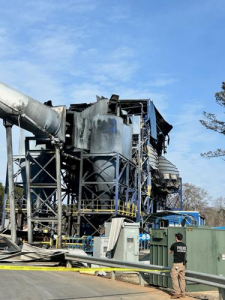
Una sección de la Planta de Aluminio de Novelis en el condado de Greene está acordonada con cinta policial tras verse dañada el 1 de marzo por una explosión.
Eventos como la explosión de Novelis sirven para recordar que los peligros del polvo combustible están presentes en muchas fábricas (desde el reciclaje de aluminio hasta la carpintería, procesamiento de alimentos, fabricación de productos químicos y metalúrgicas). Cuando los sistemas de colección de polvo no están debidamente diseñados, mantenidos o protegidos, fallas pequeñas pueden escalar rápidamente a incidentes graves.
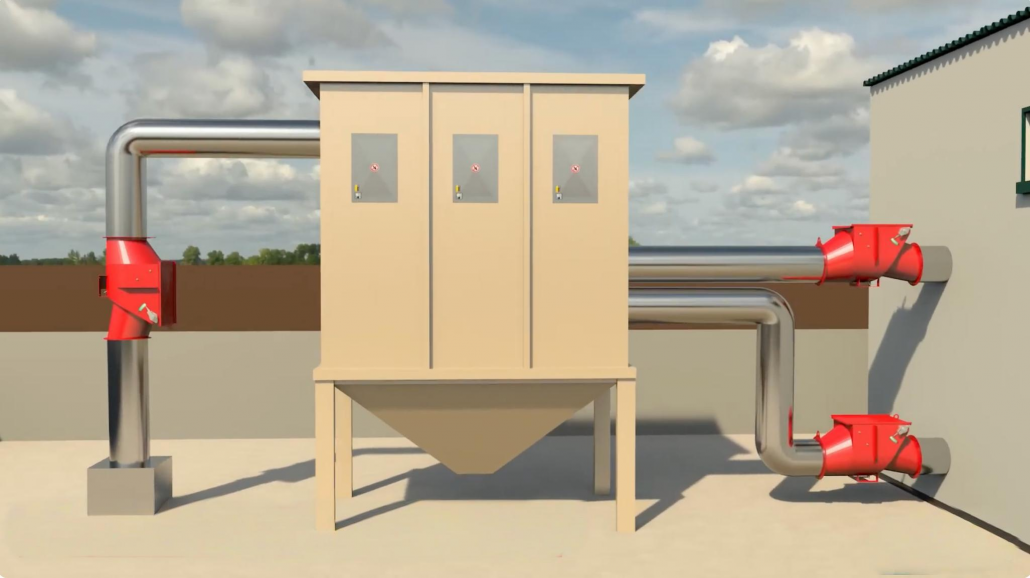
Las instalaciones deben evaluar sus procesos cuidadosamente, asegurarse de que los sistemas de colección de polvo cumplan con las normas de seguridad vigentes e implementar tecnologías de protección adecuadas. Estos pueden incluir sistemas de detección de chispas, válvulas de aislamiento de explosiones, ventilación de explosiones, sistemas de conexión a tierra y monitoreo en tiempo real de las condiciones de operación.

Experto en colectores de polvo, redactor técnico y editor en Baghouse.com
Andy Biancotti está convencido de que el conocimiento es una de las mejores inversiones para una empresa. Como Editor y Gerente de Marketing en Baghouse.com, disfruta entrevistar a ingenieros, técnicos y clientes para capturar las lecciones aprendidas en proyectos reales de control de polvo y convertirlas en recursos prácticos que ayuden a otros profesionales. Con más de dos décadas de experiencia en mantenimiento industrial, operaciones y comunicación técnica, su objetivo es simple: ayudar a las personas para que puedan operar de forma más segura, inteligente y eficiente.