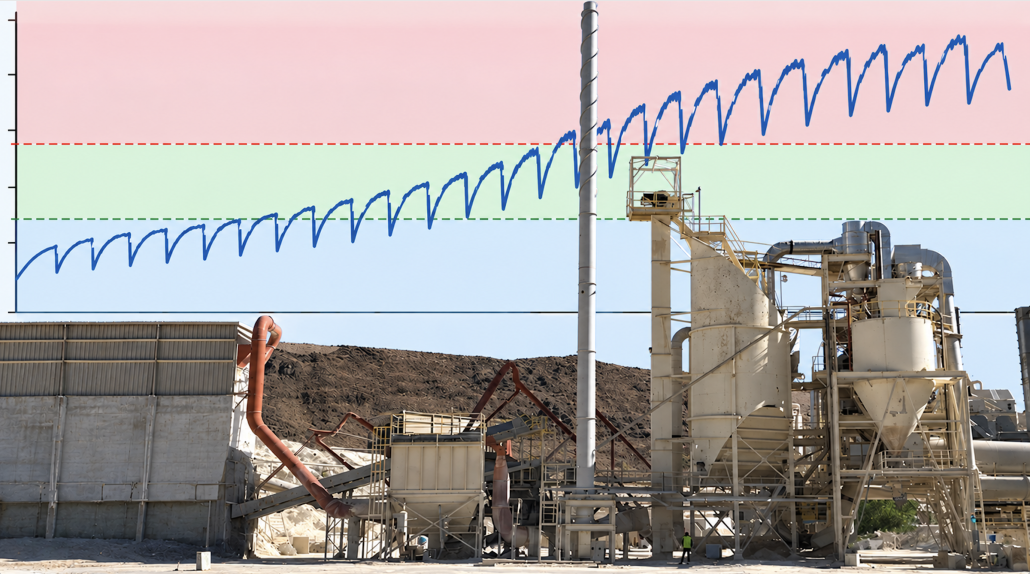

Baghouse variables such as air-to-cloth ratio, power consumption, fan capacity, installation footprint, bag material, cleaning cycle type, required bag life, etc., need to be considered when designing the system
1. Set Technical Standards
On medium to large jobs (say $1 million+), pay an A/E, or a trusted baghouse consultant, to write a spec setting minimum technical standards for air-to-cloth ratio, power consumption, fan capacity, installation footprint, bag material, cleaning cycle type, required bag life, etc., and spelling out exactly what NFPA/OSHA performance standards will have to be met. The installed equipment will actually have to pass a field test before the vendor gets the last 10% of his fee, or a performance bond will have to be posted by the vendor. This type of detailed spec will scare off 90% of the “corner cutters.” Then, pay a testing company to actually do the test.
2. Verify Vendor Experience

For smaller, low-cost projects, you can still ask each vendor for a contact list of their past customers who have installed their equipment for applications similar to yours in the last 3 to 5 years.
Again, this will eliminate any vendors who lack experience with your type of problem or who enjoy shafting their customers. Then, actually make the phone calls and talk to the plant engineer responsible for keeping the unit operating. You will be amazed at how much information you can get for free from both happy and unhappy past customers.
3. Compare Multiple Vendors

Instead of just contacting two or three vendors with your in-house preliminary spec, contact five or six, and ask for quick, ballpark, budgetary quotes. Within a few weeks, you will know which vendors are unrealistically below (or too high above) the “pack” to further bother with. Do this for 2 or 3 projects and you should get an excellent idea of which one or two vendors in your area are a trustworthy, economical fit for your operation, and you can just use them in the future.

4. Plan for Future Growth
When specifying your dust collection system, always consider your plant’s potential for future expansion. Systems that are undersized today will be even more problematic if your operations scale up. It’s a good idea to leave some room for increased airflow or additional filter capacity if your facility is expected to grow in the coming years.

Director of Operations | Dust Collection Specialist | Industrial Filtration Consultant
Dominick DalSanto is an author and environmental technologies expert specializing in dust collection systems. He has nearly a decade of hands-on working experience in the industry. Dominick is the sales director and sales technical advisor for an industrial dust collection equipment manufacturer. Personally took the lead on key projects each year from sales engineer to field advisor to project manager to business relations. Born in San Bernardino County, California, and raised in Chicago, he currently resides in Buenos Aires, Argentina.