
Joe Kastigar, Regional Sales Manager of Boss Products
Cada año, cientos de instalaciones industriales en Norteamérica siguen enfrentando el mismo desafío: el polvo combustible. Aunque muchas empresas son conscientes del riesgo de explosiones, entender cómo evaluar correctamente esos peligros y cómo protegerse de ellos es una tarea mucho más compleja.
Para ofrecer una perspectiva práctica, conversamos con Joe Kastigar, Gerente Regional de Ventas de Boss Products, cuya labor se centra en ayudar a instalaciones industriales a comprender e implementar soluciones prácticas de prevención y protección contra incendios y explosiones. En esta entrevista, Joe comparte los problemas más frecuentes que observa en el campo, algunos conceptos erróneos sobre la protección contra el polvo combustible y explica por qué siempre resulta mucho más económico prevenir que recuperarse después de un incidente.

An explosion typically begins when an ignition source enters the dust collector.
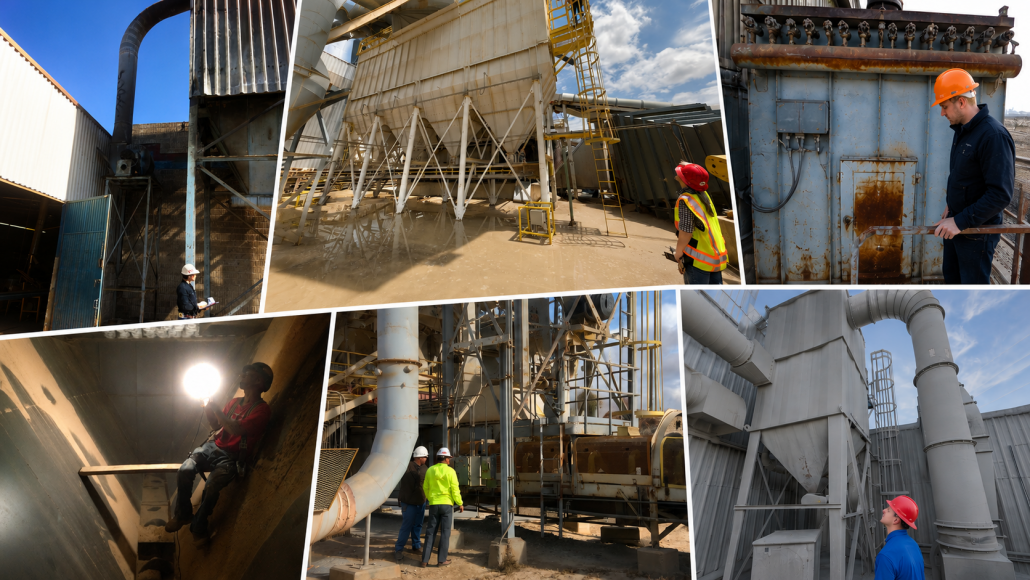
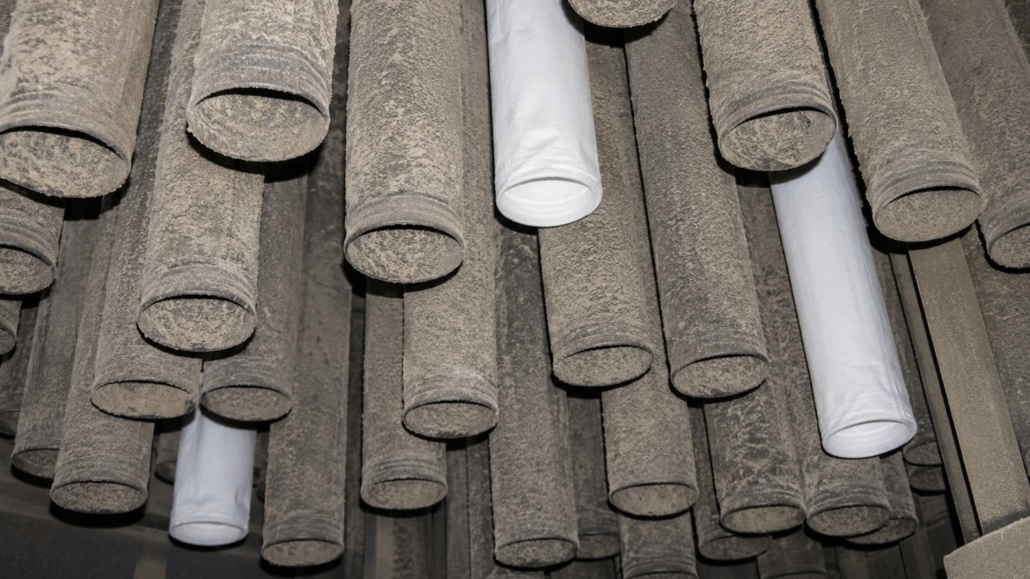
Joe: A veces la gente imagina que el colector de polvo "genera" una explosión por sí mismo. En realidad, no es así. Lo que ocurre es que el colector es precisamente uno de los lugares donde intencionalmente se concentra polvo combustible, se mantiene suspendido en el aire y circula constantemente oxígeno. Si una fuente de ignición ingresa al sistema, están las condiciones necesarias para que ocurra una explosión.
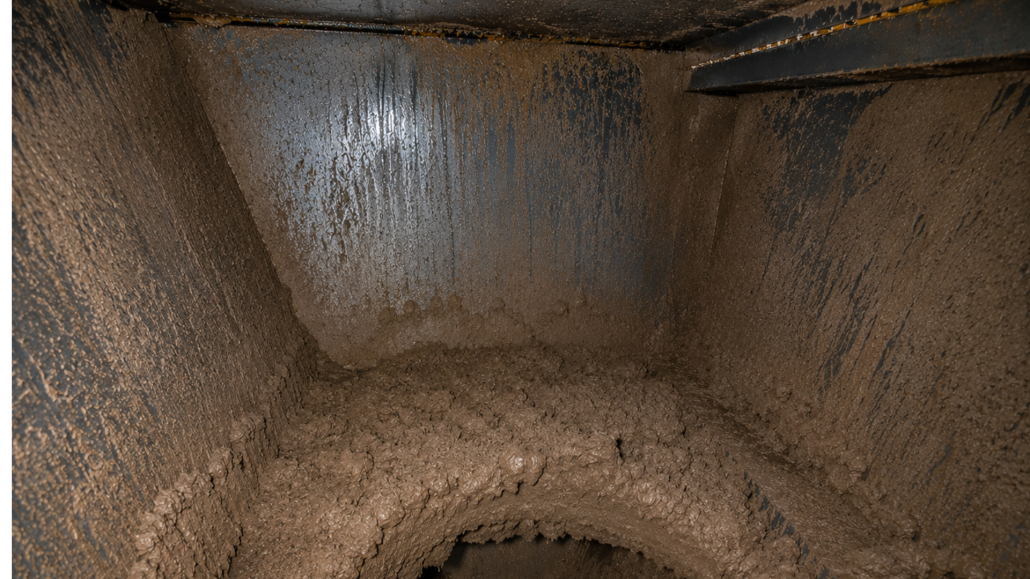
Las características del material tienen una enorme influencia: el tamaño de partícula, la concentración, el contenido de humedad, la composición química y las condiciones de operación determinan el nivel de riesgo.
Por ejemplo, una fábrica de muebles que procesa aserrín, enfrenta desafíos muy distintos a una operación de pulido de aluminio o a una planta de alimentos que manipula almidón o azúcar. Desde afuera, los colectores pueden parecer iguales, pero el perfil de riesgo puede ser completamente diferente.
Un error que vemos con cierta frecuencia es que algunas empresas asumen: "La planta vecina procesa polvo de madera y utiliza esta solución, así que nosotros haremos lo mismo". Esa puede ser una decisión muy peligrosa. Cada instalación debe comprender las características específicas del polvo que genera.
 Joe: Las inspecciones periódicas, el mantenimiento preventivo, la capacitación del personal y el seguimiento de los cambios en el proceso son algunas de las inversiones con mayor retorno que una planta puede hacer.
Las fugas de aire aparecen lentamente. Las válvulas rotativas se desgastan de forma gradual. La presión diferencial comienza a aumentar poco a poco durante meses. Las válvulas de pulso van perdiendo eficiencia progresivamente. Si nadie monitorea esas tendencias, el sistema se va alejando de sus condiciones óptimas hasta que, finalmente, alguien detecta polvo visible, problemas de producción o, peor aún, ocurre un incidente.
Las plantas que mantienen un buen desempeño suelen ser aquellas cuyos equipos de mantenimiento entienden perfectamente lo que su sistema de control de polvo les está indicando mucho antes de que aparezca una crisis.
Joe: Claro. En esencia, el venteo de explosiones consiste en darle a la explosión un lugar seguro hacia donde liberar la presión.
Si la presión se acumula dentro de un colector de polvo o de un recipiente de proceso sin una vía de escape, el resultado puede ser una falla estructural catastrófica. Un panel de venteo correctamente diseñado está pensado para liberar esa presión de manera controlada, reduciendo los daños al equipo y, lo más importante, ayudando a proteger a las personas que se encuentran cerca.

Un sistema de colección de polvo correctamente diseñado, operado y mantenido es la mejor defensa contra los riesgos del polvo combustible en tu planta.
Algo que siempre recalco es que el venteo de explosiones no es una solución universal. He recorrido instalaciones donde alguien asumió que bastaba con instalar un panel de venteo en cualquier parte del colector para estar protegido. Bueno... no funciona así. El tamaño del panel, su ubicación, la dirección de descarga y el entorno que lo rodea deben ser diseñados específicamente para cada instalación.
Cuando hablamos de colectores de bolsas o mangas, colectores de cartuchos, ciclones y otros equipos de proceso, cada uno debe evaluarse de acuerdo con sus propias condiciones de operación y los riesgos específicos que presenta.
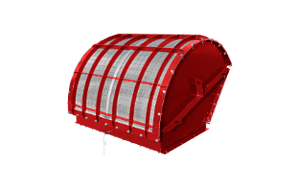 Joe: Ahí es precisamente donde el venteo sin llama se convierte en una excelente alternativa. Los paneles de venteo convencionales normalmente requieren una zona segura en el exterior, ya que liberan tanto la presión como la llama generada por la explosión. Sin embargo, en muchas instalaciones eso simplemente no es posible. Puede haber personal trabajando cerca, equipos adyacentes o una distribución del edificio que no permita una trayectoria de descarga segura.
Los sistemas de venteo sin llama están diseñados para aliviar la presión de la explosión mientras ayudan a contener y enfriar la llama antes de que salga del dispositivo. Esto reduce considerablemente el riesgo de incendios secundarios y hace posible proteger instalaciones donde el venteo convencional sería difícil o incluso imposible.
He visto casos en los que trasladar un colector de polvo al exterior habría requerido importantes modificaciones estructurales con costos de cientos de miles de dólares. En varias de esas situaciones, un sistema de venteo sin llama correctamente diseñado ofreció una solución práctica que cumplía con los objetivos de protección de la planta.
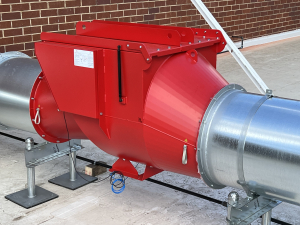
Válvula de aislamiento para explosiones
Joe: Porque las explosiones rara vez permanecen en el lugar donde se originan. A veces las personas ven al colector de polvo como un equipo independiente, cuando en realidad está conectado a toda una red de ductos, transportadores, tolvas, ciclones y otros equipos de proceso. Sin un sistema de aislamiento, las ondas de presión y los frentes de llama pueden desplazarse por esos ductos e involucrar otras áreas de la planta.
Por eso siempre recomendamos que las instalaciones dejen de pensar únicamente en proteger un colector y comiencen a evaluar todo el sistema de transporte y control de polvo como un único proceso integrado.
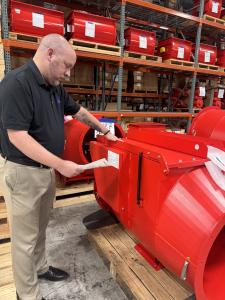 Joe: Con mucha más frecuencia de la que muchas empresas imaginan. No basta con instalar equipos de protección contra explosiones por polvo combustible y asumir que seguirán funcionando correctamente para siempre. Los paneles de venteo, los dispositivos de aislamiento, los sistemas de detección de chispas, los sensores y los equipos de supresión deben inspeccionarse y mantenerse de acuerdo con las recomendaciones del fabricante y el programa de mantenimiento de cada planta.
Hemos visto casos en los que equipos de seguridad perfectamente funcionales dejaron de ser efectivos simplemente porque no habían sido inspeccionados durante años.

Experto en colectores de polvo, redactor técnico y editor en Baghouse.com
Andy Biancotti está convencido de que el conocimiento es una de las mejores inversiones para una empresa. Como Editor y Gerente de Marketing en Baghouse.com, disfruta entrevistar a ingenieros, técnicos y clientes para capturar las lecciones aprendidas en proyectos reales de control de polvo y convertirlas en recursos prácticos que ayuden a otros profesionales. Con más de dos décadas de experiencia en mantenimiento industrial, operaciones y comunicación técnica, su objetivo es simple: ayudar a las personas para que puedan operar de forma más segura, inteligente y eficiente.