¿Qué se necesita para construir un sistema de colección de polvo que funcione de manera confiable desde el primer día y se mantenga así a largo plazo?
Este estudio de caso analiza cómo la colaboración temprana entre Wonderful Foods y Baghouse.com, junto con un diseño de ingeniería especializado y una instalación cuidadosa, se unieron para dar soporte a una exigente industria de procesamiento de alimentos.
Antecedentes
La compañía Wonderful Pistachios and Almonds es conocida como el “mayor productor y procesador de almendras y pistachos del mundo” …¡Y nosotros podemos confirmarlo! La instalación de Lost Hills es el principal sitio de procesamiento de la empresa, donde se encuentra su planta de procesamiento de pistachos y almendras.
La marca Wonderful Pistachios tiene amplia distribución en todo Estados Unidos y es común encontrarla en supermercados, aeropuertos y puntos de venta en todo el país. Para apoyar su crecimiento continuo, la empresa invirtió en una nueva planta de procesamiento de pistachos en Lost Hills, California.
As with many large-scale food processing operations, the expansion introduced significant dust control challenges. Matt Coughlin, Owner of Baghouse says: “El procesamiento de pistachos genera grandes volúmenes de polvo orgánico fino que puede convertirse rápidamente en un problema de calidad del aire interior y en un riesgo de polvo combustible si no se maneja adecuadamente”.
Wonderful Foods contrató a Baghouse.com desde una etapa temprana del proyecto para diseñar un sistema de colección de polvo que pudiera crecer junto con la producción, al mismo tiempo que cumpliera con los requisitos de seguridad, operación y mantenimiento.
"Mi experiencia trabajando con Baghouse.com fue muy buena. El diseño fue excelente, realmente bien hecho. La instalación también fue buena. Fue muy fácil trabajar con Matt y Dominick, desde el diseño hasta la instalación final."
Alcance del proyecto
El alcance del proyecto cubrió el diseño completo, suministro e instalación de un sistema centralizado de colección de polvo para aproximadamente 25 máquinas de proceso, incluyendo aspiradores y mezcladoras, distribuidas en toda la instalación.
En total, el sistema consistió en tres colectores de polvo de aire reverso con válvula de brazo rotatorio (también llamados en algunos casos reverse jet). Este estilo de colector de polvo suele ser una buena opción para aplicaciones con nueces y granos, ya que es más fácil desprender y remover el polvo de los filtros, y este método de limpieza es más suave con los filtros. También resulta un poco más económico operar un ventilador para soplar aire inverso a los filtros que mantener un compresor de aire como en un sistema de limpieza pulse-jet. Los colectores pulse-jet también podrían usarse en esta aplicación, pero Wonderful decidió optar por un colector de aire reverso, ya que tenían muchos más de estos colectores en la planta y se sentían cómodos usando esta tecnología.
También instalamos ventiladores del sistema montados a nivel de piso, equipos de seguridad para polvo combustible y un sistema de ductos completamente diseñado a la medida del proceso, proporcionando una capacidad total de flujo de aire de aproximadamente 170,000 CFM. Baghouse.com también suministró una unidad de reposición de aire de 51,000 CFM para mantener presión neutral dentro de la planta de procesamiento.
Desafíos
• Gran envergadura del proyecto
• Varias decenas de máquinas de proceso que requerían múltiples puntos de absorción
• El cliente nos pidió conectar todas estas máquinas de proceso con ductos personalizados. Sin embargo, durante el desarrollo del proyecto, la ubicación de estas máquinas cambió varias veces, lo que nos obligó a reconfigurar por completo el diseño de los ductos cuando el proyecto ya estaba en marcha.
• Después de que se finalizó el diseño de ductos, estos se enviaron al sitio y, al enterarnos de la nueva distribución completa del equipo, tuvimos que adaptar los ductos al nuevo diseño reutilizando cada pieza de ducto y minimizando la cantidad de ductos nuevos que necesitaban fabricarse. Coordinando con nuestro equipo de instalación, pudimos cambiar por completo la disposición de los ductos y conectar las máquinas en su nueva ubicación sin desperdiciar ninguna pieza de ducto.
• Un reto adicional fue trabajar junto con otros contratistas, oficios y proveedores de equipo. El cliente estaba construyendo una nueva instalación, instalando equipo y servicios nuevos, y esto nos obligó a coordinar tareas con más de una docena de oficios, proveedores de servicios y fabricantes para que todos pudieran trabajar sin obstrucciones y aun así cumplir con la fecha límite del proyecto.
• La línea de tiempo del proyecto se extendió aproximadamente un año desde la orden de compra hasta la instalación final, principalmente debido al calendario de construcción del cliente y a las distintas fases del proyecto.
Solución
Además de los tres colectores de polvo de aire reverso con brazo rotatorio y los ventiladores montados a nivel de piso, sabíamos que, dada la naturaleza combustible de las cáscaras de pistacho, era necesario incluir en el diseño un equipo para polvo combustible. Diseñamos el sistema con equipo de seguridad para polvo combustible conforme a la NFPA, incluyendo válvulas de aislamiento contra explosión y paneles de venteo de explosión. Estos elementos se incorporaron al diseño desde el inicio, en lugar de agregarse después, lo que permitió que el sistema cumpliera con las expectativas de seguridad sin comprometer el desempeño.
Para mantener un flujo de aire adecuado y el balance del edificio, se instaló una unidad de reposición de aire de 51,000 CFM en el Edificio 1 para contribuir a una ventilación adecuada y al buen desempeño del sistema. Esto aseguró que el aire removido por los colectores de polvo fuera reemplazado de manera controlada, conservando la eficiencia de captación en las campanas y evitando infiltración no controlada
El sistema de ductos fue diseñado para mantener velocidades de transporte adecuadas.
Desafíos durante la instalación
Como la mayoría de los proyectos de una construcción nueva, este también tuvo una buena cantidad de retos de coordinación. Varios oficios estaban trabajando con calendarios muy ajustados, lo que significó que la instalación requería mucha atención para mantenerse en curso y también flexibilidad de nuestra parte. Mantener el trabajo en campo alineado con el diseño de ductos fue especialmente importante para evitar restricciones innecesarias, transiciones bruscas o fugas de aire que pudieran afectar el desempeño general del sistema.
Los retos adicionales incluyeron el diseño e instalación de múltiples válvulas de entrada personalizadas y ductos para varias conexiones únicas de máquinas que no formaban parte del diseño original del equipo. En algunas áreas, los ductos tuvieron que volver a rutearse para adaptarse a estructuras de soporte del edificio que eran diferentes a los planos iniciales de construcción. La estrecha coordinación entre el equipo de instalación, ingeniería y el cliente permitió resolver estos retos sin afectar el desempeño del sistema ni los tiempos del proyecto.
"Ahora que el proyecto está terminado, el sistema funciona de maravilla. Esta instalación aumentó considerablemente la capacidad de producción. Todavía hay algunos detalles que estamos resolviendo, pero estamos trabajando activamente para solucionarlos. Debido a nuestra ubicación en una zona muy remota, coordinar el soporte y la asistencia in situ a veces resultaba complicado. Para nuestro próximo proyecto, nos gustaría que esta coordinación fuera más fluida. Sin duda, recomiendo trabajar con Baghouse.com".
Resultados y conclusión
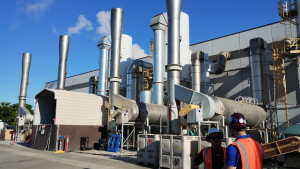
Una vez puesto en marcha, el sistema de colección de polvo funcionó como se esperaba. Los niveles de polvo suspendido en el aire se controlaron de manera efectiva en toda la instalación y el sistema pudo operar de manera continua sin requerir intervención manual excesiva ni ciclos de limpieza agresivos. Se redujeron las necesidades de mantenimiento y el sistema se convirtió en una parte estable y confiable del proceso de producción.
Dominick Dal Santo, Baghouse expert involved in this project said: “Este proyecto fue un gran ejemplo de por qué la colección de polvo y la seguridad realmente deben tratarse como un solo sistema completo… especialmente en el procesamiento de alimentos, donde los riesgos de polvo combustible son bastante comunes. Al involucrarnos desde una etapa temprana del proyecto, Wonderful Foods terminó con un sistema de colección de polvo que no solo apoya su expansión, sino que está construido para operar de manera confiable y segura a largo plazo”.
En resumen, las cosas que funcionaron bien en este proyecto fueron:
‣ El cliente participó desde una etapa temprana en el proceso de diseño
‣ El cliente entendía lo que necesitaba
‣ Suministramos todo hasta el fin del proyecto
‣ Fuimos flexibles y adaptables para hacer ajustes conforme el proyecto cambiaba o avanzaba
‣ Diseñamos un sistema con capacidad adicional, dando margen al cliente para adaptarlo conforme cambian sus necesidades y procesos.
Director of Operations | Dust Collection Specialist | Industrial Filtration Consultant
Dominick DalSanto is an author and environmental technologies expert specializing in dust collection systems. He has nearly a decade of hands-on working experience in the industry. Dominick is the sales director and sales technical advisor for an industrial dust collection equipment manufacturer. Personally took the lead on key projects each year from sales engineer to field advisor to project manager to business relations. Born in San Bernardino County, California, and raised in Chicago, he currently resides in Buenos Aires, Argentina.



 As with many large-scale food processing operations, the expansion introduced significant dust control challenges. Matt Coughlin, Owner of Baghouse says: “El procesamiento de pistachos genera grandes volúmenes de polvo orgánico fino que puede convertirse rápidamente en un problema de calidad del aire interior y en un riesgo de polvo combustible si no se maneja adecuadamente”.
 Una vez puesto en marcha, el sistema de colección de polvo funcionó como se esperaba. Los niveles de polvo suspendido en el aire se controlaron de manera efectiva en toda la instalación y el sistema pudo operar de manera continua sin requerir intervención manual excesiva ni ciclos de limpieza agresivos. Se redujeron las necesidades de mantenimiento y el sistema se convirtió en una parte estable y confiable del proceso de producción.